For people who have a fear of heart attacks, one of the most frightening experiences can be a sudden increase in heartbeat while sitting quietly. There may be no exercise, obvious stress or immediate danger, yet the heart suddenly seems to beat faster or harder.
This often leads to the question: “Why is my heartbeat increasing when there is no reason?”
There are several possible explanations. Not every sudden change in heart rate means that something is wrong with the heart.
1. Autonomic Nervous System Fluctuations
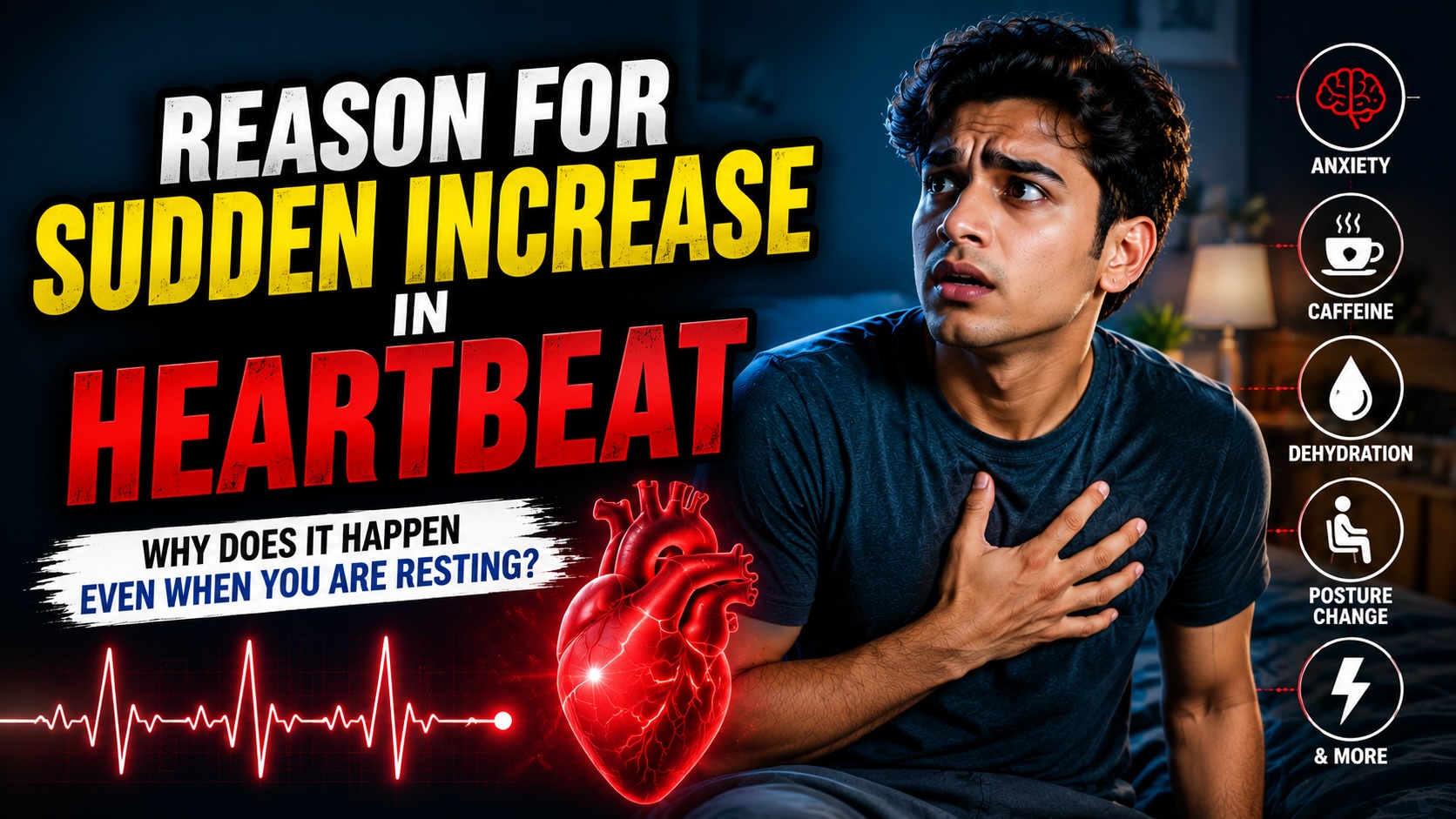
Your autonomic nervous system continuously regulates heart rate, breathing, blood pressure and other automatic functions. Heart rate can naturally fluctuate even when you are sitting or resting.
People with anxiety may become hyperaware of these normal bodily changes. A small increase that another person would not notice can suddenly become very noticeable to someone with cardiophobia.
This can make the reason for sudden increase in heartbeat feel mysterious and frightening, even when the change is temporary.
2. The Brain Can Detect Threat Before You Feel Fear
Sometimes the body can show a stress response before we consciously identify a fearful thought. The brain constantly evaluates internal and external information for possible threats.
This does not mean that every unexplained heartbeat increase comes from a hidden trauma or a subconscious problem. However, previous frightening experiences, learned associations and unresolved emotional stress can sometimes make a person more sensitive to particular bodily sensations.
For someone with cardiophobia, the sensation of a faster heartbeat itself can become associated with danger.
3. Existing Stress and Anxiety
A person may already have a higher level of physiological arousal because of ongoing stress, poor sleep, emotional tension or anxiety.
In such situations, a small additional trigger can produce a noticeable increase in heart rate. The person may not consciously feel anxious at that exact moment, but the body can still show signs of arousal.
4. Caffeine, Nicotine, Alcohol and Other Stimulants
Coffee and other caffeinated drinks, nicotine, alcohol, some recreational drugs and certain medicines can affect heart rate in some people.
Dehydration can also contribute to palpitations or changes in heart rate. Therefore, when investigating the reason for sudden increase in heartbeat, it is useful to consider recent food, drinks, substances, medications, sleep and hydration.
5. Posture and Breathing Changes
Standing up suddenly can temporarily change cardiovascular responses. Changes in breathing can also influence heart rate.
Some people unconsciously hold their breath when concentrating, worrying or suppressing emotions. This can alter bodily sensations and make the heartbeat feel more prominent.
Why Does This Become Cardiophobia?
The important psychological problem often begins after the heartbeat changes.
Heartbeat increases → “Something is wrong” → Fear → Adrenaline → Heartbeat increases further → More fear
Now the person may interpret the second increase in heartbeat as proof that the original fear was correct.
Understanding this cycle can reduce the fear surrounding normal bodily sensations and help a person respond differently to them.
Don’t Ignore Genuine Medical Symptoms
Although anxiety can cause or amplify palpitations, not every episode of a rapid heartbeat is psychological. Persistent, recurrent or unexplained palpitations deserve appropriate medical evaluation, particularly when they occur with chest pain, fainting, severe breathlessness or other concerning symptoms.
Once medical causes have been appropriately assessed, psychological treatment can focus on the fear, hypervigilance and catastrophic interpretation that maintain cardiophobia.
The goal is not to fear every change in your heartbeat. It is to understand your body’s signals without automatically interpreting every sensation as a catastrophe.
If heartbeat increasing anxiety has become a repeated pattern in your life, addressing the fear cycle can be an important step towards recovery.