What Is Stress?
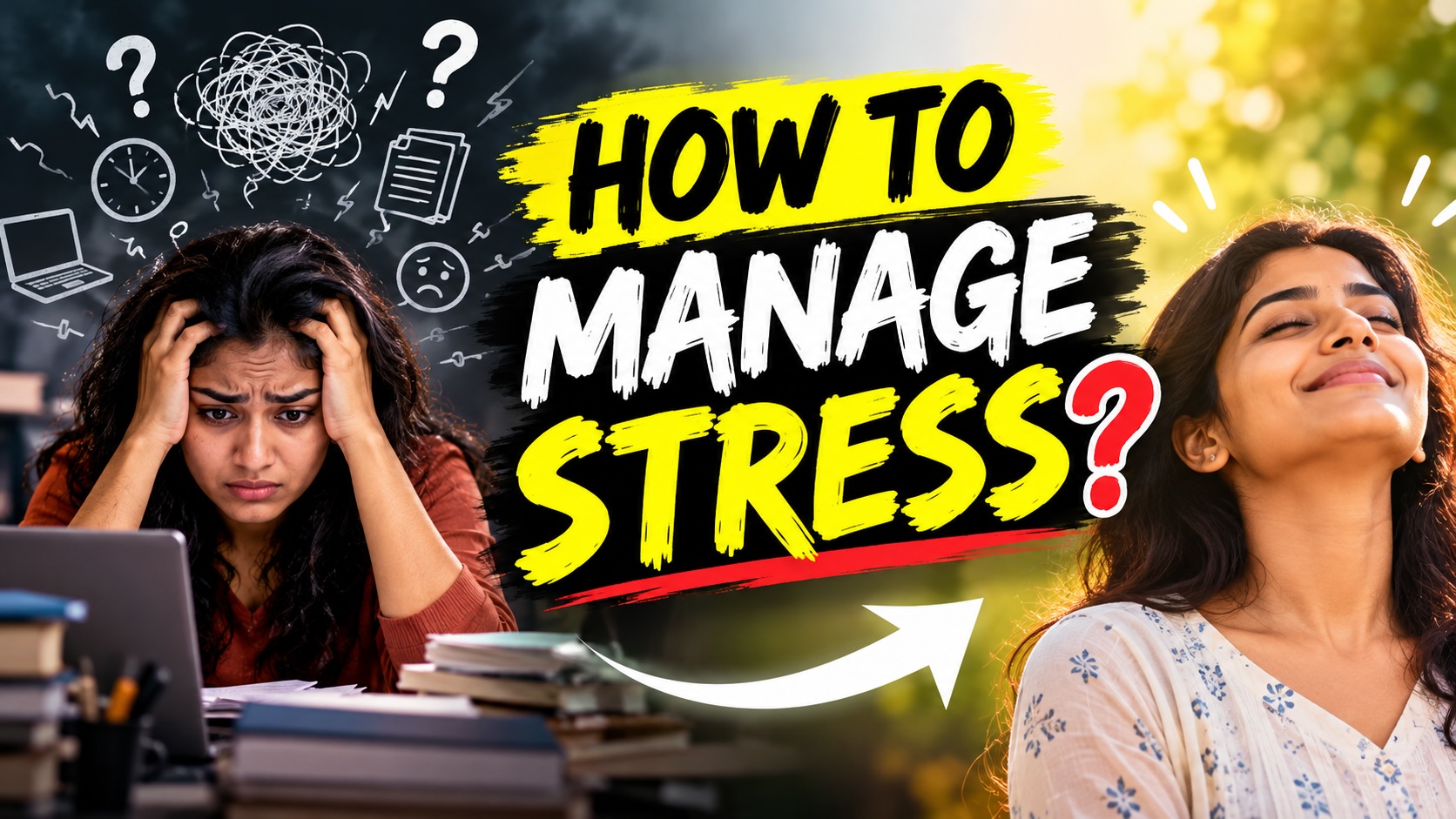
Stress is the psychological and physiological response that occurs when we perceive a situation as demanding, threatening or difficult to manage. Our thoughts, emotions and perception of our ability to cope all influence this response.
For a practical understanding, consider a person who fears road accidents while driving a car. They may repeatedly think, “What if I hit another vehicle?”, “What if there is a traffic jam?”, “What if other drivers shout at me?” or “What if I receive a traffic fine?”
Each thought can trigger fear, embarrassment or confusion. As these emotional responses accumulate, driving may become an overwhelming experience. Learning how to manage stress begins with understanding these emotional reactions.
Why Does the Same Situation Cause Different Levels of Stress?
Imagine another person who enjoys driving. They feel confident behind the wheel and experience excitement rather than excessive fear.
Both individuals perform the same activity, but their emotional experiences differ. Their previous experiences, skills, expectations, beliefs and perceived ability to cope influence how they respond.
This example highlights an important point: stress does not depend only on the situation; it also depends on how we perceive and respond to it.
However, stress is not simply an accumulation of negative emotions. Even a single intense event can trigger a stress response, and physiological factors also influence how we experience stress.
How to Manage Stress in Daily Life
Learning how to manage stress requires more than temporarily avoiding uncomfortable situations. We need practical coping skills and healthier responses to challenging experiences.
1. Identify Your Emotional Triggers
Notice which situations trigger fear, shame, frustration or helplessness. Identify the thoughts associated with these emotions. Understanding your triggers helps you recognise the situations in which you may need additional support or coping strategies.
2. Challenge Unhelpful Thinking Patterns
Ask yourself whether your thoughts reflect facts, assumptions or worst-case scenarios. For example, replace “I will definitely fail” with “I have not prepared enough yet, but I can improve my preparation.”
This approach can reduce unnecessary worry and help you focus on realistic solutions.
3. Build Your Coping Skills
Break challenging tasks into smaller steps. Practise relaxation techniques, maintain regular physical activity, get adequate sleep and seek support when necessary.
Repeated practice can help you respond more effectively to familiar challenges and build confidence over time.
Can Hypnotherapy and Self-Hypnosis Help Manage Stress?
Hypnotherapy and self-hypnosis may help some people develop relaxation skills, manage emotional responses and work with unhelpful thought patterns. However, results vary, and these approaches should not replace appropriate medical or psychological care when needed.
The aim is not to eliminate every negative emotion. Fear, frustration and uncertainty are normal human experiences. Instead, develop the ability to experience these emotions without allowing them to overwhelm your daily functioning.
Conclusion
Modern life presents many challenges that we cannot completely avoid. Learning how to manage stress involves understanding our emotional responses, developing practical coping skills and gradually building confidence in our ability to handle difficult situations.
Just as physical exercise strengthens muscles, consistent psychological practice can strengthen coping skills. If stress becomes persistent, severe or interferes with daily life, consider seeking help from a qualified mental health professional.