What Is the Link Between Anxiety and Sadness?
These two emotions often go hand in hand, creating a cycle that feels impossible to escape. While anxiety keeps the mind racing with worries about the future, sadness pulls you down by focusing on the pain of the past or present. Both emotions share a common root — an overworked nervous system that’s stuck between fear and fatigue. Understanding this link is the first step toward healing.
How Anxiety Turns Into Sadness
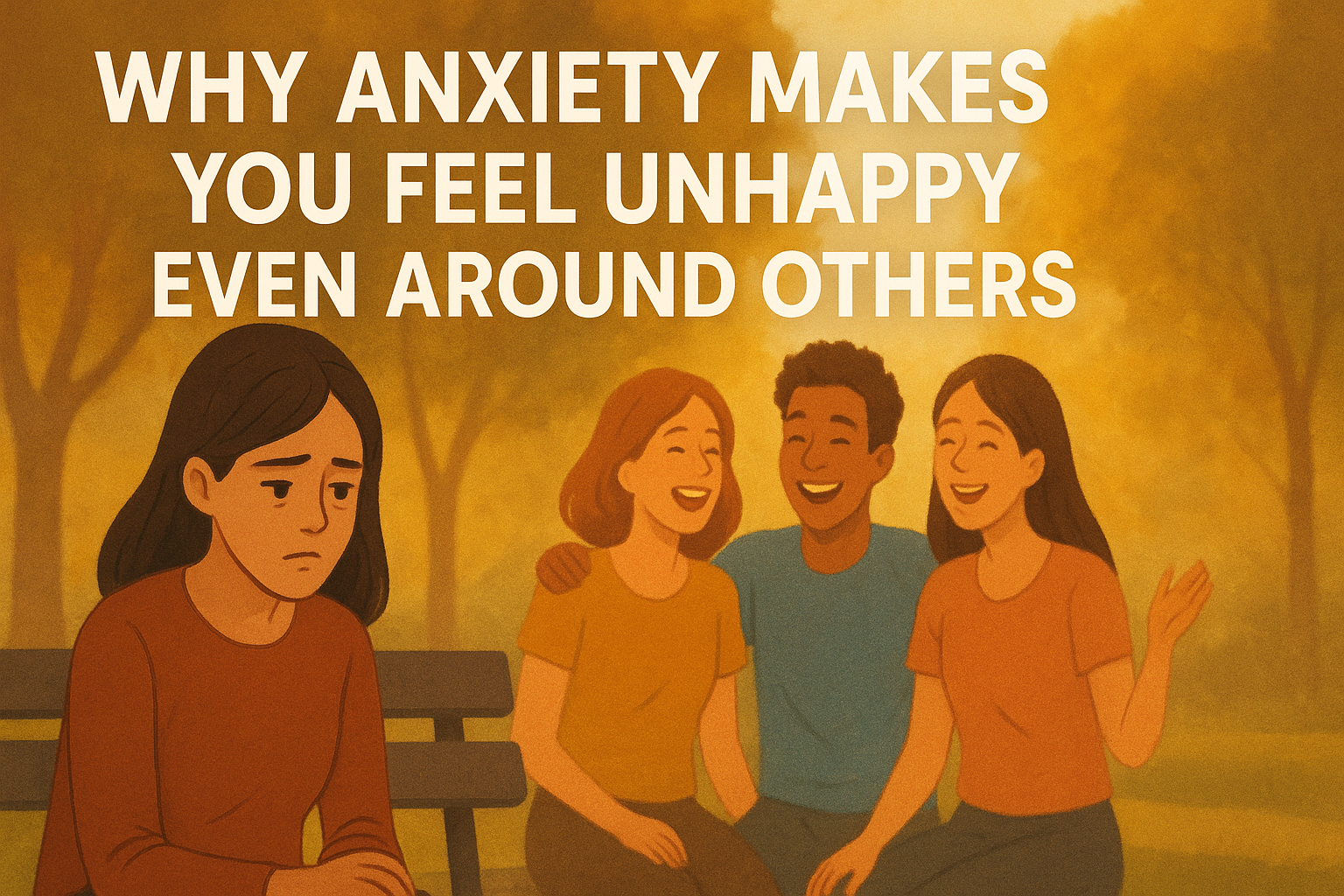
When you live in constant anxiety, your body stays in a high-alert state for too long. Over time, this leads to emotional burnout. The mind that was once full of fearful thoughts becomes too tired to react — and this exhaustion often shows up as sadness or emptiness.
In simple terms, sadness is anxiety after your mind has run out of energy.
The same chemicals (like cortisol and adrenaline) that cause anxiety also drain serotonin and dopamine, which are responsible for happiness and motivation.
How This Affects Daily Life
Anxiety and sadness together can make even small tasks feel overwhelming. You may wake up feeling heavy, unmotivated, or emotionally numb. Relationships may start to feel distant because your brain is too focused on survival, not connection. Over time, this cycle can affect your confidence, health, and overall outlook on life.
Breaking the Cycle
1. Calm the Body Before the Mind
Start by relaxing your physical state — through slow breathing, mindful stretching, or grounding techniques. When the body feels safe, the mind naturally begins to quiet down.
2. Stop Resisting the Emotion
Instead of fighting anxiety or sadness, acknowledge them:
“I am feeling anxious and sad — and that’s okay for now.”
Acceptance removes the hidden tension that keeps these emotions alive.
3. Reconnect with Small Joys
Do one gentle, sensory activity daily — listen to music, step into sunlight, or play with a pet. Small moments of comfort retrain your brain to feel pleasure again.
4. Heal the Root Cause
Long-term healing comes from addressing the subconscious beliefs that keep you in fear or hopelessness. Therapeutic methods like hypnotherapy or emotional release can help reprogram these patterns.
Final Thought
These are not signs of weakness — they are signs of overload. When you help your body feel safe again, happiness becomes natural, not forced.