
What Is COVID-19 Psychosis?
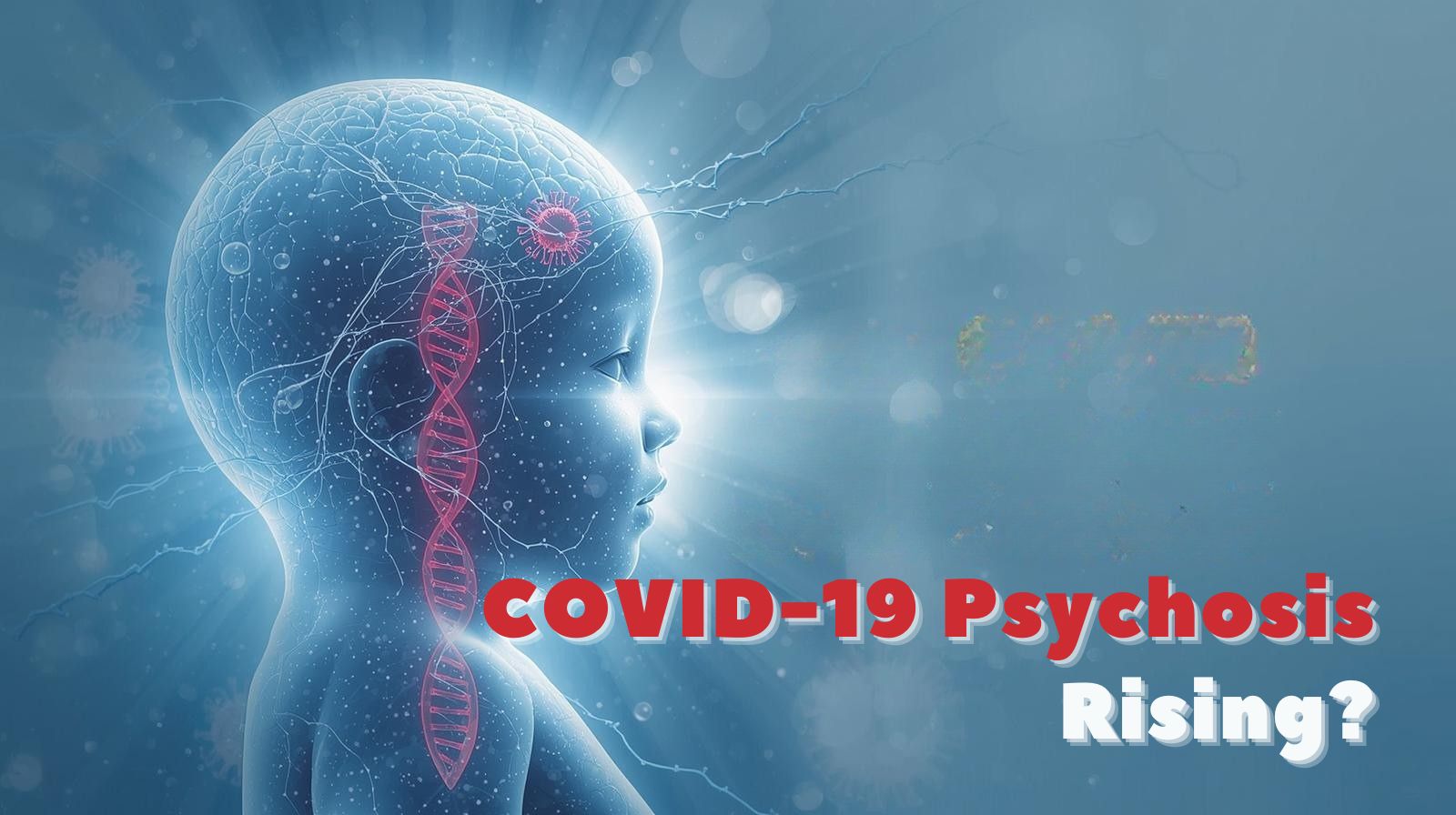
COVID-19 psychosis describes new onset psychotic symptoms — like hallucinations, delusions, paranoia, or disorganized thinking — that emerge during or following a SARS-CoV-2 infection. These symptoms can appear even in individuals without prior psychiatric history.
Evidence from Case Reports
Several documented cases show patients developing psychotic symptoms days to weeks after a COVID infection. For example:
-
A middle-aged person developed psychosis soon after recovering from COVID pneumonia. PMC
-
A previously healthy 26-year-old woman presented with severe delusions after a mild COVID case. ScienceDirect
-
An adolescent (16 years old) showed acute psychosis following SARS-CoV-2 infection. publications.aap.org
A retrospective cohort of over 236,000 COVID patients found an increased risk for first psychiatric diagnoses in the six months following infection, including psychotic disorders. PMC
How Might COVID-19 Trigger Psychosis?
Researchers propose multiple, possibly overlapping mechanisms:
-
Neuroinflammation & immune over activation: The virus may provoke inflammation in the brain, and a “cytokine storm” can disrupt neurotransmitter balance.
-
Blood–brain barrier disruption: Viral or immune effects might weaken the barrier protecting the brain, allowing harmful molecules to enter.
-
Steroid or medication side effects: Treatments used in severe COVID (like corticosteroids) have been associated with psychotic episodes in rare cases.
-
Psychosocial stressors: Isolation, fear, grief, and extreme stress during illness may precipitate psychiatric decompensation in vulnerable individuals.
Recognizing the Signs
Watch for sudden onset of:
-
Hearing or seeing things that others don’t
-
Paranoid beliefs or excessive distrust
-
Disorganized speech or thought
-
Emotional withdrawal or extreme mood swings
Onset often occurs about two weeks after fever or respiratory symptoms have resolved.
Treatment & Prognosis
Most documented cases respond well to psychiatric care: antipsychotic medications, psychotherapy, and supportive care.
Because this phenomenon is relatively rare and still under investigation, clinicians are urged to rule out other causes (metabolic, neurologic, substance use) before attributing symptoms to “COVID-19 psychosis.”