
Schizophrenia is a complex mental health disorder that affects how a person thinks, feels, and behaves. It often blurs the line between imagination and reality, leading to confusion, fear, and emotional imbalance. Recognizing schizophrenia symptoms early can help in providing timely treatment and better outcomes.
What Is Schizophrenia?
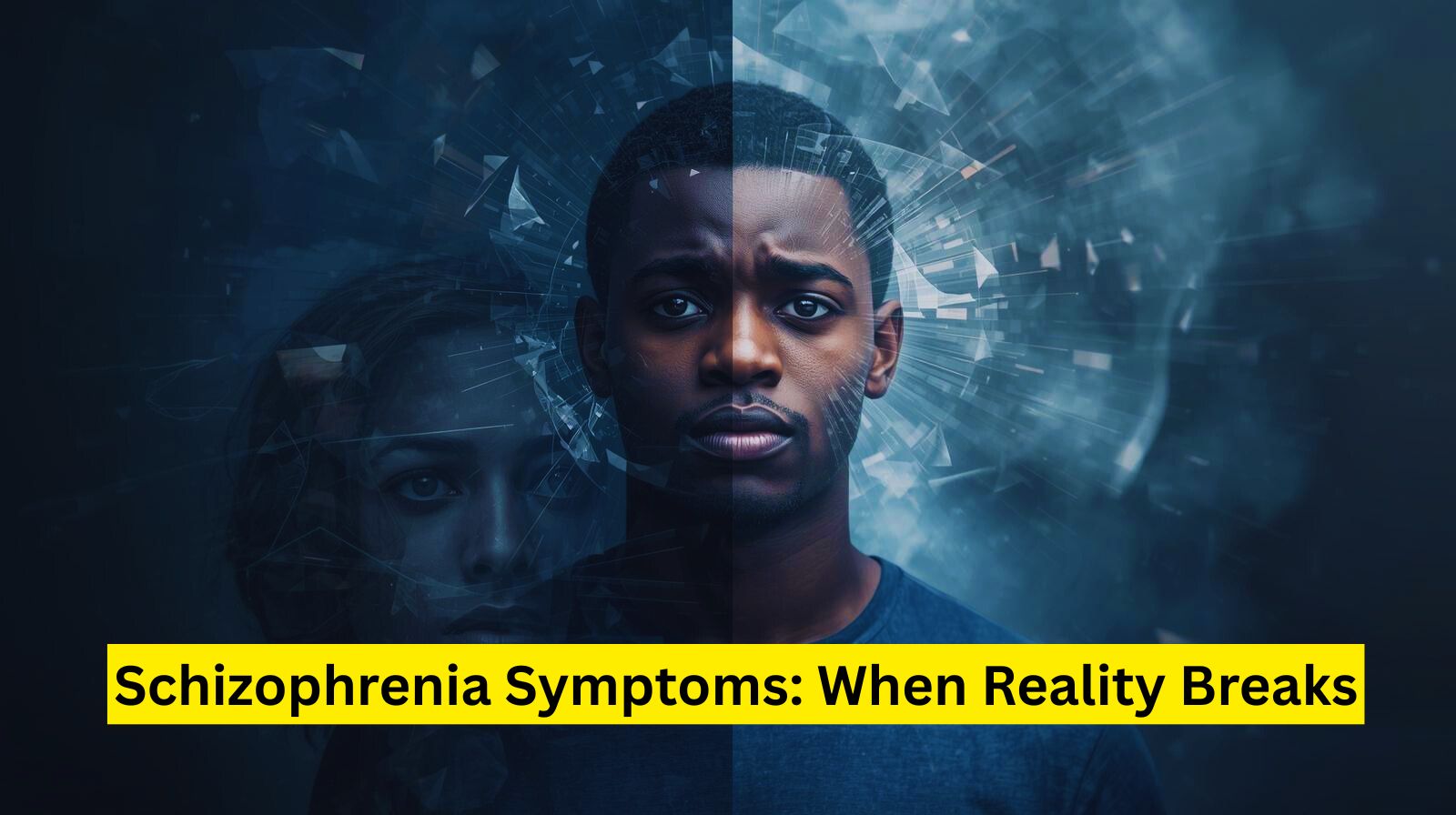
Schizophrenia is a severe psychiatric condition where the brain struggles to differentiate between what’s real and what’s imagined. It is not a split personality but rather a distortion in perception and thinking patterns. People with this condition often experience hallucinations, delusions, and disorganized behavior, which make daily functioning difficult.
Common Schizophrenia Symptoms
The symptoms of schizophrenia are divided into three categories: positive, negative, and cognitive symptoms. Each category affects the person’s ability to connect with reality and others.
Positive Symptoms
Positive symptoms are behaviors or thoughts that are added to a person’s normal experience. They include:
-
Hallucinations: Hearing or seeing things that don’t exist.
-
Delusions: Strong false beliefs such as thinking someone is controlling their thoughts.
-
Disorganized speech: Jumping from one topic to another, making communication confusing.
-
Erratic behavior: Acting in unpredictable or inappropriate ways.
Negative Symptoms
Negative symptoms reflect a loss of normal emotional and social functions. These include:
-
Emotional flatness: Lack of facial expression or tone of voice.
-
Low motivation: Difficulty starting or finishing tasks.
-
Social withdrawal: Avoiding friends or family.
-
Reduced speech: Speaking less or giving short, minimal answers.
Cognitive Symptoms
Cognitive changes in schizophrenia affect how the brain processes information. Common signs include:
-
Poor focus and attention.
-
Memory problems.
-
Trouble organizing thoughts and making decisions.
Subconscious-Level Reasons for Schizophrenia
At a deeper level, schizophrenia can emerge when the subconscious mind tries to escape overwhelming emotions or trauma. The mind may create alternate realities through hallucinations or delusions to protect itself from pain. These inner experiences are attempts to gain control when reality feels threatening.
Managing Schizophrenia Symptoms
Early identification of schizophrenia symptoms allows better management through therapy, medication, and lifestyle support. Family awareness, emotional understanding, and psychological counselling play a major role in helping patients reconnect with reality and stability.