
Cheating in a relationship is emotionally painful, and many people struggle with identifying it early. While no single sign can confirm infidelity, psychological and behavioral changes often reveal when something in the relationship has shifted. Understanding these signs can help you approach the situation with clarity and emotional strength.
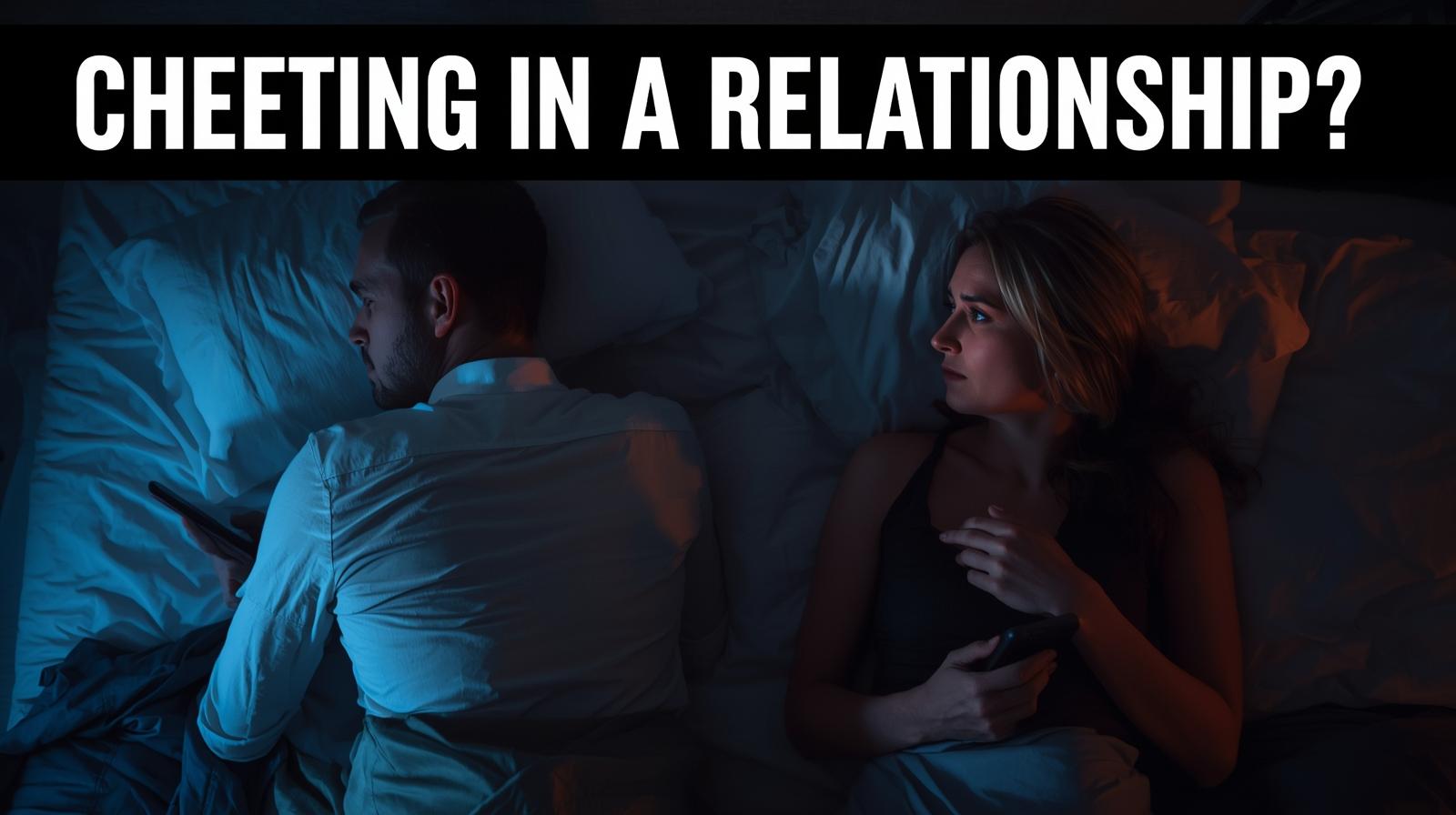
What Changes When Someone Cheats
When cheating in a relationship happens, the first changes are usually emotional. The partner may become distant or detached, even while staying physically present. Conversations feel shallow, and the emotional warmth that once existed seems to fade. You may feel like you are talking to a stranger.
At the same time, defensiveness increases. Simple questions like “What time did you get home?” may lead to irritation or anger. This reaction often comes from guilt and fear of being discovered.
Behavioral Signs to Watch
Changes in behavior are another key indicator of cheating in a relationship.
-
Sudden secrecy around phones, passwords, or social media.
-
Taking calls in another room or hiding notifications.
-
New routines that don’t match previous patterns (late work hours, new friends, unexplained outings).
Sometimes, there may even be overcompensation. A partner might suddenly become extra caring, romantic, or start buying gifts. This can be an attempt to reduce guilt or distract from suspicious behavior.
Emotional and Physical Intimacy Shifts
When emotional energy is shared with someone else, the original relationship often feels drained. You may notice:
-
Less interest in deep conversations.
-
Reduced intimacy or affection.
-
Or, intimacy becomes more performative and distant rather than loving and connected.
These shifts aren’t always because of cheating, but they do signal emotional disconnection that needs attention.
Understanding the Psychology Behind These Signs
People who cheat often try to balance two realities. This creates cognitive dissonance, causing anxiety and confusion. To manage this, they may use:
-
Emotional withdrawal to numb guilt
-
Secrecy to protect the affair
-
Blame or criticism to justify their actions internally
Recognising these patterns can help you understand the deeper emotional conflict happening beneath the surface.
How to Respond Calmly
Instead of accusing, approach gently:
-
Share what you have observed without blame.
-
Express how it makes you feel emotionally.
-
Ask to rebuild transparency and reconnect emotionally.
If patterns continue, consider therapy or counseling support.
Meta Description: