
Many people experience physical symptoms that have no medical explanation. These symptoms are real, painful, and sometimes frightening. The surprising truth is that many of them come from the mind. This connection between emotions and the body is known as a psychosomatic disorder. Understanding this helps people heal faster and reduce unnecessary fear.
What Is a Psychosomatic Disorder?
The word “psychosomatic” means the link between the mind (psyche) and the body (soma). A psychosomatic disorder happens when emotional stress, unresolved feelings, or mental overload trigger physical symptoms. The body reacts to emotional pressure exactly the way it reacts to physical danger. When the mind struggles, the body tries to communicate through pain or discomfort.
How Emotions Create Physical Symptoms
Every strong emotion activates the nervous system.
Stress tightens the muscles.
Sadness slows the body down.
Anxiety changes breathing.
Guilt affects the stomach.
Over time, repeated emotional pressure creates physical symptoms. For example, overthinking can turn into headaches, and suppressed anger can create neck or jaw tightness. When clients understand this mind–body connection, their healing improves quickly.
Common Symptoms of Psychosomatic Disorder
Many people with psychosomatic disorder feel physical issues without any serious medical cause. Some of the most common symptoms include:
- Headache or heavy head
- Neck and shoulder pain
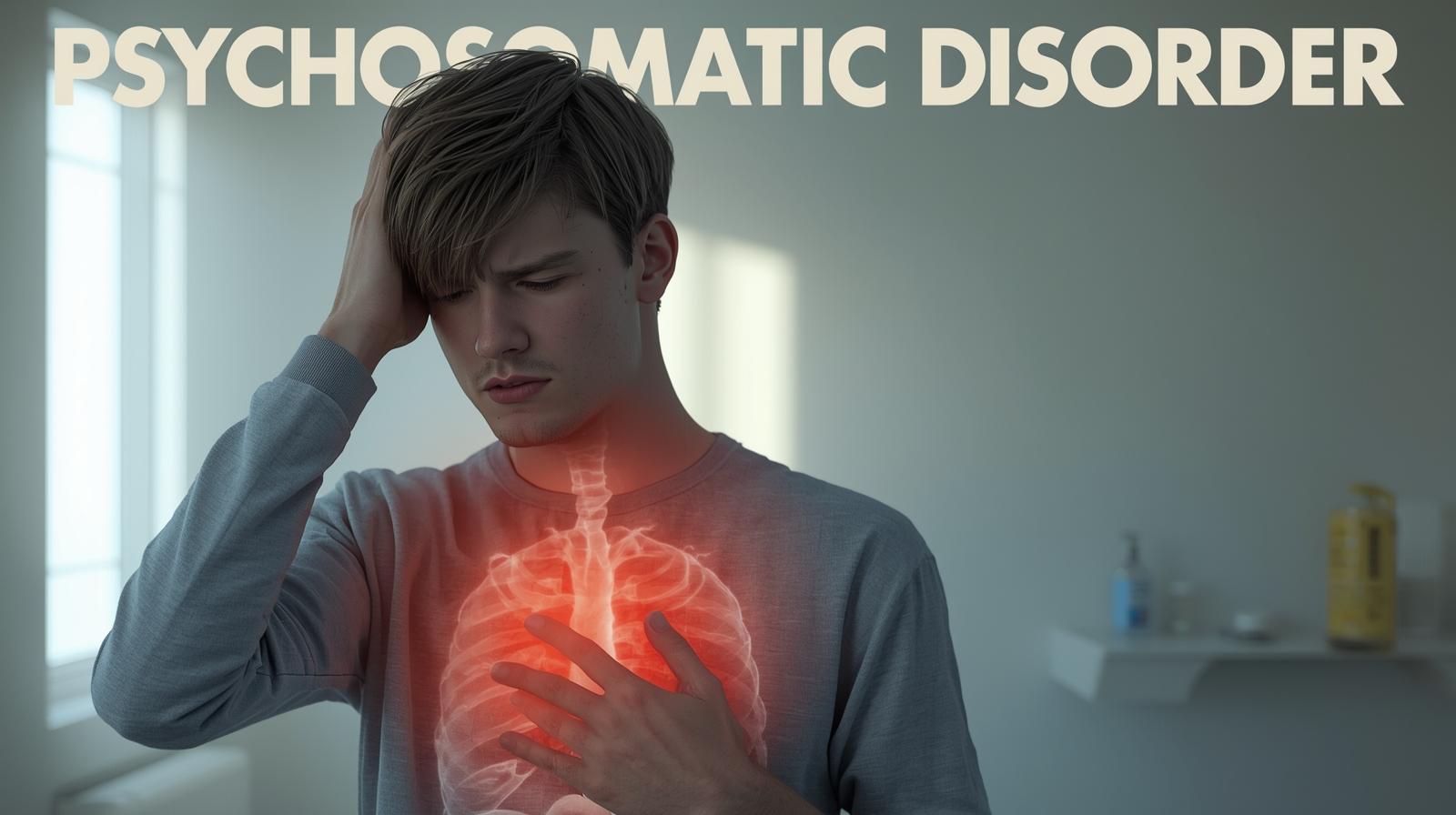
- Chest tightness or difficulty breathing
- Stomach pain, acidity, or nausea
- Fatigue and low energy
- Numbness in hands or legs
- Sleep disturbance
- Muscle pain or body heaviness
These symptoms are not imaginary. They are real signals that the mind needs emotional release.
Which Emotions Create Which Pains?
Different emotions create different reactions in the body:
- Sadness = chest heaviness and body pain
- Anxiety = numbness and dizziness
- Fear = shaking and breathlessness
- Guilt = stomach problems
- Suppressed anger = jaw and neck pain
- Overthinking = headaches and pressure
When these emotions stay inside for too long, they become physical discomforts.
Healing a Psychosomatic Disorder
Healing becomes easier when people address the emotional root. Techniques like counseling, hypnotherapy, breathwork, and emotional release practices reduce the physical symptoms naturally. Once the emotions are processed, the body relaxes, and pain decreases.
A psychosomatic disorder does not mean someone is imagining their symptoms. It simply means the mind is trying to speak through the body.