
Many people experience discomfort or fear when they see ants, but for some, this fear becomes intense and overwhelming. Fear of ants, also known as Myrmecophobia, affects daily life, emotional balance, and even personal comfort at home. Understanding the deeper psychological reasons behind this fear helps you handle it with more clarity.
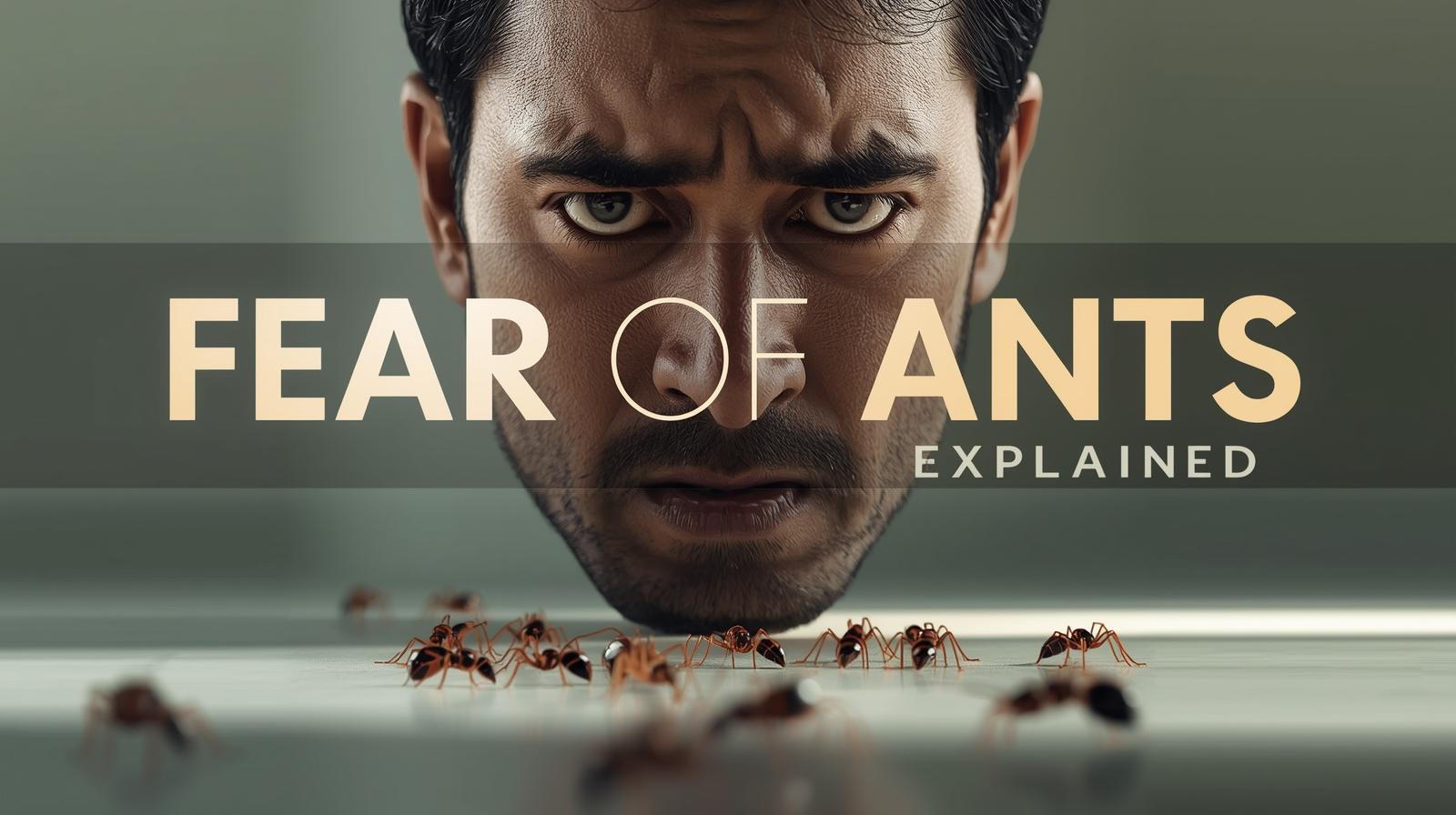
What Exactly Is the Fear of Ants?
The fear of ants is not just about being scared of small insects. It is a subconscious reaction created by the brain’s threat system. Ants move quickly, appear suddenly, and often come in groups. This combination makes the primitive mind feel unsafe because it cannot predict their movement. Even if the conscious mind knows ants are harmless, the subconscious responds with an alarm.
Psychological Reasons Behind the Fear
1. Childhood Experiences
Many people develop the fear of ants after an intense childhood incident. Ant bites, stepping on ant hills, or seeing ants on food can create a strong emotional memory. The mind stores this event and activates fear whenever ants appear again.
2. Loss of Control
Ants symbolize invasion. They enter homes, climb walls, and reach food effortlessly. People who prefer control or order often feel threatened. The mind translates the ants’ movements as chaos, which triggers anxiety.
3. Sensitive Contamination System
Some individuals have a highly sensitive disgust or contamination response. Ants crawling on the skin or near personal items create a strong emotional reaction. This sensitivity often develops due to stress, trauma, or personality structure.
Symptoms of Fear of Ants
People with Myrmecophobia may experience:
-
Sudden anxiety or panic
-
Faster heartbeat
-
Tingling or crawling sensation on skin
-
Urge to run away or freeze
-
Over-checking rooms, food, or surfaces
These reactions show how strongly the subconscious mind influences the body.
How to Overcome the Fear of Ants
1. Gradual Exposure
Start by looking at images of ants. Then watch short videos. Slowly observe real ants from a distance. This method trains the mind to accept ants as non-threatening.
2. Breathing and Anchoring
Take slow breaths while pressing your thumb and index finger together. This grounding action teaches the mind that you are in control, not the fear.
3. Emotional Memory Release
Techniques like hypnotherapy, EFT tapping, or guided subconscious reprogramming help remove the first emotional imprint that created the fear.