
The fear of needles or injections, medically known as trypanophobia, affects millions of people worldwide. This fear goes far beyond mild nervousness. For many, it creates intense anxiety that leads to avoidance of vaccinations, blood tests, and even life-saving medical treatments. Understanding this fear is the first step toward managing it effectively.
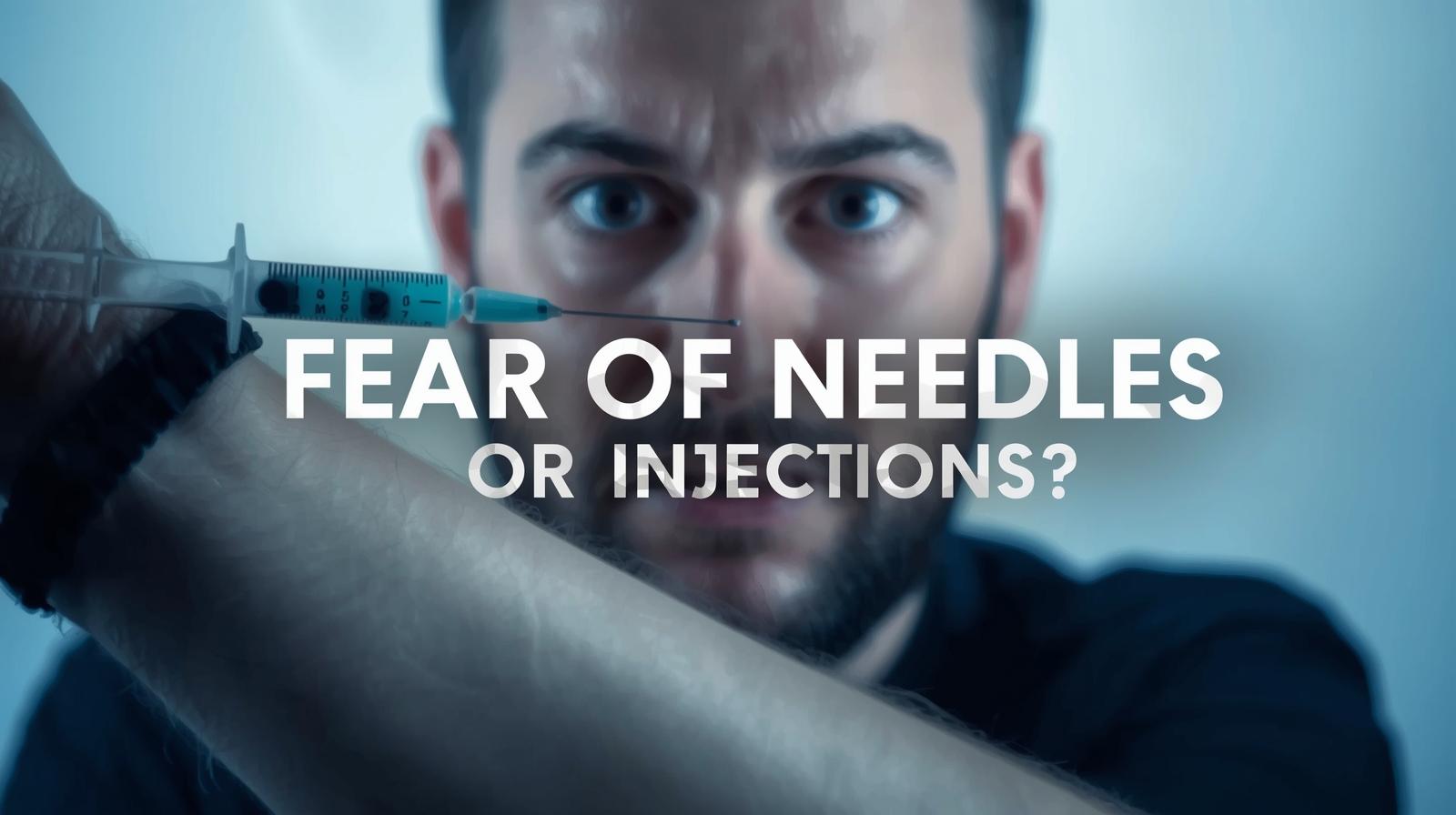
What Is Fear of Needles or Injections?
Fear of needles or injections is a specific phobia characterized by an overwhelming emotional and physical response when a person anticipates or encounters needles. The brain perceives the needle as a threat, even when the procedure is safe and necessary. This reaction often happens automatically and feels difficult to control.
Common Symptoms You May Experience
People with this fear may notice symptoms at both mental and physical levels. Anxiety usually begins long before the medical procedure.
Common symptoms include:
-
Rapid heartbeat and shallow breathing
-
Dizziness, nausea, or sweating
-
Muscle tension or shaking
-
A strong urge to escape the situation
-
In some cases, fainting due to a sudden drop in blood pressure
These reactions are not signs of weakness. They reflect the nervous system entering a survival response.
Why Does This Fear Develop?
The fear of needles or injections often develops from early experiences. A painful childhood injection, medical trauma, or watching someone else panic can strongly imprint the subconscious mind. Over time, the brain links needles with danger, pain, or loss of control.
For some individuals, the fear is not about pain alone. It may involve:
-
Fear of bodily harm
-
Fear of losing control
-
Fear of medical environments
-
Fear of fainting or embarrassment
The Subconscious Role in Trypanophobia
This phobia operates largely at a subconscious level. Even when a person logically understands that an injection is safe, the body reacts as if a real threat exists. The mind prioritizes survival over logic, triggering anxiety automatically. This explains why reassurance alone often fails to reduce the fear.
Effective Ways to Overcome the Fear
Several evidence-based approaches can help reduce the fear of needles or injections:
-
Gradual exposure therapy helps retrain the brain by introducing needles in small, controlled steps.
-
Breathing and muscle-tensing techniques prevent fainting and calm the nervous system.
-
Cognitive restructuring helps change threat-based beliefs.
-
Hypnotherapy and subconscious reprocessing address the emotional root of the fear rather than symptoms alone.
-
Distraction and grounding techniques support short-term coping during procedures.
A personalized approach works best, especially when the fear feels intense or long-standing.
When to Seek Professional Help
If fear of needles or injections causes you to delay or avoid medical care, professional support becomes essential. Early intervention can prevent long-term health risks and significantly improve quality of life. With proper guidance, most people experience noticeable relief within a short period.
Final Thoughts
The fear of needles or injections is common, real, and treatable. It does not define your strength or character. By understanding its psychological roots and choosing the right therapeutic approach, you can regain control and face medical procedures with confidence.