
Fear of being touched, clinically known as haphephobia, is a psychological condition where a person experiences intense discomfort, fear, or anxiety when someone touches them. This fear is not limited to strangers; in many cases, even touch from close family members or partners can feel overwhelming. While touch is a basic human need, for some people it becomes a source of distress rather than comfort.
Understanding haphephobia is important because many people suffer silently, assuming their reaction is “normal” or something they must endure.
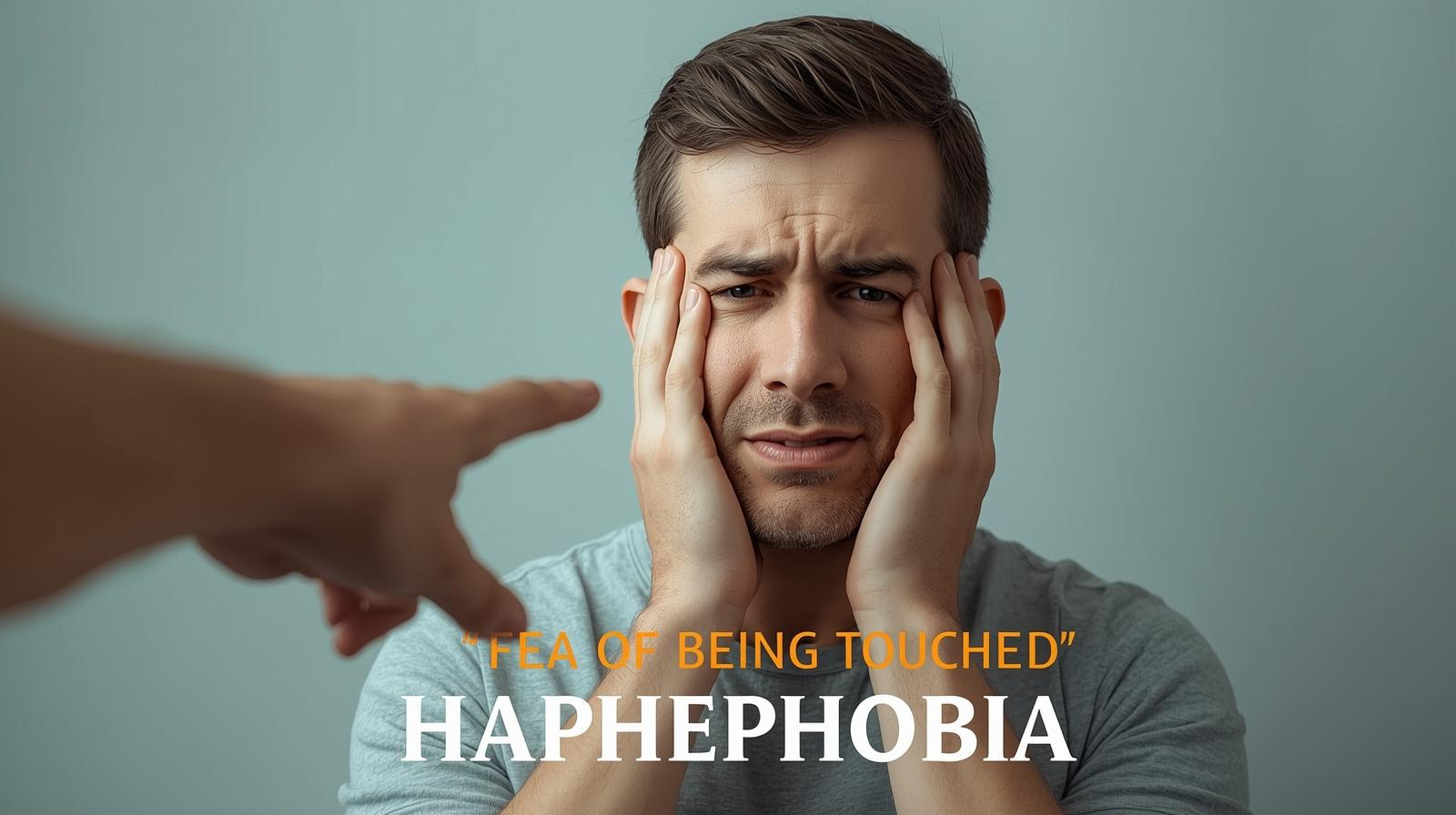
What Is Fear of Being Touched (Haphephobia)?
Fear of being touched (haphephobia) is a type of specific phobia. The fear response is immediate and emotional, not logical. Even a light touch on the hand, shoulder, or arm can trigger anxiety, panic, or an urge to withdraw.
This condition differs from simple dislike of physical contact. In haphephobia, the body reacts as if there is danger, even when the person knows intellectually that the touch is safe.
Common Symptoms of Haphephobia
People with fear of being touched may experience:
-
Sudden anxiety or panic when touched
-
Increased heart rate or sweating
-
Muscle stiffness or freezing response
-
Strong urge to pull away or escape
-
Irritability or emotional shutdown
-
Avoidance of crowded places or social gatherings
In severe cases, even the anticipation of touch can cause stress.
Causes of Fear of Being Touched
Haphephobia usually develops from emotional or psychological experiences rather than physical reasons.
1. Past Trauma
Childhood emotional neglect, physical abuse, sexual abuse, or unwanted touch can deeply affect the subconscious mind.
2. High Anxiety Levels
People with chronic anxiety often develop heightened sensitivity to physical boundaries.
3. Fear of Losing Control
Touch can feel intrusive for individuals who grew up in strict or controlling environments.
4. Suppressed Emotions
Unexpressed fear, anger, or shame stored in the body can create resistance to touch.
How Fear of Being Touched Affects Daily Life
Fear of being touched (haphephobia) can affect relationships, work life, and mental health. Simple actions like handshakes, medical check-ups, or travelling in public transport may feel stressful. Intimate relationships may suffer because touch feels unsafe instead of loving.
Over time, avoidance can increase loneliness and emotional exhaustion.
Treatment Options for Haphephobia
The good news is that haphephobia is treatable.
Psychological Therapy
Therapies that work at the emotional and subconscious level help identify the root cause of fear.
Hypnotherapy
Hypnotherapy helps release stored emotional memories connected to touch and rebuilds a sense of safety.
Gradual Exposure with Emotional Support
Safe, guided exposure works best when emotional fears are addressed first.
Nervous System Regulation
Breathing techniques and body-based therapies help calm the fight-or-flight response.
When to Seek Help
If fear of being touched (haphephobia) interferes with your relationships, daily activities, or emotional well-being, professional help is recommended. Early intervention leads to faster recovery and better quality of life.