
Many people feel uncomfortable when they see a frog. However, the phobia of frogs is more than simple dislike. It is an intense and irrational fear that triggers strong emotional and physical reactions. Even a small frog near a pond can create panic in someone who suffers from this condition.
In psychology, the phobia of frogs is known as Ranidaphobia. This fear can affect daily life, outdoor activities, and emotional stability.
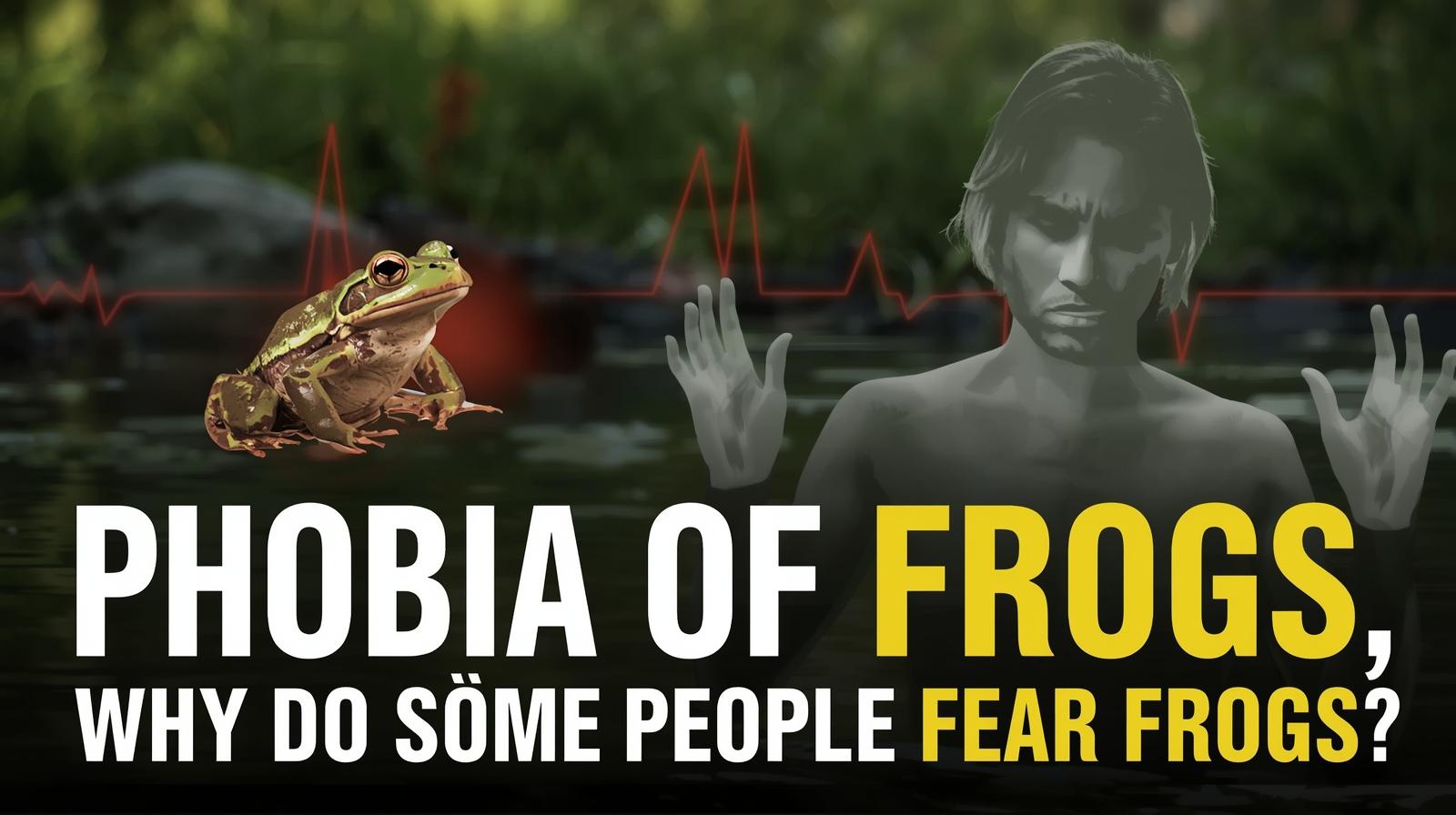
What is Phobia of Frogs?
The phobia of frogs refers to an extreme fear response when a person sees, hears, or even thinks about frogs. The brain reacts as if there is a real threat, even when the situation is harmless.
A person may understand logically that frogs are not dangerous, but the emotional brain overrides logic. This creates anxiety and avoidance behaviour.
Common Symptoms of Frog Phobia
When someone experiences the phobia of frogs, the body activates its survival response. Common symptoms include:
-
Rapid heartbeat
-
Sweating
-
Shaking or trembling
-
Nausea
-
Shortness of breath
-
Urge to run away
In severe cases, a panic attack may occur. These symptoms can appear within seconds of seeing a frog or even a frog image.
Why Does This Fear Develop?
Several psychological factors contribute to this fear.
1. Childhood Experiences
A sudden frog jump during childhood can create a shock response. The brain stores this moment strongly. Later, similar situations trigger the same fear.
2. Learned Behaviour
Children often copy the reactions of parents or elders. If a parent screams at the sight of a frog, the child may learn to associate frogs with danger.
3. Disgust Sensitivity
Some individuals feel uncomfortable with slimy textures or unpredictable movements. This discomfort slowly turns into anxiety.
4. Subconscious Associations
Sometimes frogs symbolise dirt, infection, or unpleasant memories in the subconscious mind. These hidden meanings strengthen the fear.
Psychological Explanation Behind the Fear
The amygdala, which controls fear, activates quickly when a person with the phobia of frogs encounters a trigger. The nervous system releases adrenaline. The body prepares to fight or escape.
Repeated avoidance strengthens the fear. Each time the person runs away, the brain learns that frogs are dangerous. This cycle increases anxiety over time.
How to Overcome Phobia of Frogs
The good news is that treatment works effectively.
Gradual Exposure
Therapists introduce frog images slowly. Step-by-step exposure helps the brain learn safety.
Cognitive Behavioural Therapy (CBT)
CBT changes irrational beliefs about frogs. It builds rational thinking and emotional control.
Relaxation Training
Deep breathing and grounding techniques reduce physical symptoms quickly.
Hypnotherapy
Hypnotherapy helps identify the root emotional memory and reprogram subconscious fear patterns.
When to Seek Professional Help
If the fear affects daily life, outdoor activities, or emotional wellbeing, professional guidance becomes necessary. Early intervention reduces long-term anxiety patterns.
Final Thoughts
The phobia of frogs may look minor to others, but it feels intense and real to the person experiencing it. With proper psychological support, the brain can relearn safety and restore emotional balance.