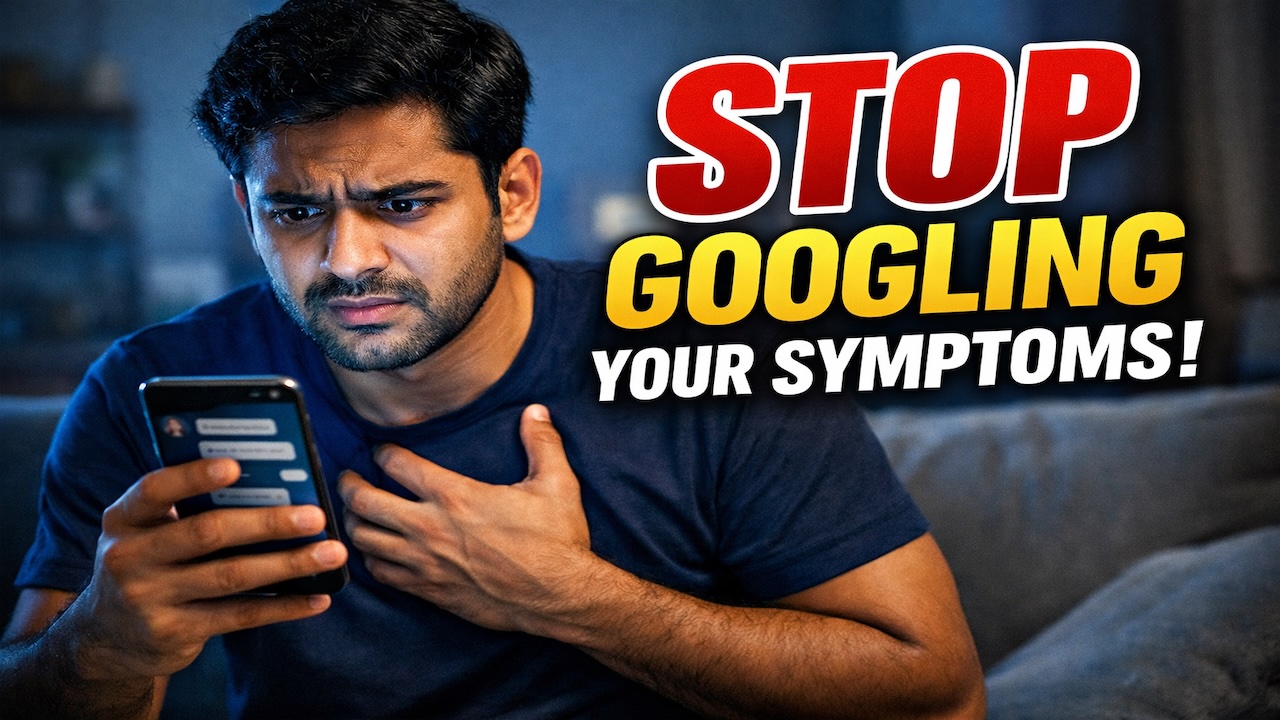
Today, many people use ChatGPT for anxiety when they feel scared about their health. Earlier, people depended on Google Search. Even a simple headache could lead to results about brain tumours, which increased fear instead of reducing it. Compared to that, ChatGPT feels more calm and supportive. But the way you use it matters a lot.
Why People Turn to ChatGPT for Anxiety
When someone experiences symptoms like chest pain, dizziness, or numbness, anxiety immediately pushes them to search online. Now, instead of Google, many ask ChatGPT questions like:
“Am I having a heart attack?”
“Do these symptoms mean cancer?”
This behaviour comes from fear, not logic. The mind looks for quick reassurance. So, using ChatGPT for anxietybecomes the first coping step.
The Problem with Symptom-Based Questions
Here is the key issue. If you type your symptoms and ask, “Is this a serious disease?”, ChatGPT will respond with possibilities. It cannot completely rule out dangerous conditions.
Even a doctor may hesitate to say “This is not a heart attack” without proper examination. So ChatGPT will naturally say, “There is a possibility.”
Now, for a person with anxiety, that one word — possibility — becomes dangerous.
Even if ChatGPT says:
“99% it is not serious”
Your mind will focus on the remaining 1%.
This is where ChatGPT for anxiety can unintentionally increase fear.
Why Anxiety Focuses on the Worst Case
Anxiety does not work on logic. It works on survival instinct. It constantly scans for danger.
So even a small chance feels like a big threat.
For example:
- Chest pain → “What if it’s a heart attack?”
- Headache → “What if it’s a tumour?”
This pattern creates a loop of searching, fear, temporary relief, and again searching.
The Right Way to Use ChatGPT for Anxiety
You do not need to stop using ChatGPT. Instead, change how you ask questions.
❌ Wrong way:
“Are these symptoms of a heart attack?”
✅ Better way:
“I have health anxiety and I tend to overthink serious diseases. I am feeling these symptoms now. How can I manage this anxiety?”
This small change shifts the response completely.
Now, ChatGPT focuses on:
- Calming your mind
- Giving practical coping techniques
- Reducing overthinking
Used correctly, ChatGPT for anxiety can give temporary relief and emotional support.
ChatGPT Is Not a Replacement for Therapy
ChatGPT can guide you, but it cannot treat the root cause of anxiety.
If your fear repeats often, you need:
- Professional counselling
- Emotional processing
- Identifying subconscious fears
Real healing happens when you address the core pattern, not just the symptoms.
Final Thought
Life is about facing fears, not running from them. Health anxiety can feel very real, but you are not alone in this journey.
Use tools like ChatGPT wisely. Let it support you, not scare you.
And remember — true freedom from anxiety comes when you understand your mind, not when you keep searching for diseases.