
Have you heard of Premenstrual Dysphoric Disorder? Many people still confuse it with regular PMS. However, mood swings before periods can sometimes be much more intense and difficult to control. While women experience it physically and emotionally, men also need to understand this condition to support their partners better.
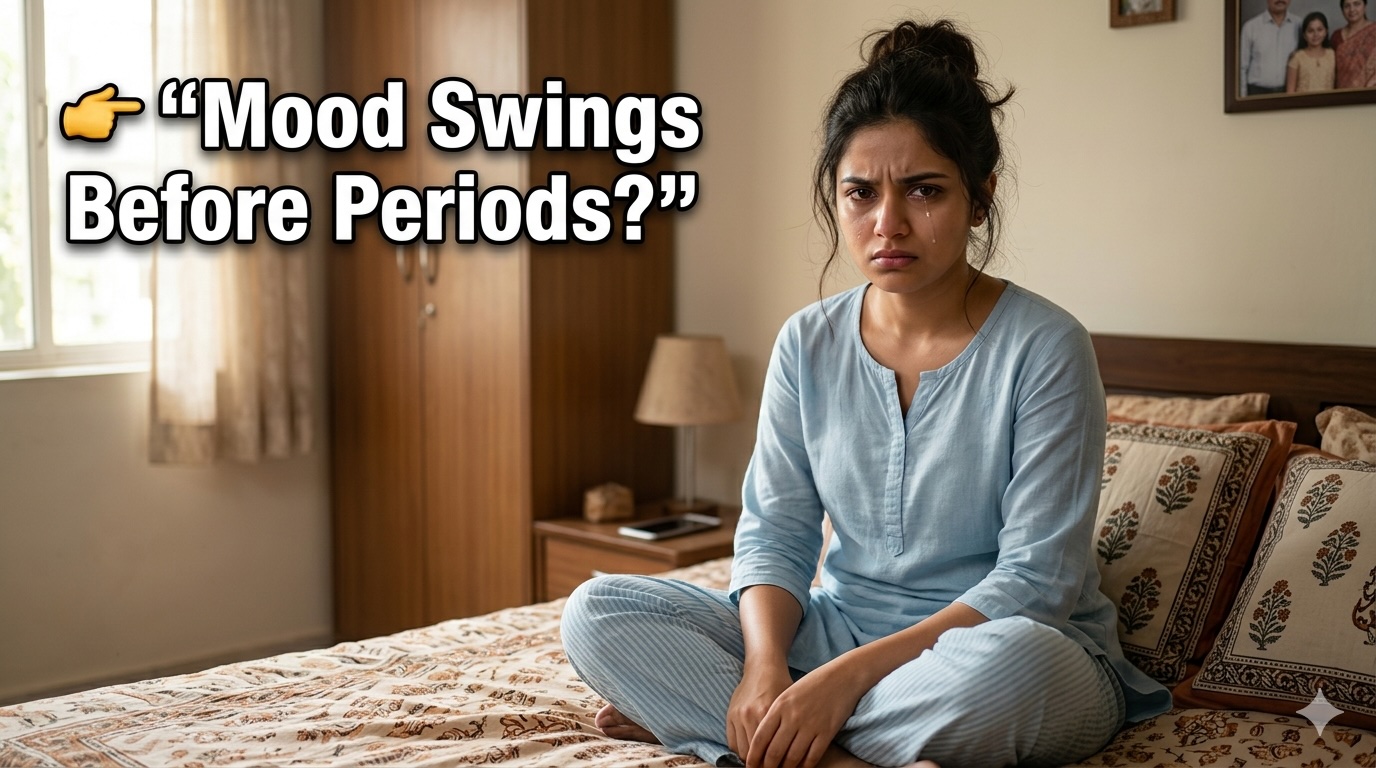
What Are Mood Swings Before Periods?
Mood swings usually appear 1–2 weeks before menstruation. In PMDD, these changes are not mild. They feel overwhelming and hard to manage. The important point is that symptoms reduce or disappear after periods begin, which makes this a cycle-based condition.
Unfortunately, many women get labelled as “negative” or “short-tempered” during this phase, especially when they express anger toward loved ones.
Emotional Symptoms You Should Know
The emotional side of symptoms include:
- Severe sadness or hopelessness before periods
- Anxiety and constant overthinking
- Uncontrollable anger, irritation, and frustration
- Feeling emotionally overwhelmed or out of control
- Relationship conflicts, especially with close people
- In some cases, even suicidal thoughts
These are not personality issues. They are phase-based emotional changes.
Physical and Behavioural Changes
Along with emotional symptoms, women may also experience:
- Low energy or fatigue
- Breast pain or tenderness
- Changes in appetite (either too much or too little)
- Poor concentration and lack of focus
These symptoms together make mood swings before periods more intense and difficult to handle.
What Causes These Mood Swings?
The exact cause of PMDD is not clearly defined yet. However, research suggests that it is linked to how the brain reacts to hormonal changes.
One key factor is the hormone progesterone, which increases before periods. Some women may have low tolerance or sensitivity to this hormone, leading to emotional instability.
Emotional Factors That May Increase Intensity
From a psychological perspective, some individuals may experience stronger mood swings before periods if they have:
- Childhood emotional neglect
- Lack of emotionally understanding parents
- Fear of rejection
- Suppressed emotions
- Past trauma, including sexual exploitation
These experiences can reduce emotional tolerance, making this phase more overwhelming.
Why This Affects Relationships
This condition can strongly affect relationships. During this phase, women may show more anger or irritation toward loved ones. Without awareness, partners may misunderstand this behaviour, leading to conflicts and emotional distance.
Understanding symptoms can improve empathy and communication in relationships.
Can Therapy Help?
Yes, therapy is highly effective. The goal is not just symptom control but:
- Identifying emotional triggers
- Increasing subconscious tolerance to emotions
- Processing suppressed feelings
With the right psychological support, individuals can handle this in a much healthier way.
Final Thought
Mood swings before periods are not a weakness or attitude problem. They are a real mind–body condition that needs understanding, not judgment.