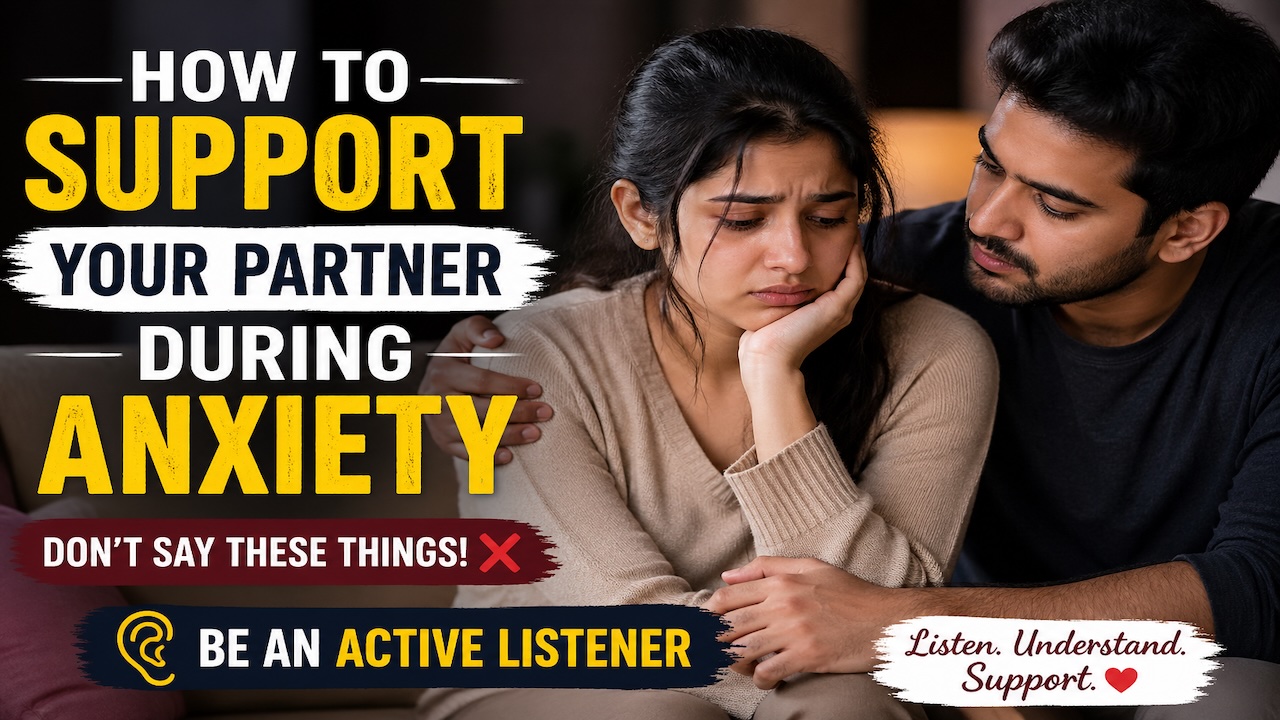
In relationships, one of the most powerful emotional support skills is not giving advice—it is listening in the right way. When someone is dealing with anxiety or emotional distress, your response can either calm them or make things worse. Many people try to “fix” the situation quickly, but that approach often fails.
Why Logical Advice Fails During Emotional Stress
When a person is highly emotional, their brain does not process information logically. In such moments, thoughts can feel very real, almost like actual events. So, statements like:
- “Don’t think like that”
- “Nothing will happen”
- “You are overthinking”
do not work. In fact, they can increase distress.
At this stage, emotional validation matters more than logical correction. Strong emotional support skills require understanding this shift.
What People Actually Expect From You
When someone shares their problem, they are not always asking for a solution. They are expecting:
- Someone to listen
- Someone to understand
- Someone who will not judge
If you dismiss their feelings or give cliché responses like “I have gone through worse” or “this is life, just move on,” you break their trust. They came to you with an expectation—do not take that away.
What Is Active Listening?
Being an active listener is a core part of emotional support skills. It does not mean just hearing words. It means listening with intention and presence.
An active listener:
- Gives full attention (no phone or distractions)
- Does not interrupt
- Avoids negative or dismissive replies
- Asks gentle questions when needed
- Tries to understand emotions, not just facts
This kind of listening itself can reduce emotional intensity.
The Right Strategy: Listen → Reflect → Validate → Guide
To apply emotional support skills effectively, follow this simple structure:
1. Listen
Let them speak fully without interruption.
2. Reflect
Repeat or paraphrase what they said:
“നിനക്ക് വളരെ tension ആണ് തോന്നുന്നത്…”
3. Validate
Acknowledge their feeling:
“This feels very real for you right now.”
4. Guide
Only after calming them, gently guide:
- Offer a solution if you have one
- Or suggest someone who can help
This structured approach makes emotional support skills practical and effective.
Common Mistake: Negative Listening
Many people think:
“What is the use of listening? Same problem every time.”
This mindset turns you into a negative listener, not an active one. Emotional support requires patience. If you change your approach, many problems reduce naturally because the person feels safe and understood.
Final Thought
You may not always solve someone’s problem. But you can always choose to be present. Strong emotional support skillsare not about fixing everything—they are about making the other person feel heard, safe, and less alone.