“I have been taking medicines for a long time, but there is no real change.”
This is a sentence many people say after months or even years of psychiatric treatment. It raises an important question: Are psychiatric medicines a complete solution for mental disorders, especially anxiety?
The honest answer is — no existing medicine can be considered a permanent cure for psychological problems, particularly anxiety. Medicines play a role, but they are not the final solution.
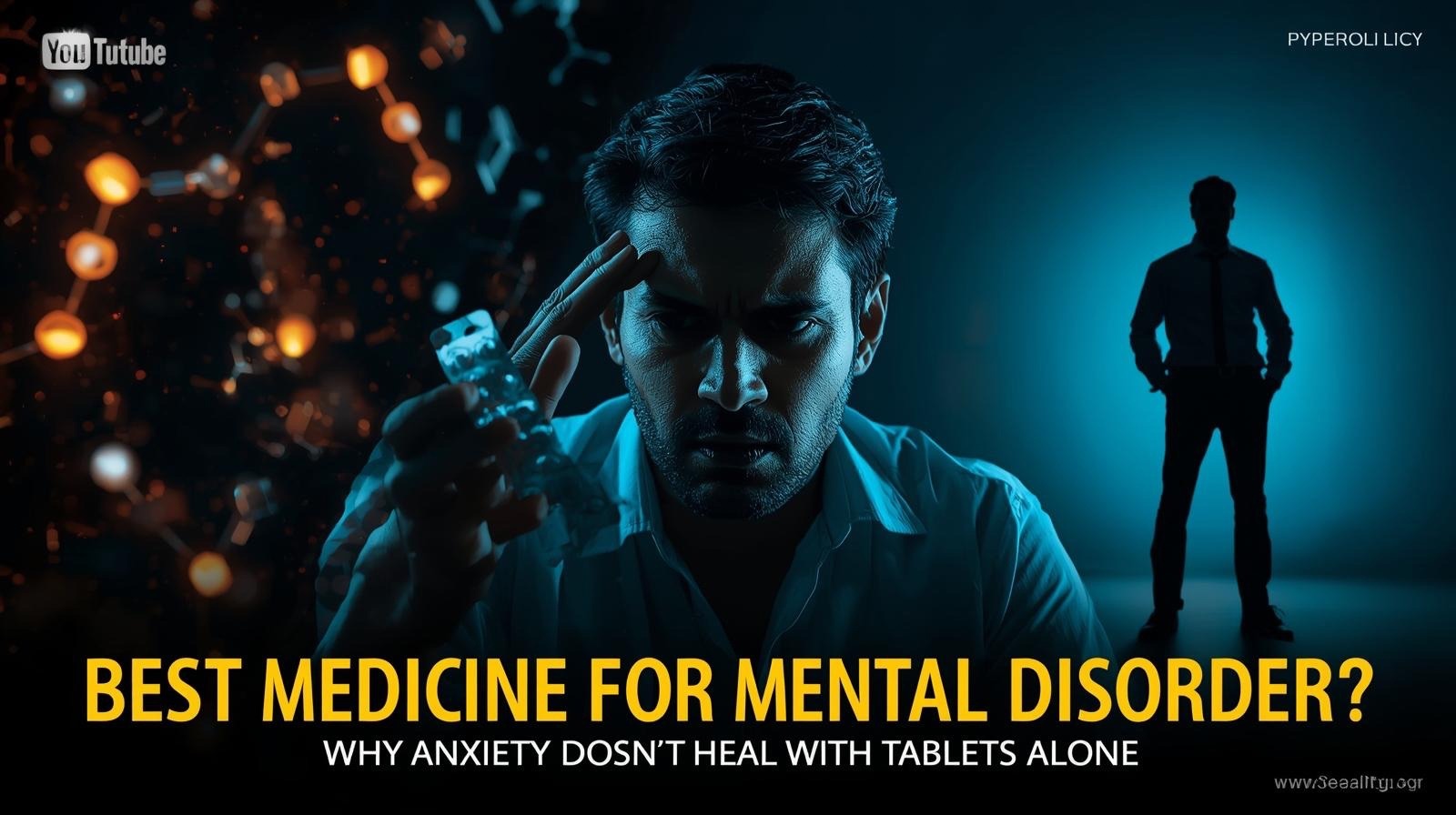
Medicines for Mental Disorders: What Do They Actually Do?
Most medicines prescribed for mental disorders today work on symptom management, not root causes.
In anxiety disorders, doctors commonly prescribe SSRIs (Selective Serotonin Reuptake Inhibitors). These medicines increase the availability of serotonin, often referred to as a “happy hormone”. Other medicines calm the nervous system or reduce physical symptoms like palpitations, sweating, and restlessness.
These approaches help many people function better temporarily, especially during severe phases. This benefit cannot be ignored. However, symptom relief should not be mistaken for permanent healing.
Why Anxiety Does Not Resolve Long-Term with Medicine Alone
Anxiety is not merely a chemical imbalance. At its core, anxiety originates from subconscious fear — fear of uncertainty, fear of loss, fear of judgment, or fear rooted in past experiences.
Medicines influence chemical messengers, but subconscious fear does not disappear with chemical regulation alone. Over time, the mind adapts. Many people notice that doses need adjustment or medicines need to be changed. This happens because the original fear remains unresolved.
In simple terms, medicines can reduce the alarm sound, but they do not fix the faulty wiring that triggers the alarm.
Is Serotonin the Real Solution for Anxiety?
SSRIs work by increasing serotonin levels, which can reduce distress. However, anxiety does not occur because of low serotonin alone.
Using serotonin to reduce fear is like forcing a smile on a worried face. The expression changes, but the emotion underneath remains. The subconscious mind eventually recognises this mismatch, which explains why long-term dependence on medicines often fails to bring complete relief.
This is why many experts agree that the best medicine for mental disorder cannot be only a pill.
Confidence, Not Chemicals, Is the Real Antidote to Anxiety
The true opposite of anxiety is not happiness — it is confidence.
Confidence is not a hormone. It is a neural pathway built through experience, understanding, and emotional resolution. Unless confidence develops against the specific fear causing anxiety, long-term recovery remains incomplete.
Identifying the unknown or suppressed fear at the subconscious level is the first step. Without this, no medicine can offer a permanent solution.
Why Therapy Is Essential Along with Medicine
Medicines can stabilise symptoms. Therapy creates lasting change.
When therapy addresses subconscious fears, wrong beliefs, and emotional conditioning, the brain forms new pathways. This process allows medicines, if needed, to be reduced safely under professional guidance.
That is why the most effective approach combines:
- Short-term medical support (when required)
- Long-term psychological therapy
This combination aligns with modern mental health science.
A Responsible Reminder
No one should stop psychiatric medicines without proper medical supervision. The message is not “medicines are useless,” but medicine alone is not the final answer.
For those seeking the best medicine for mental disorder, the truth is clear:
Long-term healing requires therapy, insight, and emotional reprogramming — not chemicals alone.