
Understanding the Emotional Roots
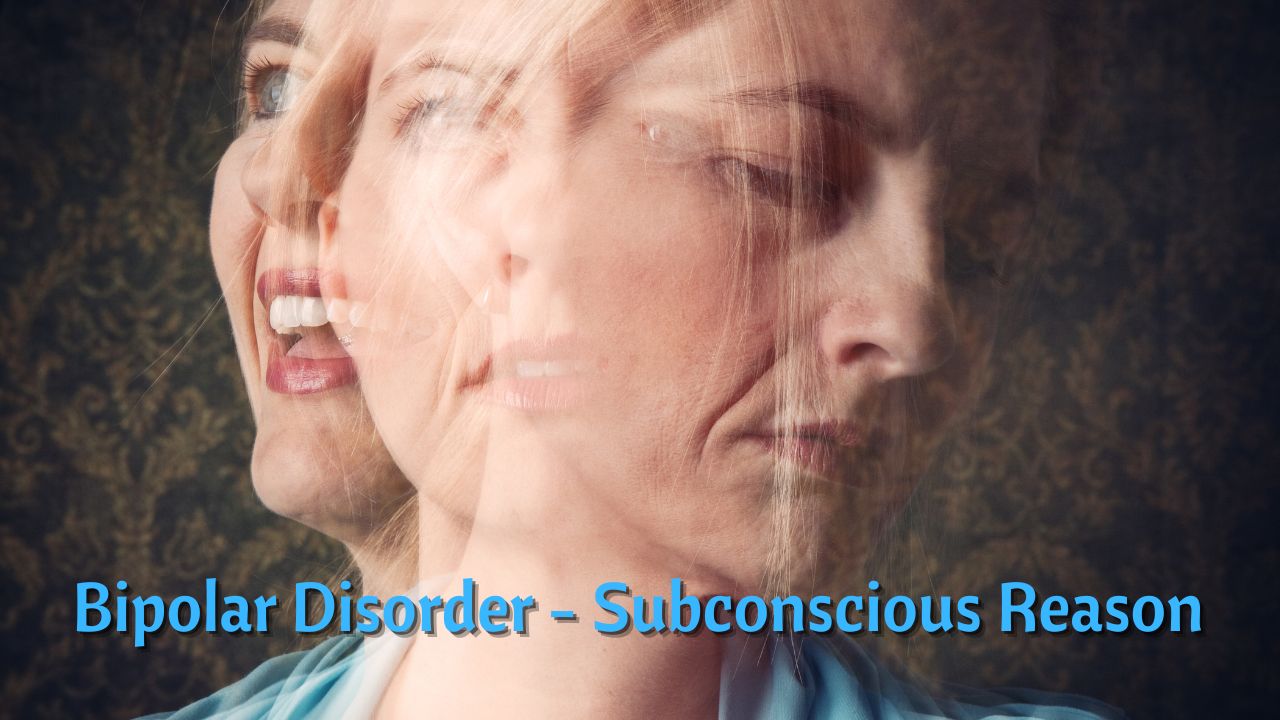
Behind every extreme mood swing lies a story the mind is trying to tell. Bipolar disorder reasons at a deeper level, it reflects a psychological struggle between opposing emotional forces. The mind constantly seeks balance — between control and surrender, joy and pain, expression and suppression. When this balance breaks, emotional energy moves in powerful waves, creating the highs and lows commonly seen in bipolar experiences.
Scientific View: Biological and Environmental Factors
Science explains bipolar disorder reasons through biological and environmental influences rather than emotional meaning.
-
Genetic influence: A family history of bipolar disorder increases susceptibility.
-
Neurochemical imbalance: Irregular dopamine and serotonin activity disturbs mood regulation.
-
Brain structure differences: Certain areas responsible for emotion and impulse control show altered activity.
-
Stress and trauma: Unresolved life events or emotional shock can activate dormant vulnerabilities.
-
Sleep disturbances: Lack of stable sleep often intensifies mood irregularities.
These factors provide surface-level explanations, but they do not address the emotional and subconscious roots that truly drive mood polarity.
Subconscious-Level Reasons for Bipolar Disorder
From a subconscious perspective, bipolar disorder can emerge as a defense mechanism against inner emotional conflict.
-
The manic state often symbolizes an attempt to escape pain through energy, control, or grandiosity.
-
The depressive state is the subconscious pulling back, forcing reflection and rest after emotional exhaustion.
This back-and-forth movement between expansion and collapse is the mind’s way of protecting itself from unresolved emotional wounds. Often, suppressed feelings like guilt, fear, rejection, or grief become trapped inside the subconscious, creating pressure that eventually manifests as mood extremes.
Healing Approach: Emotional Integration and Awareness
Healing begins by acknowledging the emotional opposites rather than resisting them. Therapeutic methods like hypnotherapy, subconscious reprogramming, and emotional tracing can help release suppressed feelings and restore balance. Combined with stable routines, healthy sleep, and conscious emotional expression, these approaches bring lasting stability — not by suppressing emotions, but by harmonising the inner conflict that drives them.