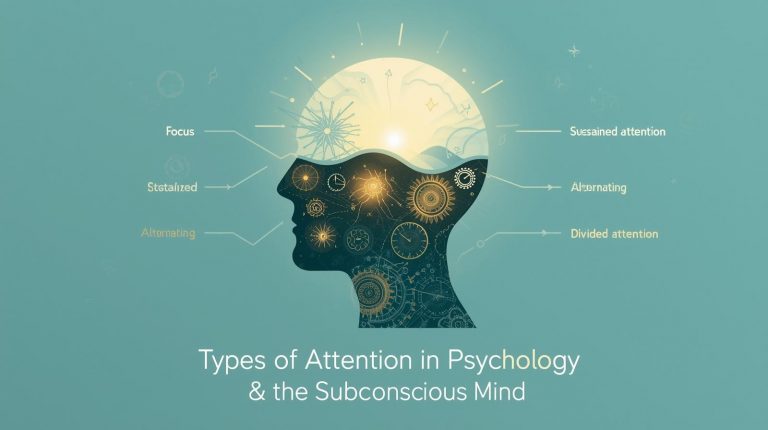
🧠 What Is Attention in Psychology? Attention is the process of directing mental energy toward specific information while filtering out the rest. In psychology, it’s not just a conscious act — the subconscious mind plays a powerful role in deciding what deserves your attention. Your subconscious constantly scans the environment, tagging anything linked to safety...
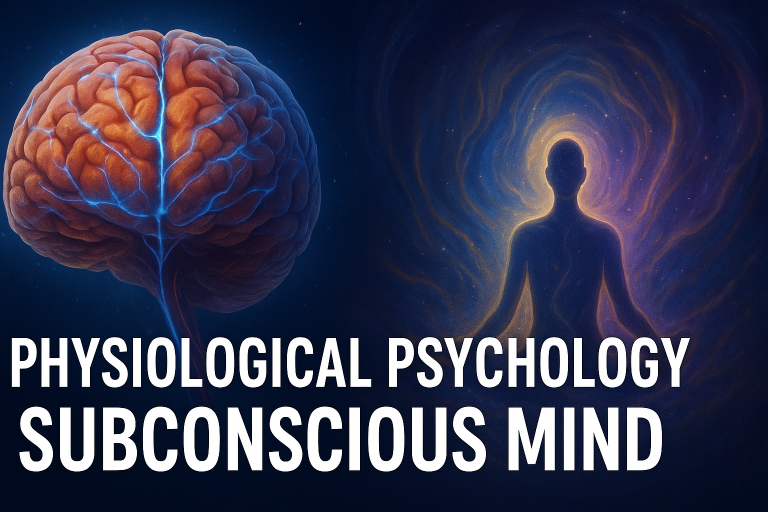
What Is Physiological Psychology? Physiological Psychology is the scientific study of how the brain, nervous system, hormones, and body chemistryinfluence our thoughts, emotions, and behaviors. It bridges biology and psychology, exploring how electrical impulses and chemical signals in the body shape our mental and emotional life. In simple terms, it studies how the mind works...
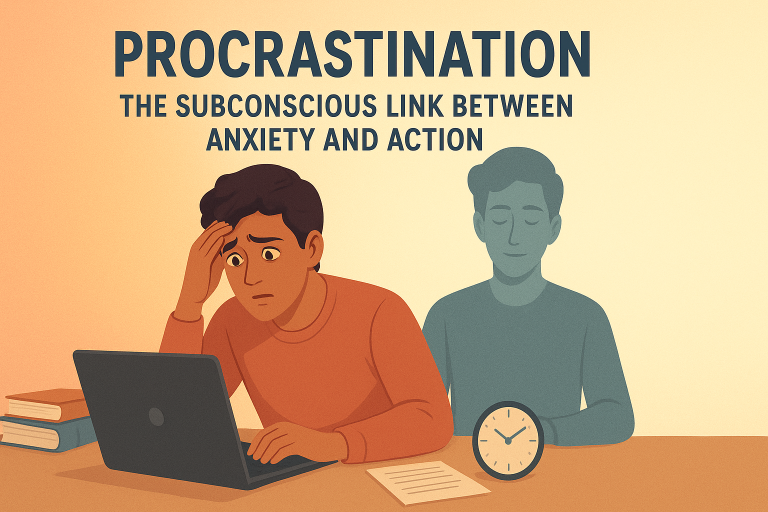
What Is Procrastination Really? Procrastination is not simply laziness or lack of discipline—it’s often a subconscious emotional pattern.For many people, their mind has learned that a certain level of anxiety or pressure is necessary to begin any work. This belief starts early in life, when tasks like studying or writing were done only under fear...
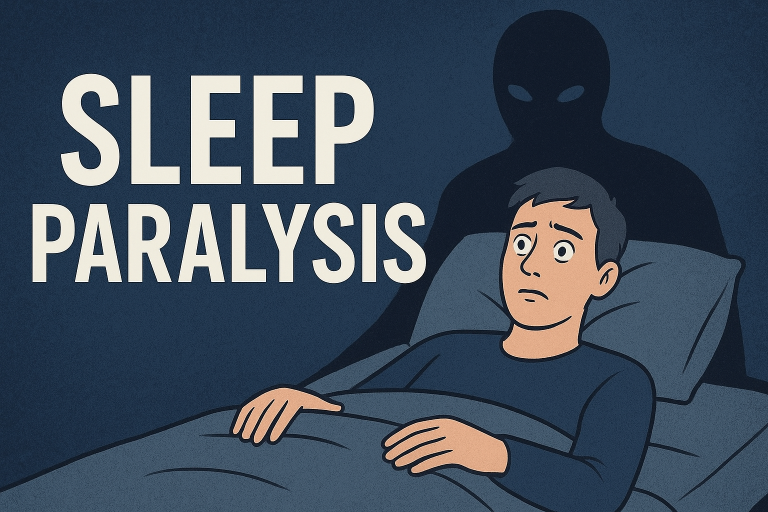
What Is Sleep Paralysis? Sleep paralysis is a frightening experience where your mind wakes up but your body stays frozen. You may be fully aware of your surroundings yet unable to move or speak. Many people also feel chest pressure or sense a strange presence in the room. This state occurs when the brain wakes...
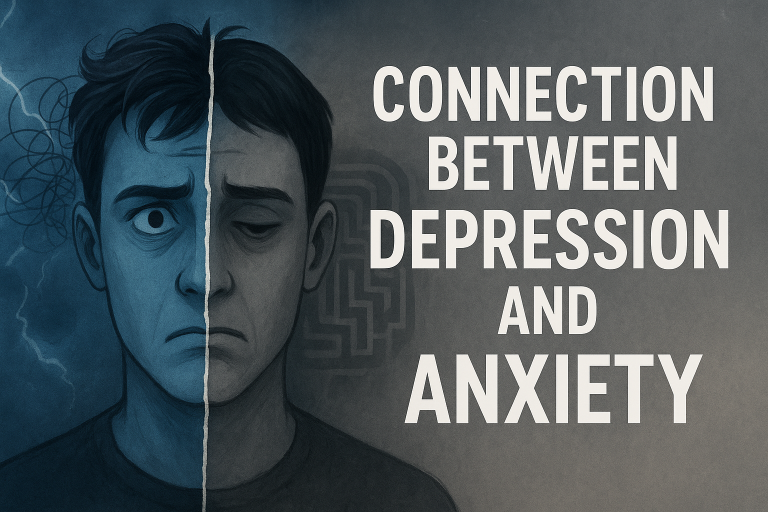
🌪️ The Hidden Link Between Depression and Anxiety Depression and anxiety are often seen as separate conditions, but in reality, they are deeply connected — especially at the subconscious level. Anxiety is the body’s alert mode, a natural response to fear or uncertainty. Depression, however, is what happens when that anxious energy collapses after feeling...

What Is Morning Anxiety? Morning anxiety is the feeling of nervousness, fear, or uneasiness that hits you as soon as you wake up. You might feel your heart racing, your stomach tight, or your mind flooded with thoughts before the day even begins. This isn’t just “worrying too much”—it’s your body’s stress system activating too...
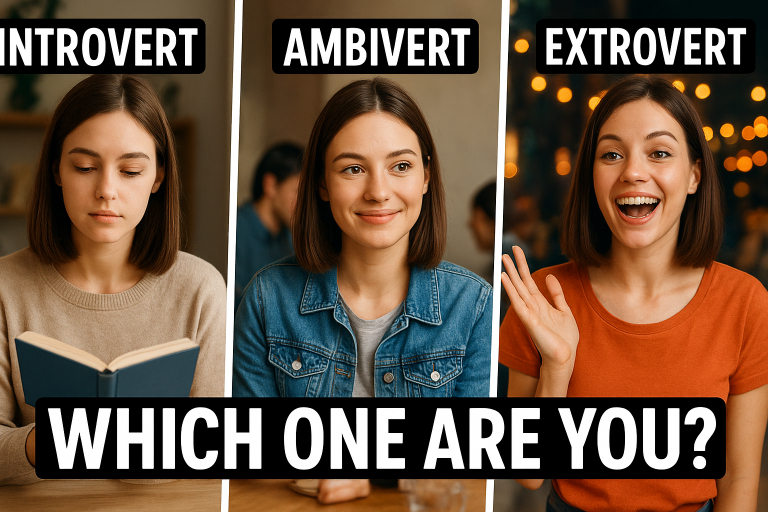
Many people mistakenly use the terms introvert and social anxiety interchangeably. While they may look similar on the surface, they are completely different experiences. Knowing the difference can help you understand yourself or others better. What Does It Mean to Be an Introvert? An introvert is someone who feels energized by spending time alone and...

Trauma is not just an event—it is a deep wound that changes how the mind works. While the body may recover, the effects of trauma in mind stay hidden and continue to influence emotions, thoughts, and behavior. Trauma Creates False Emotional Equations Imagine a person who was very happy before a trauma. Suddenly, the trauma...
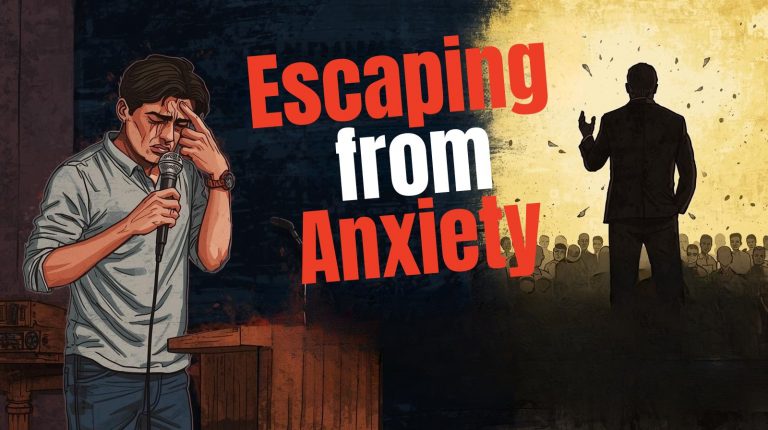
Anxiety is a natural response when we face situations that feel threatening—like speaking in public, attending social events, or sitting for an exam. While many people think escaping from anxiety by avoiding these situations gives them relief, the truth is that avoidance only strengthens anxiety in the long run. The Trap of Temporary Relief When...