
Many people imagine abuse in relationships as physical violence or shouting. However, some of the most damaging behaviours happen quietly. One such pattern is Coercive control, a subtle psychological strategy used to dominate a partner’s life.
Unlike direct aggression, coercive behaviour often appears normal from the outside. The controlling partner slowly reduces the other person’s independence, decision-making ability, and freedom. Over time, the victim begins to feel trapped without even realising how the situation developed.
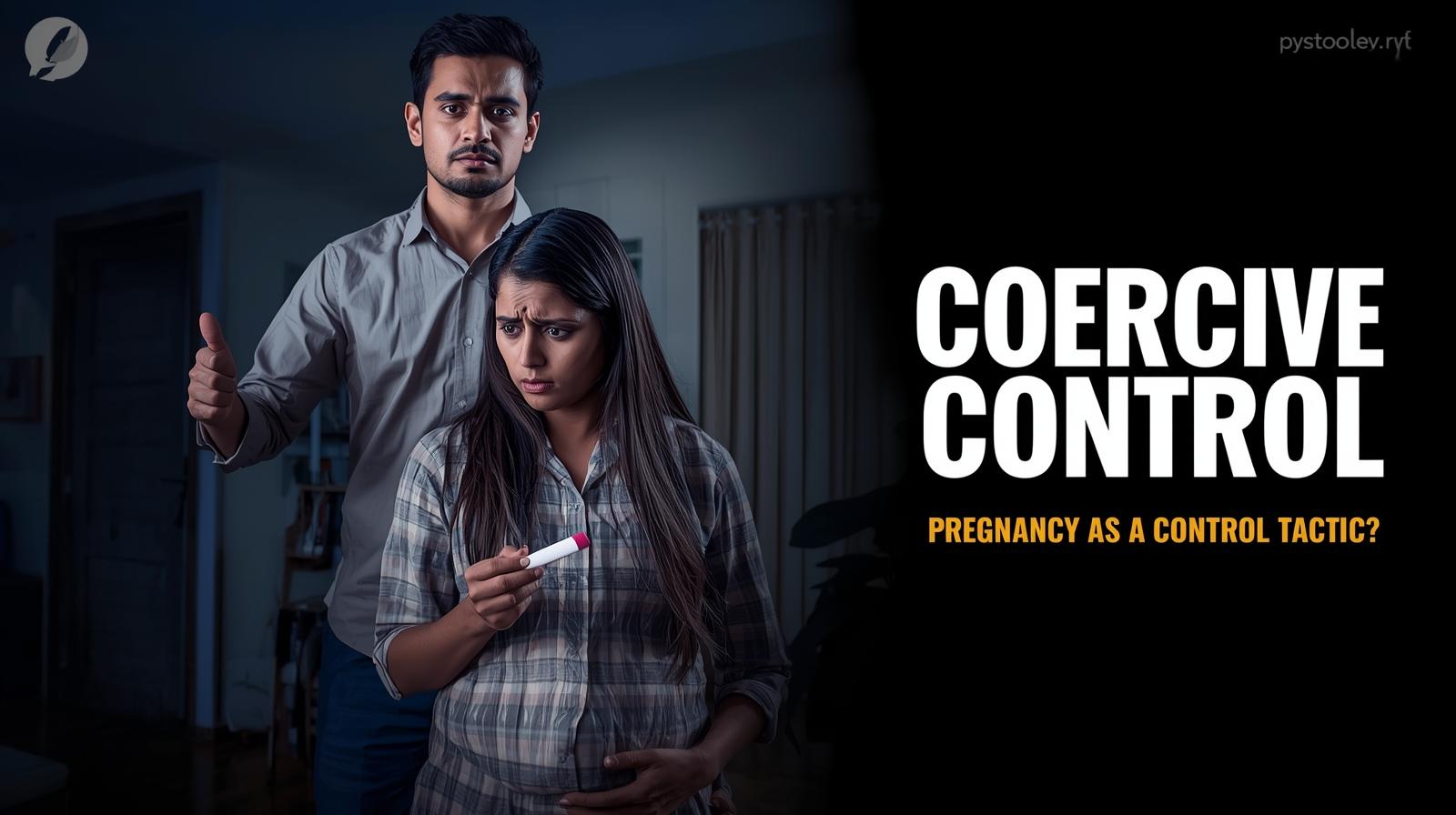
What Is Coercive Control?
Coercive control refers to a pattern of behaviours designed to control a partner’s life, choices, and personal freedom. Instead of one dramatic incident, it develops through repeated small actions that slowly limit independence.
A controlling partner may try to influence where the person goes, who they meet, how they spend money, or what decisions they make. These actions create a power imbalance in the relationship.
In many cases, the person experiencing coercive control begins to adjust their behaviour just to avoid conflict. Gradually, their personal identity and confidence start to weaken.
Common Signs of Coercive Control
Recognising coercive control can be difficult because the behaviour often looks like concern or care. However, several patterns appear frequently in controlling relationships.
Some common signs include:
-
Monitoring phone calls, messages, or social media
-
Discouraging friendships or family contact
-
Creating financial dependency
-
Constant criticism that lowers confidence
-
Making decisions without the partner’s consent
These behaviours slowly create an environment where one partner holds most of the power.
Planned Pregnancy as a Control Strategy
In some relationships, a manipulative partner may even use planned unwanted pregnancy as a control tactic. This situation happens when one partner pressures the other into pregnancy or deliberately plans it to increase dependency.
Pregnancy can change many aspects of life. Career plans may pause, social activities may reduce, and financial reliance on the partner may increase. For a controlling person, this shift can create stronger influence over the relationship.
This behaviour forms a serious example of coercive control because it removes the partner’s freedom to make personal reproductive decisions.
Psychological Impact on the Victim
The long-term effects of coercive control can be significant. Many people experience anxiety, confusion, and reduced self-esteem. Since the manipulation develops gradually, the person may blame themselves for relationship problems.
Victims often feel emotionally exhausted and isolated. They may believe they cannot leave the relationship because of financial dependence, children, or social pressure.
Understanding the pattern of coercive control helps individuals recognise that the problem lies in the manipulation, not in their personal weakness.
Building Healthy and Equal Relationships
Healthy relationships encourage independence, respect, and shared decision-making. Partners support each other’s goals instead of restricting them.
Open communication, mutual consent in major life decisions, and respect for personal freedom form the foundation of a balanced partnership.
When both individuals maintain their identity and autonomy, the relationship grows through trust rather than control.