
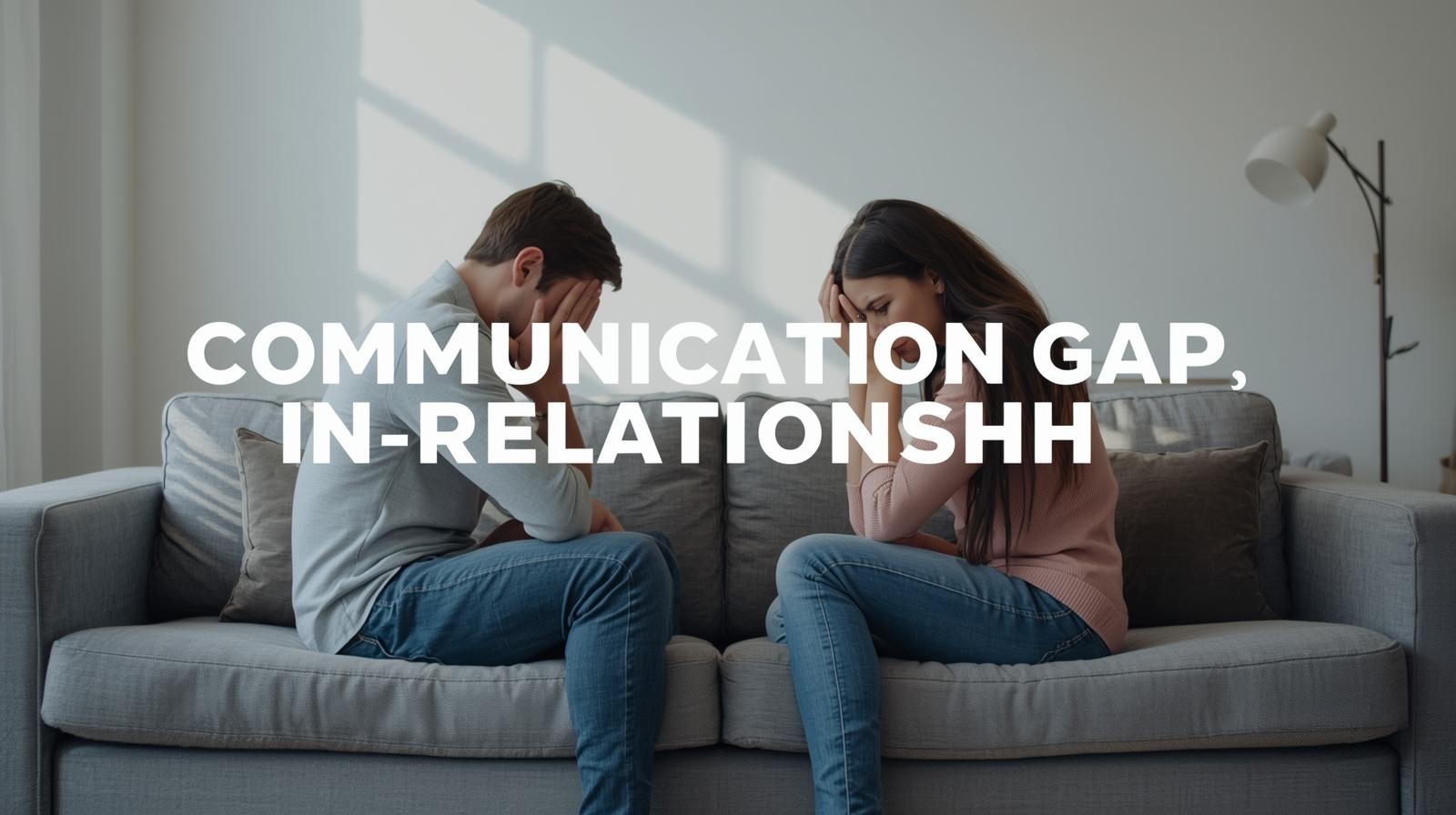
A communication gap in relationship is not just about less talking. It is a deeper emotional disconnect that slowly weakens trust, safety, and closeness between couples. Most partners misunderstand each other not because they don’t love one another, but because their core emotional needs are not expressed or understood clearly. When these needs remain unmet, communication naturally breaks down and conflicts increase.
To repair a communication gap in relationship, couples must understand the 8 basic emotional foundations that strengthen or weaken communication.
1. Safety: The Foundation of Open Communication
Healthy communication grows when partners feel safe.
Emotional safety allows you to express feelings without fear of judgement or rejection.
When safety is missing, communication becomes defensive, withdrawn, or tense.
Restoring safety reduces misunderstandings and opens the door to honest conversations.
2. Trust: The Core of Every Meaningful Conversation
Trust gives stability to the relationship.
When trust is high, partners communicate freely and share more deeply.
When trust breaks, people either over-explain, shut down, or become suspicious.
Rebuilding trust directly reduces the communication gap in relationship.
3. Attachment & Closeness
Attachment is the emotional glue of a relationship.
Couples who feel close communicate with warmth, ease, and emotional clarity.
A weak attachment leads to emotional distance, making communication feel forced or superficial.
4. Validation: The Heart of Understanding
Most communication problems happen not because partners disagree, but because they feel unheard.
Validation means acknowledging emotions even when you see things differently.
When validation is present, arguments reduce and emotional bonding grows.
5. Respect: The Tone That Shapes Communication
Respect maintains harmony in communication.
Respectful tone, boundaries, and choices create smooth interactions.
Disrespect—even subtle—creates fear, conflict, and emotional shutdowns.
6. Appreciation: The Fuel for Positive Interaction
Appreciation encourages kindness and openness.
Small expressions of gratitude reduce irritation and increase understanding.
Couples who appreciate each other talk more lovingly and listen more patiently.
7. Emotional Support: Feeling Held During Stress
When partners feel emotionally supported, communication becomes deeper and more honest.
Supportive interactions help both partners feel stronger during challenges.
Lack of support leads to loneliness and emotional withdrawal.
8. Desire & Warmth: Keeping the Relationship Alive
Affection, warmth, and physical closeness improve emotional bonding.
When partners feel desired, they communicate more openly and confidently.
Absence of warmth makes communication cold, distant, and mechanical.
How These 8 Emotional Needs Fix the Communication Gap
When couples understand and respond to these emotional needs, communication automatically improves.
Instead of focusing only on “talking more,” the true solution lies in restoring safety, trust, and emotional connection.
By strengthening these 8 foundations, the communication gap in relationship transforms into deeper intimacy, clarity, and mutual understanding.