
Many people confuse Epilepsy and Panic Attack because both conditions can appear suddenly and create intense physical reactions. However, the root causes, symptoms, and treatment approaches are completely different. Understanding the differences helps you support loved ones better and seek the right professional help at the right time.
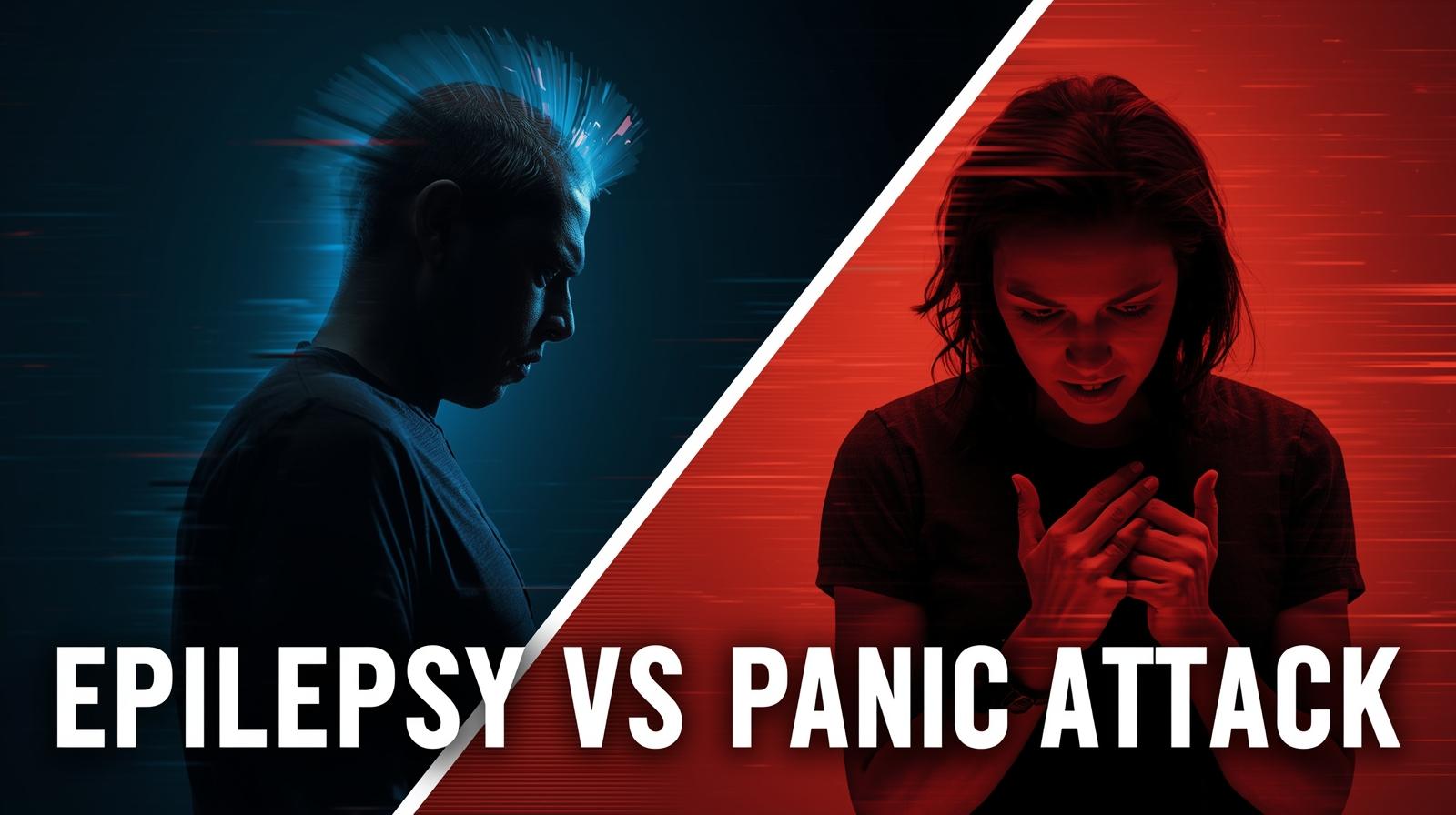
What Causes Epilepsy and Panic Attack?
Epilepsy is a neurological disorder that begins when abnormal electrical signals fire inside the brain. These signals disrupt normal functioning and create seizures. Genetics, brain injuries, infections, birth complications, or developmental issues can contribute to this condition.
Panic attacks, on the other hand, arise from psychological triggers. They start when the brain’s fight-or-flight system becomes overactive due to fear, stress, trauma, or unresolved emotional conflicts. The body reacts as if it is in real danger even when no threat exists.
Understanding these distinct causes is the first step in identifying whether a person is experiencing Epilepsy and Panic Attack symptoms.
How Symptoms Differ Between Epilepsy and Panic Attack
The symptoms of Epilepsy and Panic Attack may appear similar at first glance, but they come from different mechanisms.
Symptoms of Epilepsy
-
Sudden loss of consciousness
-
Jerking or stiffening of limbs
-
Eye-rolling
-
Tongue biting
-
Loss of bladder control
-
Confusion after the episode
During a seizure, the person usually cannot respond to their surroundings. They often have no memory of the event.
Symptoms of Panic Attack
-
Rapid heartbeat
-
Fast or shallow breathing
-
Trembling
-
Sweating
-
Fear of dying or losing control
-
Chest tightness
-
Feeling detached or unreal
Unlike epileptic seizures, the individual remains fully conscious and aware. They may feel overwhelmed but can usually recall the entire event.
Duration and Recovery: A Major Difference
Epileptic seizures typically last 30 seconds to 2 minutes. Recovery includes confusion, headache, and fatigue that may continue for hours. This recovery period is called the post-ictal phase.
A panic attack usually lasts 5 to 20 minutes. The intensity reduces gradually, and the person regains clarity quickly. There is no disorientation afterward.
This difference in recovery is one of the easiest ways to distinguish Epilepsy and Panic Attack in real-life situations.
Diagnosis and Treatment Approaches
A neurologist diagnoses epilepsy through EEG tests and medical imaging. Treatment involves anti-epileptic medication and lifestyle adjustments.
Panic attacks are diagnosed through psychological assessment. Treatment includes cognitive therapy, breathwork, emotional processing, subconscious work, and stress management techniques. Hypnotherapy also helps reduce recurring panic responses.
Accurate diagnosis ensures that both Epilepsy and Panic Attack receive the correct intervention.
When to Seek Professional Help
Seek immediate medical attention if a person collapses, stops breathing, or remains unconscious. For repeated panic attacks, consult a clinical psychologist or hypnotherapist who can address the underlying emotional triggers.