
The fear of darkness is one of the most common anxieties experienced by both children and adults. Known as Nyctophobia, this fear goes far beyond the absence of light. It is connected to deeper emotional memories, subconscious patterns, and the mind’s instinctive need for safety. Understanding the true cause of the fear of darkness helps individuals break the cycle of night-time anxiety and reclaim peaceful sleep.
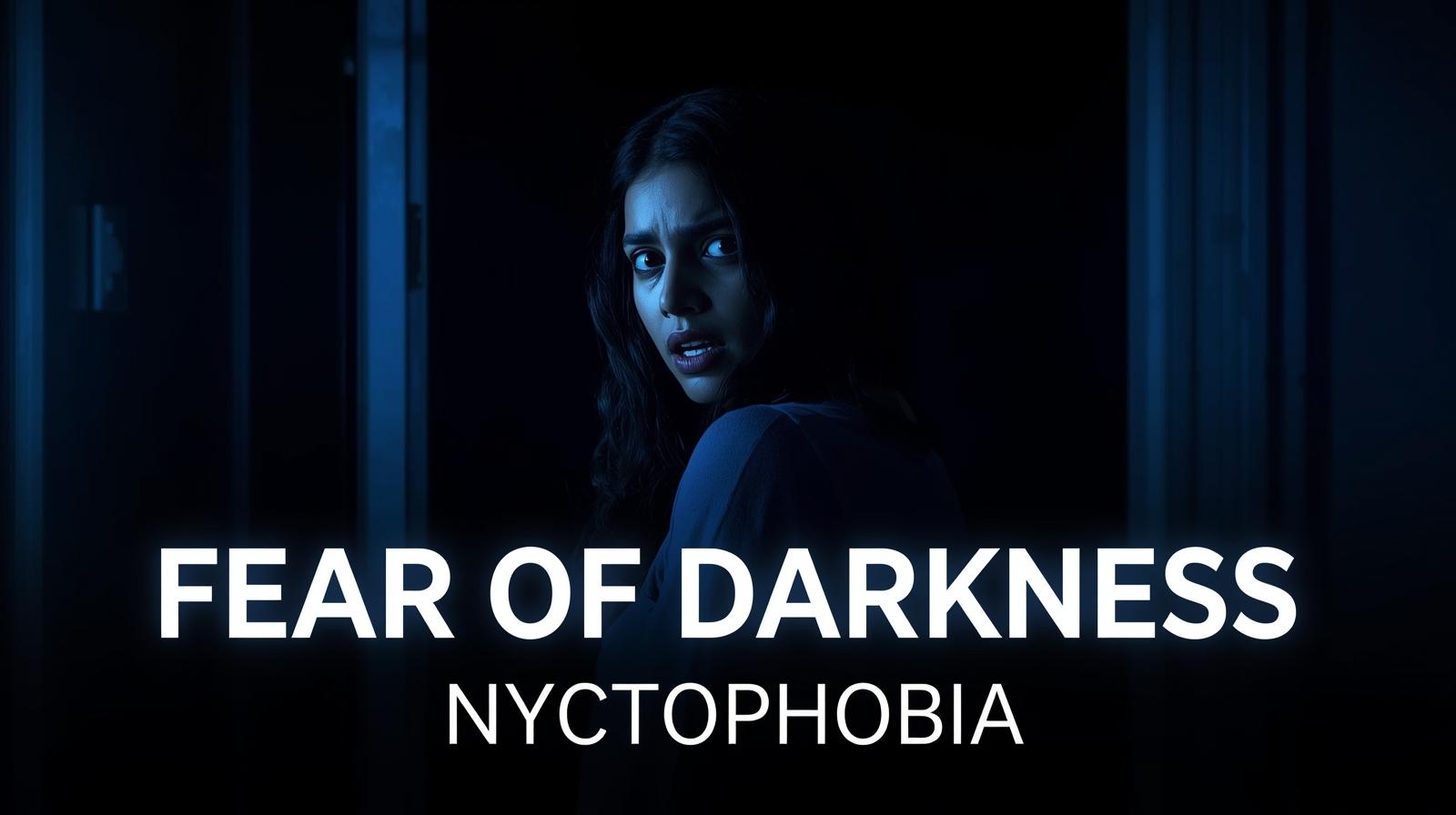
What Is Nyctophobia?
Nyctophobia is the intense fear of darkness or night-time situations. People with this fear often feel unsafe when visibility is low. Their mind becomes hyperactive, creating imagined threats or dangers. It is actually a complex emotional and neurological response that originates deep within the subconscious mind.
Common Symptoms of the Fear of Darkness
Symptoms of Nyctophobia appear both physically and emotionally.
People may experience:
-
Racing heartbeat when the lights go off
-
Difficulty sleeping without external light
-
Fear of being alone at night
-
Imagining unseen dangers in dark spaces
-
Sudden panic when walking through dim areas
-
Restlessness and hypervigilance
-
Repeated checking of rooms before sleeping
These symptoms develop because the brain switches to survival mode the moment darkness creates uncertainty.
Subconscious Reasons Behind the Fear of Darkness
The fear of darkness does not come from the dark itself. It arises from what the subconscious associates with darkness.
1. Fear of the Unknown
When the mind cannot see clearly, it fills the gaps with threats. This is a primitive survival instinct designed to protect us from danger in ancient times.
2. Emotional Imprints from Childhood
Childhood experiences—such as being left alone in the dark, frightening stories, loud noises at night, or sudden shocks—leave emotional memories. Even after growing up, the subconscious reactivates these memories whenever darkness appears.
3. Feeling Unsafe in Early Life
Children who lacked emotional protection often grow into adults who feel unsafe in the dark. Their subconscious mind connects darkness with vulnerability and helplessness.
4. Trauma Stored in the Subconscious
Traumatic events that happened at night or in darkness get imprinted in the emotional brain. The body remembers even if the mind has forgotten.
5. Hyperactive Imagination
Highly sensitive or creative individuals have vivid imaginations. In darkness, their mind exaggerates sounds, shadows, or movements, strengthening the fear of darkness.
6. Symbolic Meaning of Darkness
Darkness is often connected with the unknown, hidden emotions, or unresolved inner conflicts. People unknowingly fear their own internal “darkness,” and the outer darkness becomes a projection of those unprocessed feelings.
How to Overcome Nyctophobia
-
Use grounding techniques before sleep
-
Gradually reduce dependency on lights
-
Practice breathwork or guided relaxation
-
Identify past emotional memories connected with darkness
-
Seek professional help to release subconscious fears
-
Reprogram fear responses through hypnotherapy or therapeutic exposure
When treated at the emotional and subconscious levels, the fear of darkness becomes significantly easier to overcome.