
Fear of hospitals is more common than many people realize. For some individuals, the thought of visiting a hospital triggers intense anxiety, stress, or even panic. This fear can prevent people from seeking medical help, going for routine check-ups, or visiting loved ones admitted in hospitals. Understanding where this fear comes from and how to manage it is the first step toward healing.
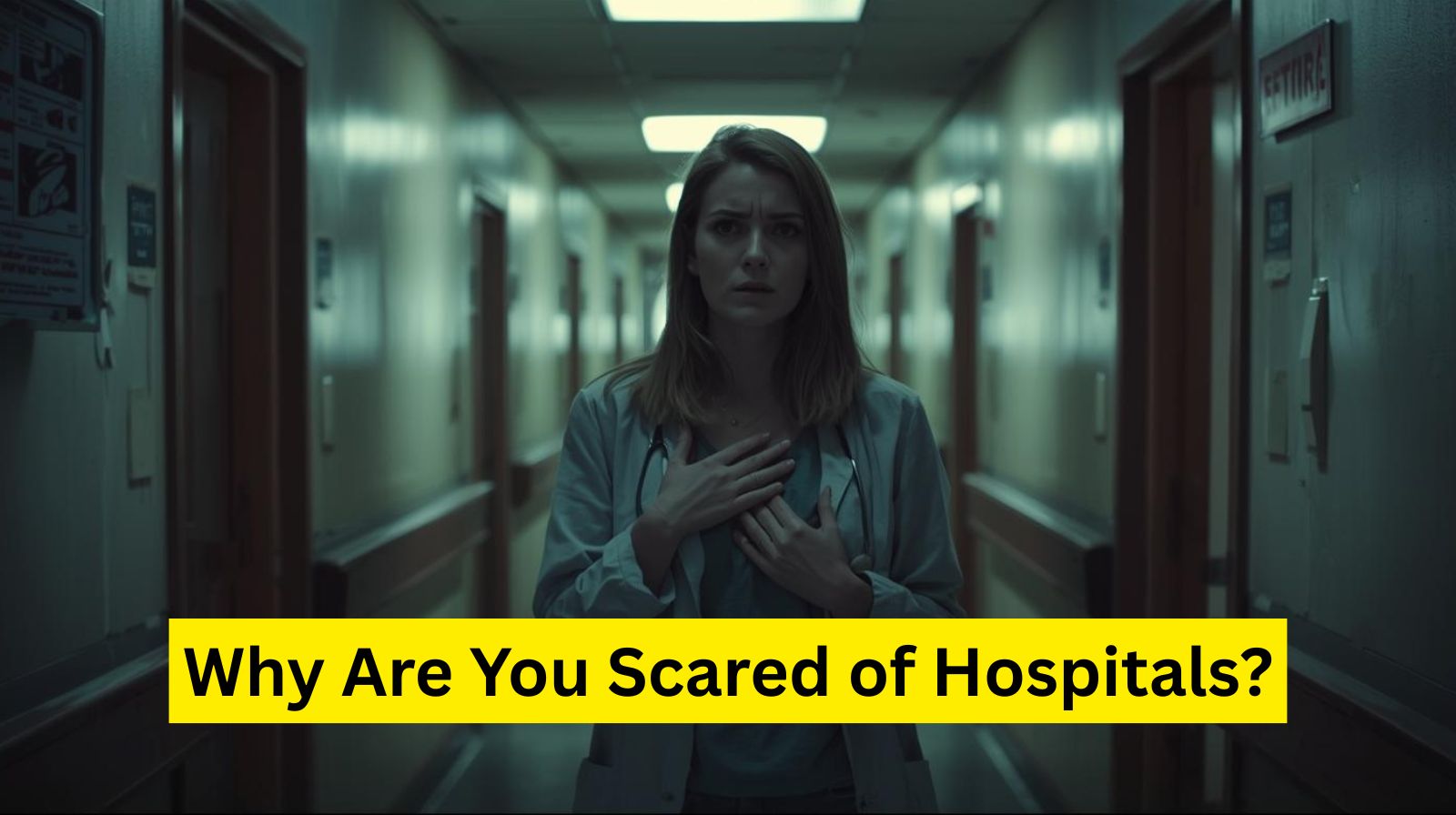
What is Nosocomephobia?
The fear of hospitals is known as Nosocomephobia. It involves a strong emotional and physical reaction when a person thinks about or enters a hospital environment. This fear is not just discomfort; it can be powerful enough to cause avoidance behavior even in emergencies. People with this fear often feel overwhelmed by hospital smells, sounds, medical staff, or the idea of illness and death.
Common Symptoms
People experiencing fear of hospitals may show:
-
Rapid heartbeat and shortness of breath
-
Sweating or trembling
-
Feeling faint or dizzy
-
Urge to leave the hospital quickly
-
Panic or emotional shutdown
-
Avoiding medical appointments or health check-ups
These reactions happen because the brain perceives the hospital as a danger zone.
Subconscious Causes Behind the Fear
The fear usually does not come from hospitals themselves. It comes from emotional memories stored in the subconscious mind.
1. Past Traumatic Experience
A painful personal or family hospital experience can form a lasting emotional memory. The subconscious begins linking hospital = danger.
2. Fear of Losing Control
Hospitals require you to trust doctors and medical staff. People who like being in control may feel helpless in this environment.
3. Association with Pain or Death
Hospitals are often connected with suffering, surgery, and loss. The mind forms a protective response to avoid these emotional reminders.
4. Childhood Influence
If parents or relatives spoke fearfully about hospitals, the child may internalise the same fear unconsciously.
How to Overcome the Fear of Hospitals
-
Acknowledge your feelings instead of suppressing them
-
Talk to a mental health professional to uncover root emotional memories
-
Practice deep breathing before entering hospital spaces
-
Gradual exposure therapy can slowly reduce anxiety
-
Inner emotional release therapies help change the subconscious association
Healing becomes possible when the emotional memory behind the fear is identified and processed.