🧠 What Is Bipolar Disorder?
Bipolar disorder is a complex emotional condition marked by extreme mood shifts — from high energy (mania or hypomania) to deep sadness (depression). These mood cycles are not random; they often reflect inner emotional conflicts and subconscious patterns developed over time. If you’ve ever asked yourself, “How do I know if I’m bipolar?”, it’s important to look beyond just surface symptoms and explore the subconscious roots behind these fluctuations.
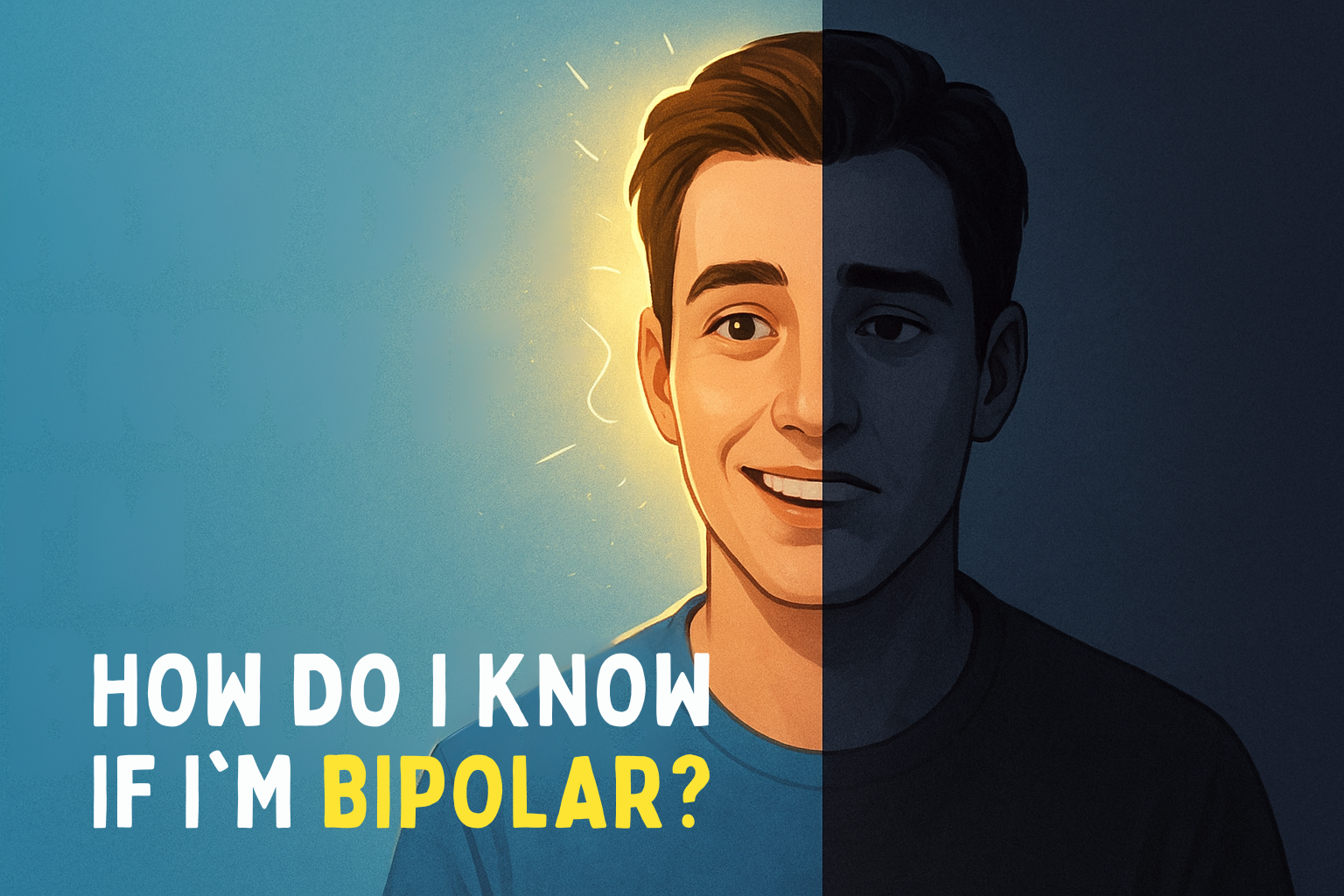
👩⚕️How Do I Know If I’m Bipolar?
⚡ Signs of Mania or Hypomania
During a manic or hypomanic phase, a person may feel unstoppable, overly confident, or intensely driven. Common signs include:
-
Feeling unusually excited or irritable
-
Needing very little sleep
-
Talking rapidly or jumping between topics
-
Having racing thoughts or unrealistic goals
-
Engaging in impulsive behaviors (spending, sexual risks, sudden decisions)
Subconscious Reason:
At a deeper level, mania can be the mind’s defense mechanism against deep emotional pain. When the subconscious feels trapped or powerless, it may create excessive energy or overconfidence as a way to avoid sadness, rejection, or feelings of inadequacy. The “high” becomes a psychological escape from unresolved emotional wounds.
🌧️ Signs of Bipolar Depression
The depressive phase is the emotional crash that follows the high. You may feel:
-
Deep sadness or emptiness
-
Fatigue and loss of motivation
-
Changes in appetite or sleep
-
Difficulty focusing or making decisions
-
Loss of interest in relationships or work
-
Hopelessness or thoughts of death
Subconscious Reason:
Depression often arises when the suppressed emotions that mania tried to escape — such as guilt, fear, or self-blame — surface again. The subconscious mind forces the body into rest and withdrawal to process emotions that have been ignored or denied for too long. It’s a form of emotional shutdown, asking for healing and attention.
🪞 The Subconscious Connection
In bipolar disorder, the mind constantly shifts between overcontrol (mania) and emotional shutdown (depression). Both states are subconscious survival strategies formed from earlier life experiences — such as emotional neglect, trauma, or conditional love. Healing begins when a person learns to reconnect consciously with their true emotions, rather than suppress or overcompensate for them.
🌿 Healing and Balance
Therapeutic methods like Cognitive Behavioral Therapy (CBT), hypnotherapy, and subconscious reprogramminghelp identify emotional triggers and release suppressed feelings. Balancing the mind and emotions through mindfulness, regular sleep, and emotional awareness can transform the pattern from instability to inner peace.