
Many people experience a strange emotional state after meeting someone at work, college, or a familiar social circle. A few conversations happen, the interaction feels pleasant, and suddenly something inside starts changing. Happiness increases, thoughts about that person become frequent, and their presence brings a special energy. In psychology, this intense emotional experience is called limerence.
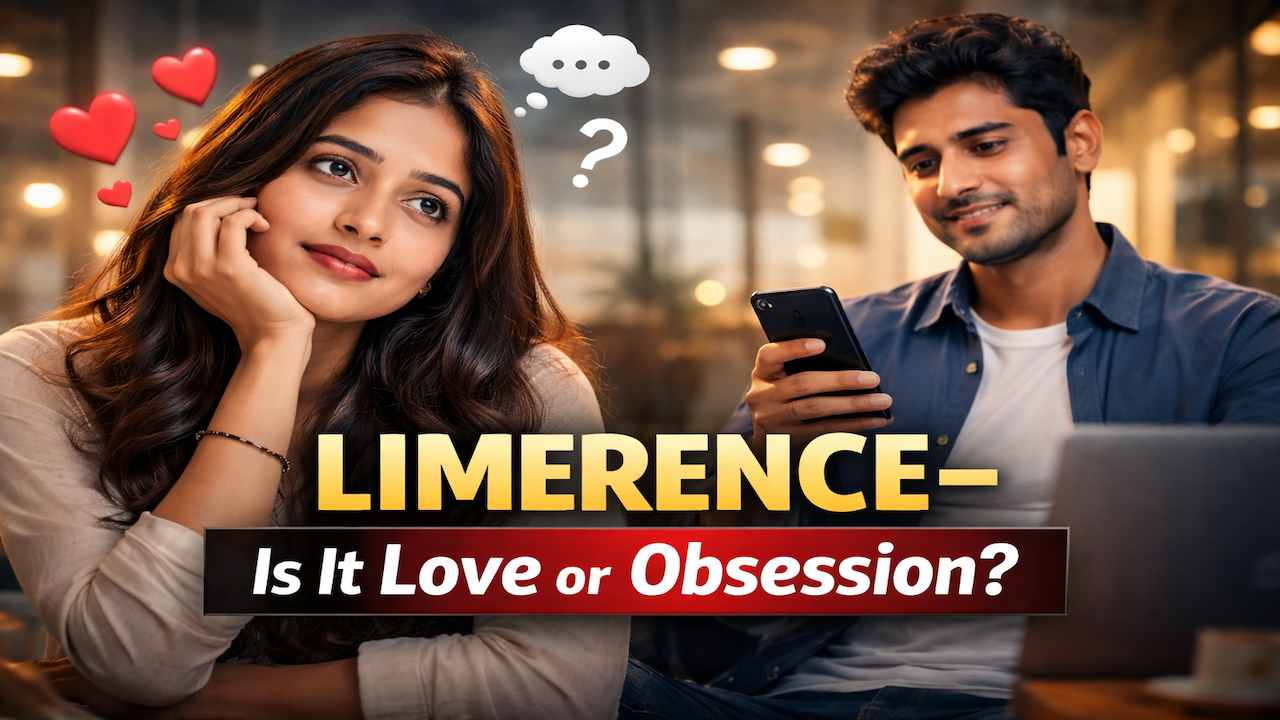
What is Limerence?
It is a psychological state of intense emotional attraction where a person becomes mentally preoccupied with someone. The mind constantly seeks signs that the other person might like them back.
A person experiencing this condition often feels sudden emotional highs when the person contacts them. A simple call or message can make the whole day feel exciting. At the same time, if there is no communication for some time, anxiety or sadness may appear.
This emotional fluctuation creates a powerful mental focus on that one person.
Common Signs of Limerence
-
Constantly thinking about the person
-
Feeling energetic and happy in their presence
-
Feeling empty or lonely when they are absent
-
Checking their social media profile frequently
-
Becoming anxious when there is no reply to messages
-
Feeling irritated with others who interrupt the connection
Even if many people are around, a person may still feel lonely when the limerent person is not present.
Who Can Experience Limerence?
Limerence can occur in different life situations. It may happen to someone who is single for a long time. It may also appear in people who are already in a committed relationship.
The mind does not always follow logical relationship boundaries. Emotional craving, curiosity, and attraction can trigger this state.
However, limerence usually has a short-term lifespan. In many cases, the emotional intensity fades when the uncertainty disappears.
Psychological Reasons Behind Limerence
Several psychological factors can increase the chances of experiencing limerence.
People who experienced childhood emotional wounds may become more vulnerable. Subconscious fears such as fear of rejection, fear of loneliness, or fear of losing attachment can strengthen the attraction.
Another important factor is uncertainty. The question “Does this person like me or not?” keeps the emotional excitement alive.
The brain releases dopamine during such moments of emotional anticipation. This chemical reward creates a temporary obsession that can feel similar to addiction.
Limerence vs Love
Many people confuse limerence with love, but the emotional experience is different.
Limerence is usually confusing, intense, and filled with anxiety. Love, on the other hand, feels stable and emotionally secure.
When a relationship becomes open, mutual, and stable, the confusion often disappears. The dopamine rush slowly reduces, and the emotional state becomes calmer.
When Should You Seek Help?
Sometimes limerence can push a person toward extreme emotional decisions. When the attachment feels uncontrollable or begins affecting daily life, professional guidance can help.
Psychological counselling can help a person understand their emotional cravings and balance their inner needs.
Ignoring such feelings may lead to emotional confusion where a person risks losing both existing stability and future clarity.