What is Phobophobia?
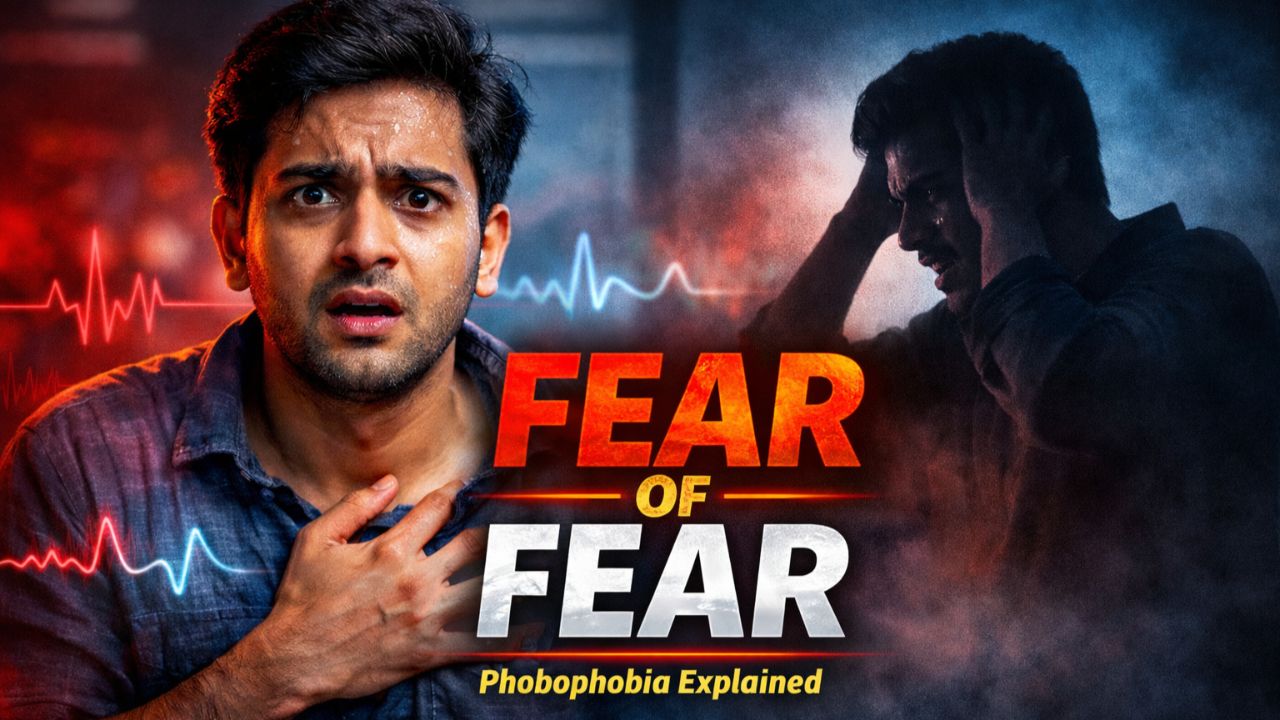
Phobophobia means the fear of fear itself, or more specifically, the fear of anxiety. In simple terms, a person becomes afraid of experiencing anxiety again. In our society, many people suffer from this problem, but they often do not realise what is happening to them.
People who have experienced anxiety or panic attacks earlier have a higher chance of developing this condition. After a frightening anxiety experience, the person starts worrying that the same feeling may come back at any time. This constant anticipation creates a strong fear of anxiety, which can affect daily life.
How the First Anxiety Experience Becomes Traumatic
Sometimes anxiety appears suddenly without a clear reason. When it happens for the first time, the person usually does not understand what is happening inside the body.
At that moment, the person only remembers intense physical sensations such as:
-
Fast heartbeat (chest pounding)
-
Difficulty breathing
-
Sweating
-
Shivering or trembling
-
Weakness or dizziness
Along with these symptoms, the person feels a strong fear that something terrible is about to happen.
Because there is no clarity about the situation, the experience can feel extremely disturbing. The person may feel like losing control or “going crazy.” This confusion itself makes the first episode very traumatic.
After that experience, many people start losing sleep, happiness, and confidence. The mind keeps remembering that frightening moment again and again.
Why the Fear of Anxiety Develops
For many people, the first sudden anxiety experience becomes a bigger trauma than the anxiety itself.
From that day onwards, a new fear begins:
“What if this anxiety happens again?”
This fear creates Phobophobia, or the fear of anxiety.
Most phobias have an external trigger. For example, a person may fear dogs, heights, or darkness. In those cases, the trigger exists outside the body.
But in Phobophobia, the trigger is internal.
Even small changes inside the body can trigger fear. A slight increase in breathing rate, faster heartbeat, or mild nervousness can make the person think anxiety is starting again. This thought increases fear, which then increases the physical symptoms.
In some cases, this cycle can even lead to a panic attack.
Why Phobophobia Feels More Complicated
Compared to other phobias, fear of anxiety feels more complicated because the trigger comes from inside the body.
For example, someone with a dog phobia becomes afraid only when they see a dog. But a person with Phobophobia may become anxious just by noticing their own heartbeat or breathing pattern.
In simple words, other people fear external objects, but people with Phobophobia fear their own body sensations.
This makes the fear cycle stronger if the problem remains untreated.
Can the Fear of Anxiety Be Treated?
The good news is that Phobophobia is treatable. With proper psychological understanding and guidance, people can break the fear cycle.
Professional consultation helps individuals understand their anxiety, reduce fear responses, and retrain the mind to react calmly. If a person ignores the problem, the fear of anxiety may slowly increase with age.
Early awareness and proper support can help people regain confidence, peace of mind, and emotional stability.