
Psychological projection is one of the most common defence mechanisms in human behaviour. Many relationship conflicts, workplace misunderstandings, and family arguments happen because people project their own feelings onto others. When we fail to accept certain emotions within ourselves, we often see them in someone else.
Understanding this can improve emotional intelligence and strengthen relationships. It helps us take responsibility for our inner world instead of blaming others unnecessarily.
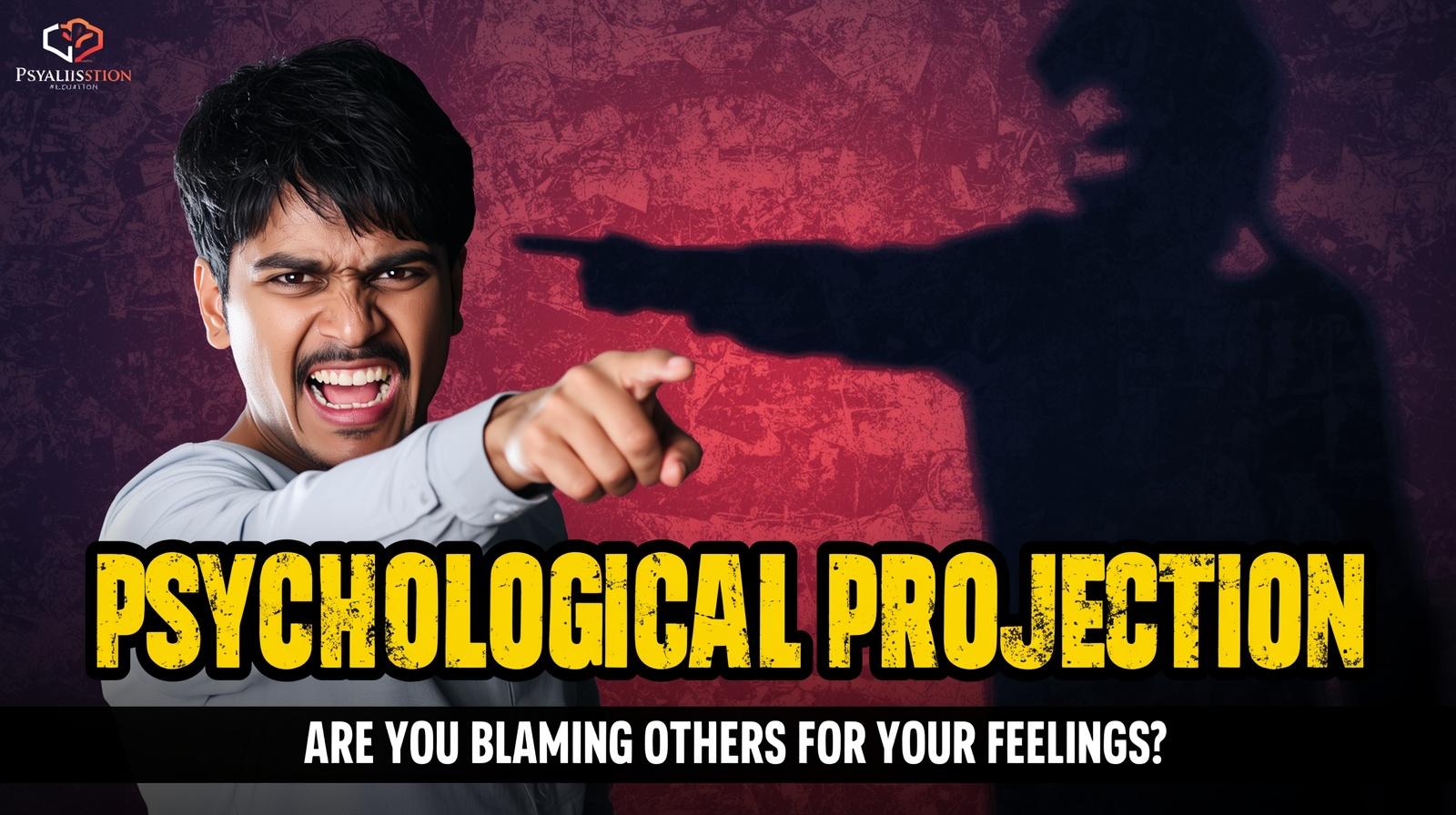
What Is Psychological Projection?
It occurs when a person attributes their own unwanted thoughts, feelings, or traits to another person. Instead of accepting “I feel insecure,” the mind says, “You are insecure.” Instead of admitting anger, a person may accuse others of being angry.
The concept of projection was introduced by Sigmund Freud, who described it as an unconscious defence mechanism. The mind protects the ego by shifting uncomfortable emotions outward. This process happens automatically. Most people do not realise they are doing it.
Why Does Psychological Projection Happen?
The mind wants to maintain a positive self-image. When certain feelings threaten that image, projection becomes a quick escape.
Common triggers include:
-
Jealousy in relationships
-
Guilt about personal behaviour
-
Hidden anger
-
Low self-esteem
-
Fear of rejection
For example, a partner who feels attracted to someone else may accuse their spouse of being unfaithful. A person who struggles with dishonesty may constantly suspect others of lying.
Psychological projection gives temporary emotional relief, but it damages trust in the long term.
Signs You Are Experiencing Psychological Projection
Recognising projection requires self-awareness. Some common signs include:
-
Frequent blaming without clear evidence
-
Strong emotional reactions to small issues
-
Repeatedly accusing others of the same behaviour
-
Feeling triggered by traits that reflect your own weaknesses
When emotional intensity feels disproportionate to the situation, projection may be involved.
Psychological Projection in Relationships
In close relationships, psychological projection appears more often because intimacy activates deep fears and insecurities. Couples may fight over issues that actually belong to their personal emotional history.
For example, someone with abandonment fears may constantly accuse their partner of planning to leave. In reality, their fear comes from past experiences, not present facts.
If partners identify projection early, they can transform conflict into growth. Honest communication reduces misunderstandings and builds emotional maturity.
How to Reduce Psychological Projection
Managing projection requires conscious effort. Here are practical steps:
-
Pause before reacting emotionally.
-
Ask yourself, “Is this feeling truly about the other person?”
-
Reflect on similar patterns in your past.
-
Accept uncomfortable emotions without judgment.
-
Seek therapy if patterns repeat frequently.
When you own your emotions, you reduce projection automatically. Emotional responsibility strengthens confidence and clarity.
Conclusion
Psychological projection is not a sign of weakness. It is a natural defence mechanism that protects the ego from discomfort. However, long-term emotional growth requires awareness. When we recognise our projections, we stop blaming others and start healing ourselves.
By understanding psychological projection, we build healthier relationships, stronger self-awareness, and deeper emotional stability.