
What Is Pyromania?
It is a rare psychological condition classified under impulse control disorders. It involves a repeated urge to deliberately set fires for emotional gratification rather than personal, financial, or political reasons. People with pyromania feel intense tension before the act and a sense of relief or pleasure afterward. Unlike arson, pyromania is not motivated by revenge or gain—it’s a psychological compulsion rooted in emotional and subconscious factors.
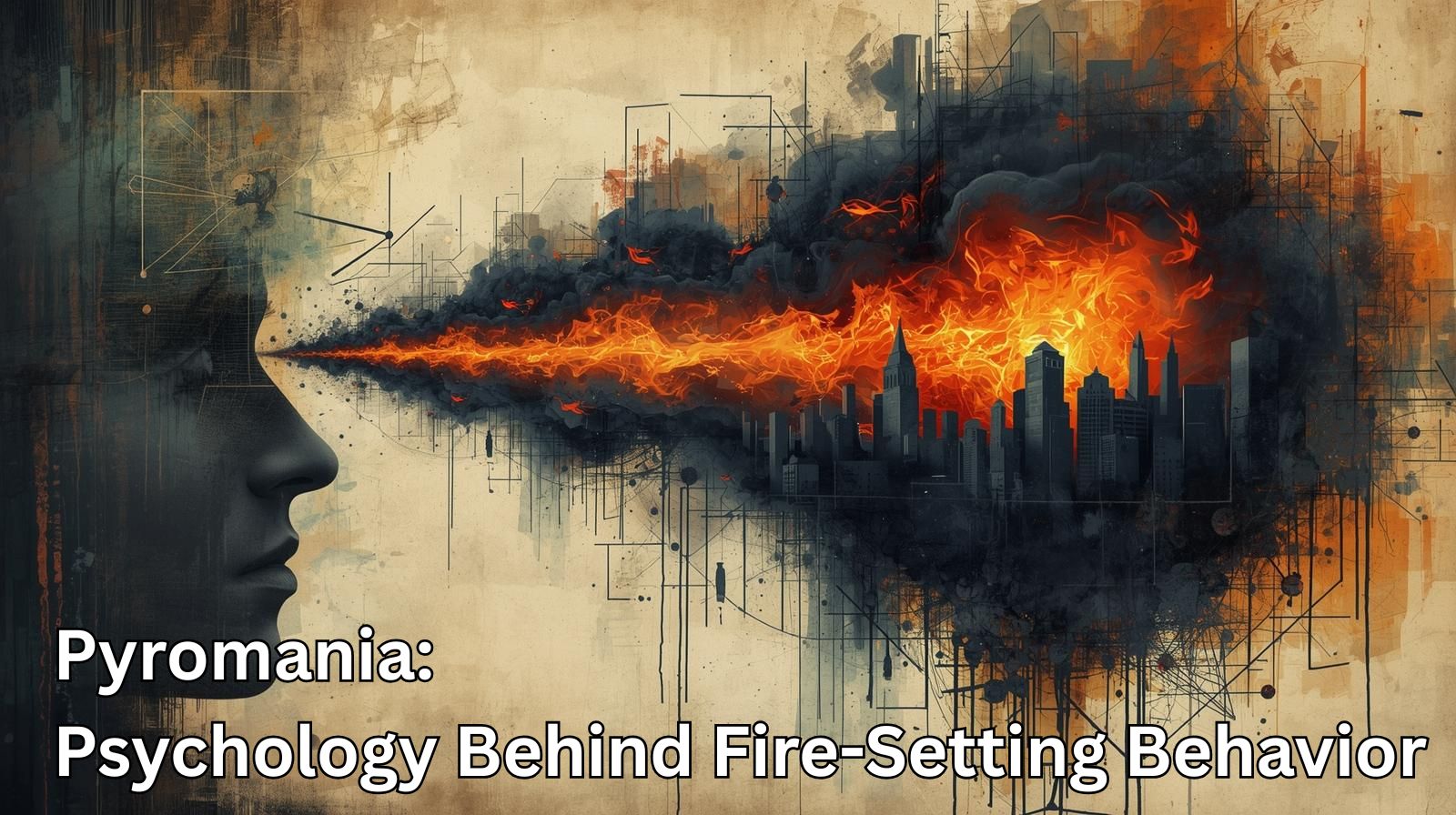
The Emotional Cycle of Pyromania
Individuals with pyromania often experience a build-up of internal tension or restlessness before setting a fire. The act of ignition temporarily releases this pressure, leading to a feeling of calm, excitement, or satisfaction. This creates a psychological loop—tension builds, fire-setting occurs, relief follows—reinforcing the behavior over time. In many cases, people describe a fascination with fire from childhood, watching flames or destruction with a sense of awe or comfort.
Possible Psychological Causes
It may develop due to deep-seated emotional conflicts or unresolved trauma. For some, fire represents power, control, or purification. It may serve as a symbolic release of suppressed anger, pain, or helplessness. Research also links pyromania to imbalances in brain chemistry, particularly in areas controlling impulses and emotional regulation. Childhood neglect, exposure to fire, or witnessing violence can also contribute to this condition.
Signs and Symptoms
-
Repeated deliberate fire-setting without clear motive
-
Emotional arousal or anxiety before the act
-
Pleasure, relief, or fascination with fires and firefighting
-
Frequent interest in fire-related media or events
-
Lack of guilt or awareness of the danger caused
These behaviors are not due to other disorders such as conduct disorder, antisocial behavior, or substance use.
Treatment and Recovery
Treatment for pyromania involves addressing both impulse control and underlying emotional issues.
-
Cognitive Behavioral Therapy (CBT) helps individuals identify triggers, reframe thoughts, and manage impulses.
-
Psychodynamic therapy explores early emotional experiences linked to fire fascination.
-
In some cases, medications may be prescribed to balance mood or control impulsivity.
With consistent therapy, many individuals can learn to redirect their emotions into safe and creative outlets.