Understanding Stage Fear Beyond the Stage
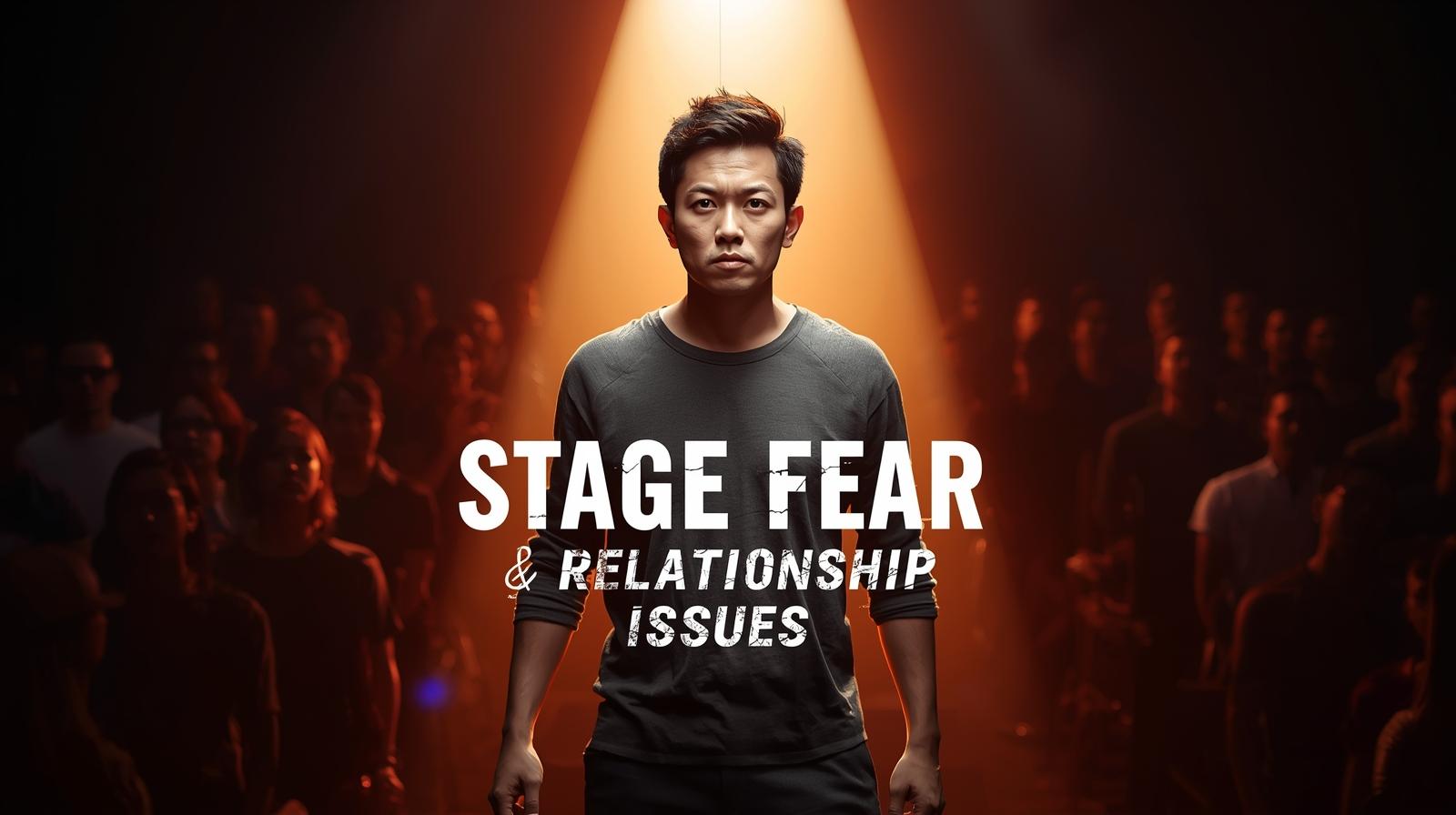
Stage Fear & Relationship Issues does not belong only to childhood. Almost everyone experiences it at some point in life. For many people, stage fear continues well into adulthood. Stage fear means the fear of speaking, performing, or expressing oneself in front of others. It affects both men and women and is strongly linked to anxiety. The roots of stage fear usually lie in early life experiences, where fear of judgment, punishment, failure, or rejection gets stored emotionally.
Stage fear and relationship issues often grow together because both involve exposure, vulnerability, and emotional safety. When a person feels unsafe being seen or evaluated, the fear does not remain limited to public situations alone.
Psychological Roots of Stage Fear
In most cases, stage fear develops from childhood environments where mistakes were criticized, emotions were invalidated, or performance decided self-worth. The subconscious mind learns that visibility is dangerous. As a result, fear of performance, fear of failure, fear of rejection, and fear of judgment become automatic responses.
People with stage fear often avoid situations that demand expression. Avoidance provides temporary relief, but it strengthens anxiety over time. This pattern slowly expands into multiple life areas, including career and relationships.
Stage Fear and Relationship Issues
More than 50% of people with persistent stage fear experience relationship difficulties. Relationships require emotional exposure, communication, and acceptance. These elements trigger the same fear circuits as public performance.
For men, anxiety may affect physical intimacy. Performance anxiety can lead to erection difficulties, loss of confidence, and fear of sexual failure. This further increases emotional withdrawal and avoidance.
For women, stage fear often shows up as reduced interest in intimacy, emotional distancing, and constant self-doubt. Thoughts like “Am I good enough for my partner?” or “Will I be judged?” become common. These thoughts slowly weaken emotional bonding.
Stage fear and relationship issues reinforce each other unless addressed at the emotional level.
Impact on Workplace and Daily Life
Stage fear does not stop at relationships. In the workplace, it creates insecurity, fear of speaking up, difficulty handling evaluations, and constant self-monitoring. Opportunities may be avoided due to fear rather than lack of ability.
When avoidance becomes impossible, continuous overthinking begins. The nervous system stays in a constant state of alert. Over time, this pattern may develop into generalized anxiety disorder, affecting sleep, focus, and emotional stability.
Why Avoidance Never Solves Stage Fear
Avoidance teaches the mind that fear is stronger than capability. Each avoided situation increases anxiety sensitivity. Life becomes smaller, controlled by fear-based decisions.
Growth happens by gently facing what feels impossible. Stage fear and relationship issues improve when emotional safety is rebuilt from within, not through force or suppression.
Healing Stage Fear at Its Root
True change occurs when the emotional memory behind fear is processed. Techniques that work at the subconscious level help release stored fear responses. Confidence grows naturally when the nervous system no longer perceives exposure as danger.
Life is not meant for running away from fear. It is meant for learning how to move through it. Support is available, and help exists for those who seek it. The first step begins when you decide that change matters more than comfort.