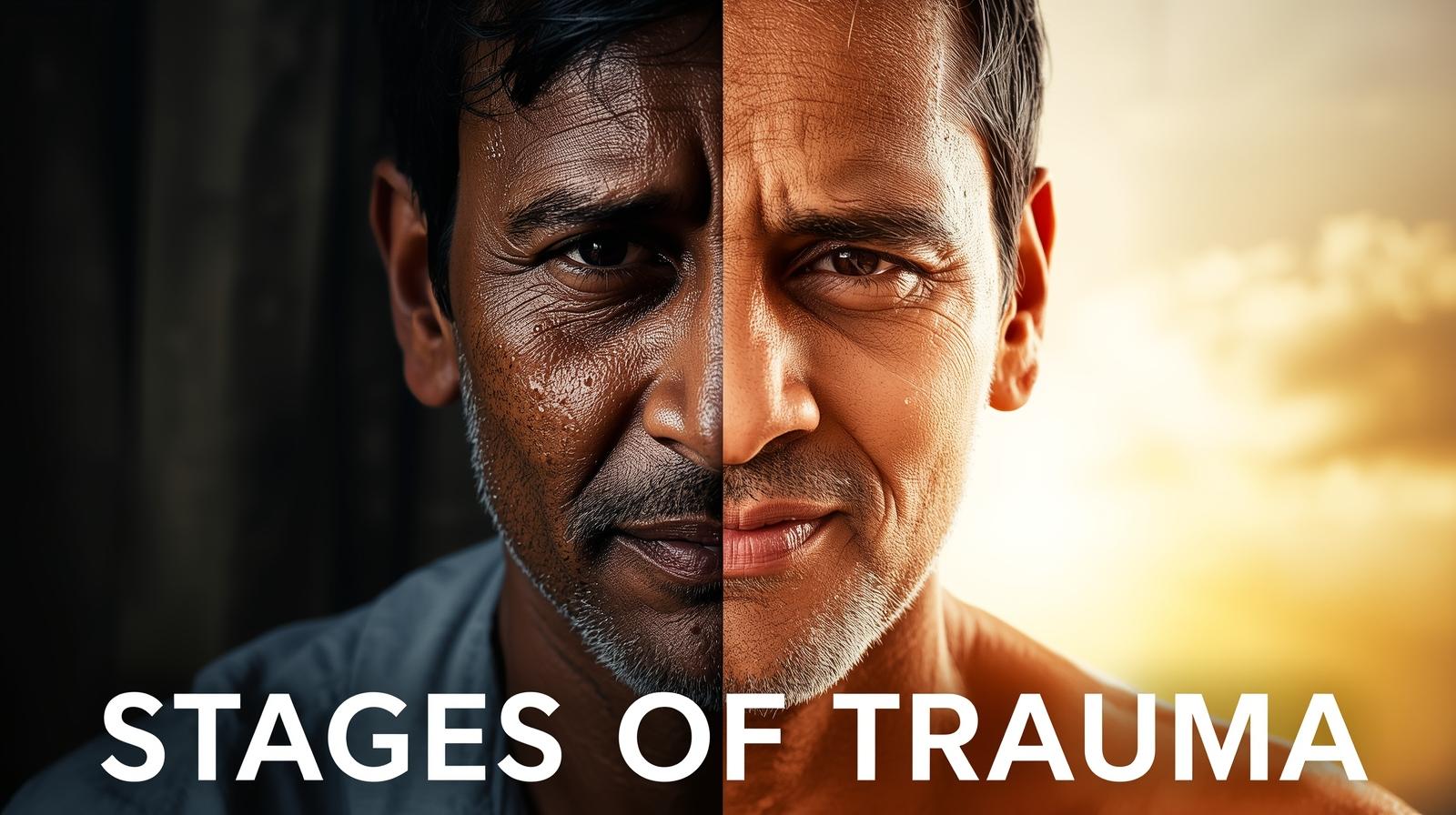
Trauma is a powerful emotional wound that can change how a person thinks, feels, and reacts to life. Whether caused by loss, abuse, accident, or a life-threatening event, trauma affects both the mind and body. Understanding the stages of trauma helps individuals recognize their experiences and begin the journey toward recovery.
1. Shock and Denial
The first stage of trauma is marked by shock and disbelief. People often feel numb, detached, or unable to process what has happened. The mind uses denial as a defense mechanism to temporarily block overwhelming emotions.
2. Emotional Overload
Once the initial shock fades, strong emotions such as fear, sadness, anger, or guilt may arise. During this stage, individuals may experience panic attacks, restlessness, or uncontrollable crying. The body often remains on high alert, leading to sleep disturbances and physical stress.
3. Withdrawal and Intrusion
This stage is characterized by pulling away from others and avoiding reminders of the trauma. At the same time, the traumatic memory may intrude in the form of flashbacks or nightmares. This push-and-pull between avoidance and reliving the event can be exhausting and confusing.
4. Processing and Meaning-Making
Gradually, individuals start to revisit the memory of the trauma and search for meaning. This stage may bring self-blame (“What if I had done things differently?”) or reflection on life changes. Talking about the experience and seeking professional support often begins here.
5. Adjustment and Coping
At this stage, people learn to manage symptoms and develop healthier coping strategies. Therapy, mindfulness, and support groups can help in regaining emotional stability. Small improvements in daily functioning mark progress toward recovery.
6. Integration and Healing
The final stage of trauma involves acceptance and integration. While the memory of the trauma remains, it no longer dominates daily life. Individuals rebuild trust, regain emotional balance, and often discover resilience or personal growth through their experience.
Final Thoughts
Healing from trauma is not always linear—people may move back and forth between stages. With patience, self-care, and professional support, the journey from pain to resilience becomes possible. Recognizing the stages of trauma is the first step toward reclaiming strength and emotional well-being.