Understanding What Is Emotions
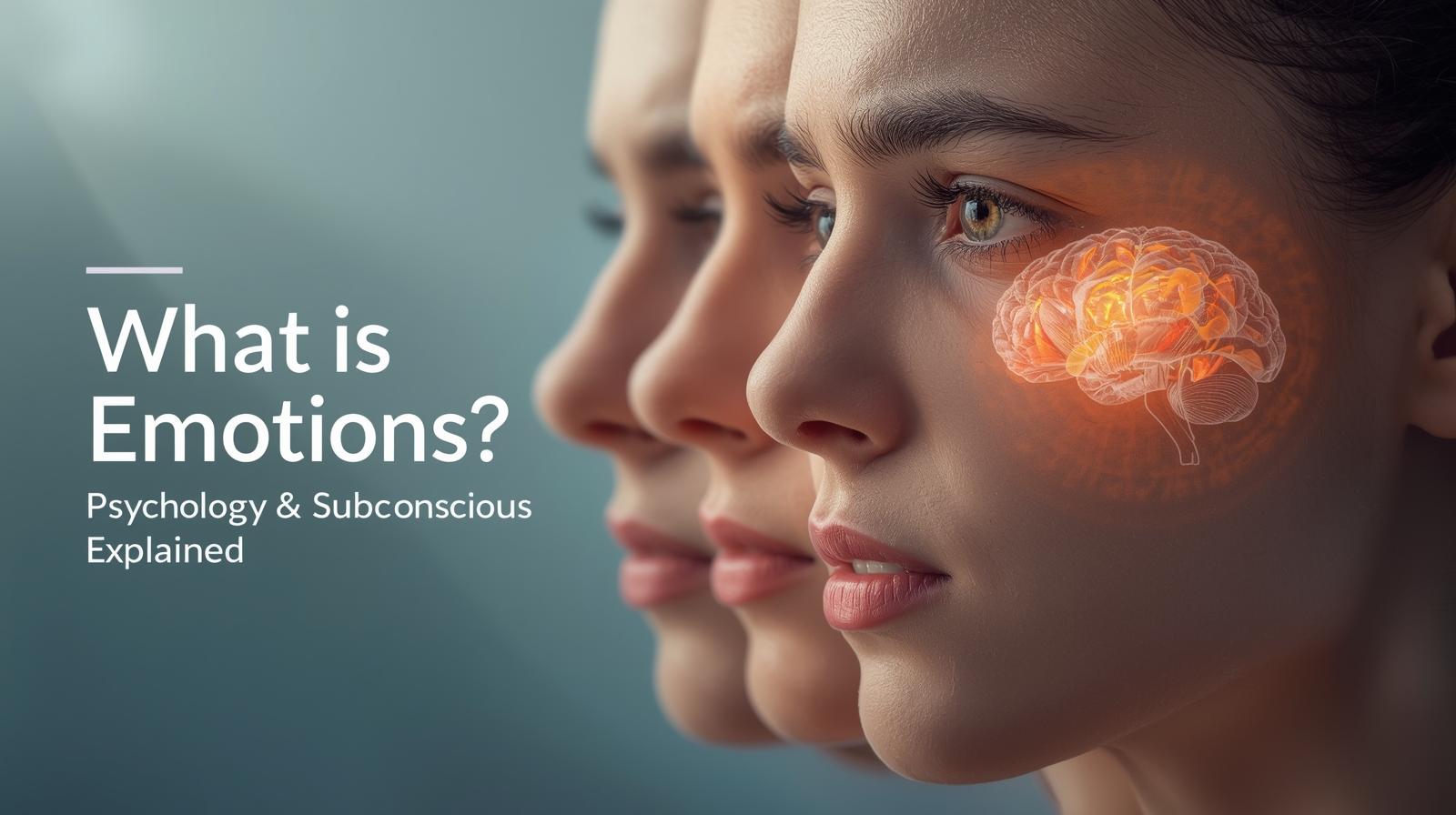
In psychology, it is defined as complex psychological states involving three core components: subjective experience, physiological response, and behavioural expression. Simply put, emotions are how your mind and body respond to what’s happening inside or around you. They guide decisions, shape relationships, and influence health more than most people realize.
When you feel happiness, sadness, fear, or anger, your body releases specific chemicals and hormones that prepare you to act. These emotional reactions are not random—they are deeply wired survival mechanisms that help you adapt to life situations.
According to the American Psychological Association, it is “a state of feeling that results in physical and psychological changes that influence thought and behavior.” That means emotions don’t just happen in your mind—they affect your entire nervous system, heart rate, breathing, and even digestion.
The Subconscious Side of Emotions
At the subconscious level, emotions are powerful communication signals from the deeper mind. Every emotion points toward a need, fear, or belief that lies beneath conscious awareness. When you ignore or suppress emotions, the subconscious tries to communicate more loudly—sometimes through anxiety, physical pain, or sudden mood swings.
For instance:
-
Unexpressed anger might resurface as irritation or headaches.
-
Suppressed sadness can lead to emotional numbness or fatigue.
-
Hidden fear of rejection might cause over-pleasing behavior in relationships.
The subconscious mind doesn’t judge emotions as “good” or “bad.” Instead, it uses them to maintain internal balance. Understanding what each emotion truly means helps you resolve the inner conflicts that create emotional distress.
Emotional Awareness and Healing
Emotional awareness is the ability to recognize and name what you’re feeling without judgment. It’s the first step toward emotional regulation and healing. When you consciously listen to your emotions, you can decode what your subconscious is trying to tell you.
For example, when you feel anxious before a social event, instead of labeling it as “bad,” ask yourself, “What is my fear trying to protect me from?” This approach transforms emotions from obstacles into opportunities for self-understanding.