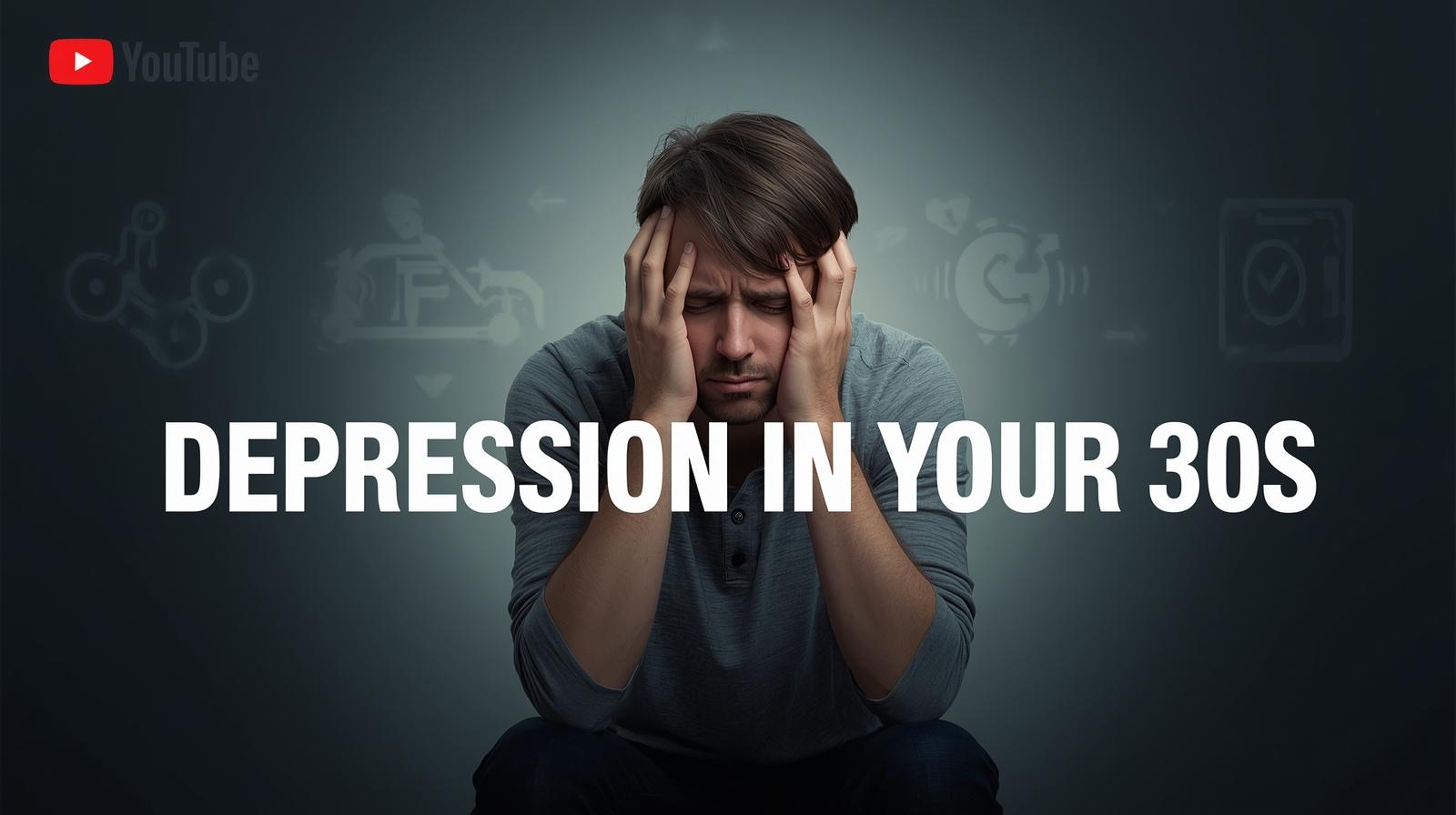
Many people believe that the solution to depression is simple: go on a tour, exercise regularly, stay physically active, or keep yourself busy. These suggestions sound logical, but they often fail in real life. The harsh reality is that most people with depression do not feel like doing any of these things. This gap between advice and experience becomes especially visible in Depression in 30s, where emotional complexity is high.
In the majority of cases, depression in this age group does not arise from a single cause. Instead, three major factors usually appear together: identity crisis, stress, and anxiety.
Identity Crisis: The Hidden Core of Depression
An identity crisis is one of the most overlooked roots of depression. Common thoughts include: “What am I good for?” “What should I do?” “I don’t know what I want.” These thoughts reflect a lack of clarity about one’s current role in life.
Women are especially vulnerable. Many women juggle multiple roles at the same time—career professional, wife, mother, daughter. When these roles overlap without emotional clarity, feelings become confused. A woman may start believing that she is failing in every role, even when she is not. This internal conflict strongly contributes to Depression in 30s.
Men experience a similar struggle. Roles such as career provider, husband, father, and son often peak between the ages of 30 and 40. When expectations collide, the mind starts feeling trapped.
Stress from Every Direction
Stress naturally follows an identity crisis. Once a person feels unclear about their role, every external demand becomes overwhelming. Pressure may come from the workplace, parents, spouse, or children. The mind stays in a constant state of alertness.
In this phase, stress does not feel productive. It feels suffocating. The person feels that no matter what they do, it is never enough. This chronic pressure strengthens Depression in 30s, especially when emotional support is missing.
Anxiety, Trauma, and the Locked Mind
Childhood trauma and unresolved subconscious fears often intensify anxiety. When anxiety joins stress and identity confusion, the mind can feel “locked.” Decision-making becomes difficult. Emotional numbness may appear.
At this stage, the desire to escape may arise. Escape does not always mean wanting to die; it often means wanting to disappear from the world. Suicidal thoughts can develop when the mind sees no exit from internal pain.
Why Exercise and Travel Alone Are Not Enough
Travel and exercise can help only after emotional clarity begins. Without resolving identity confusion, these activities feel forced and meaningless. Motivation cannot grow in a confused mind.
The first step toward recovery is identifying one primary role and grounding thoughts there. The person must accept the stress required for that role and consciously ignore unnecessary pressures from others.
The Importance of Professional Consultation
In most cases, this process cannot be done alone. Professional consultation helps untangle identity conflicts, reduce subconscious anxiety, and restore emotional direction. It is important to note that under certain conditions, women may have a higher risk of depression than men due to layered emotional and social expectations.
Depression in 30s requires understanding, not oversimplified advice.