
Many people believe emotional trauma develops only after major events such as accidents, abuse, natural disasters, or war. While these experiences can certainly be traumatic, the emotional trauma causes are often much broader. Repeated emotional experiences that overwhelm a person’s ability to cope can also leave lasting psychological wounds.
Understanding these hidden causes helps people recognise why they struggle with anxiety, low confidence, relationship problems, or emotional distress even years after the original experience.
What Is Emotional Trauma?
Emotional trauma is a lasting psychological response to an experience that feels overwhelming, frightening, deeply distressing, or emotionally painful. Trauma is not defined only by the event itself but also by how it affects the person’s mind, emotions, behaviour, and daily functioning.
Two people may go through the same situation, yet only one may develop trauma. Personal resilience, age, emotional support, and previous life experiences all influence the outcome.
Common Emotional Trauma Causes
Several experiences can contribute to emotional trauma, even if they do not appear severe from the outside.
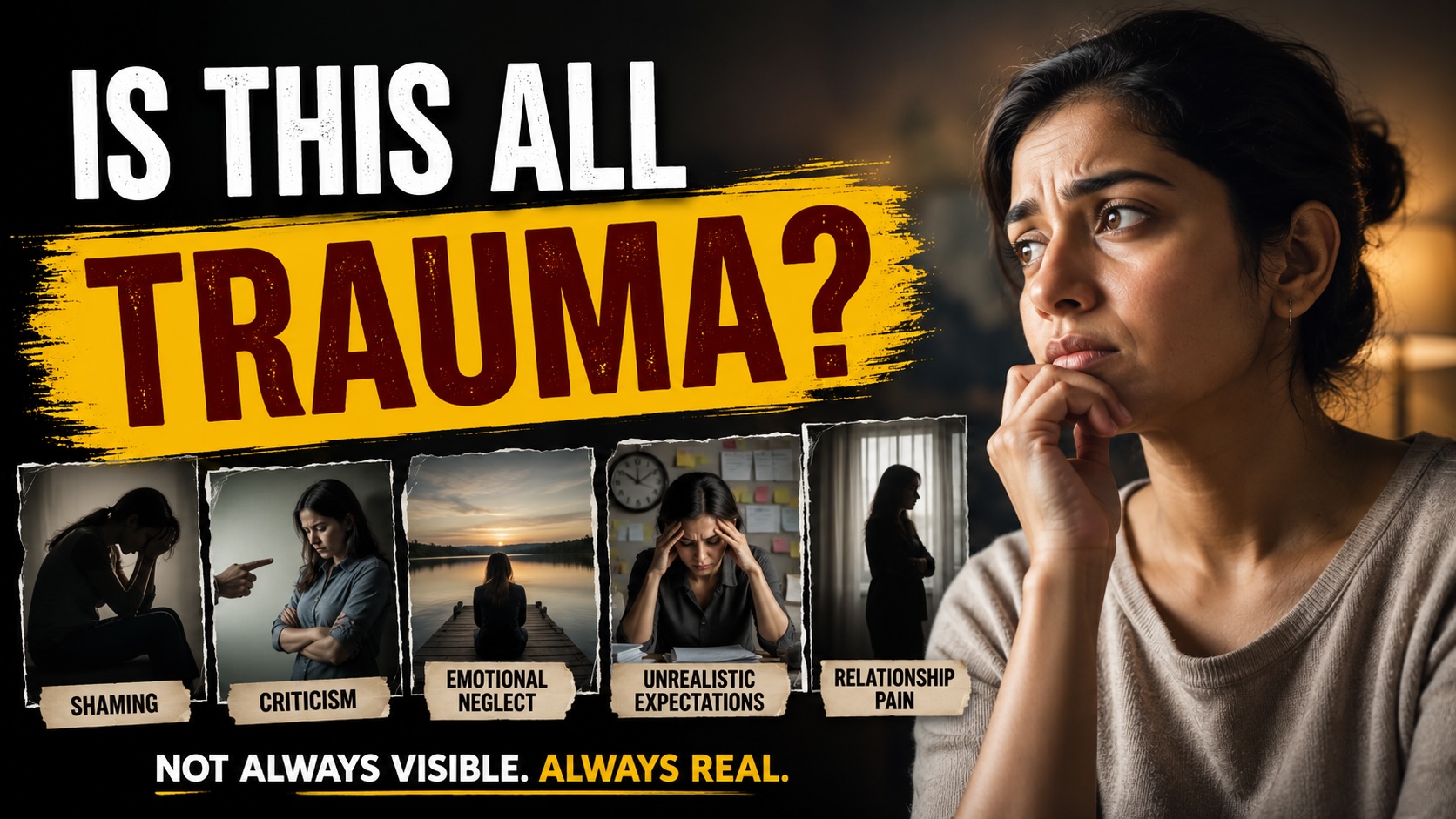
Repeated Criticism and Shaming
Children and adults who face constant criticism, humiliation, or public embarrassment may begin to believe they are not good enough. Over time, these repeated experiences can damage self-esteem and create persistent feelings of shame.
Emotional Neglect
A person may receive food, education, and shelter but still experience emotional neglect if their feelings are ignored or dismissed. Growing up without emotional validation can affect confidence, relationships, and emotional regulation.
Bullying and Social Rejection
Bullying at school, workplace harassment, or repeated social rejection can create fear, self-doubt, and avoidance. These experiences often continue to influence a person’s behaviour long after they end.
Family Environment
Living in a home filled with frequent conflict, unpredictable behaviour, or constant fear can place continuous stress on the nervous system. Children are especially vulnerable because they depend on their caregivers for emotional safety.
Unrealistic Expectations
Some individuals grow up believing they must always be perfect, never disappoint others, or constantly please everyone. Although these expectations may seem harmless, they can become emotionally overwhelming and contribute to long-term psychological distress when mistakes feel unacceptable.
How Emotional Trauma Affects Daily Life
The effects of emotional trauma causes often appear in unexpected ways. A person may experience intrusive memories, anxiety, difficulty trusting others, emotional numbness, people-pleasing behaviour, perfectionism, or low self-confidence. Some individuals also develop sleep disturbances, physical tension, or difficulty managing emotions during stressful situations.
Recognising these patterns is the first step towards healing.
Can Emotional Trauma Be Treated?
Yes. Recovery is possible with the right support. Counselling, cognitive behavioural therapy (CBT), trauma-focused therapies, and clinical hypnotherapy may help individuals process painful experiences and develop healthier coping strategies. Seeking professional help early can prevent emotional difficulties from affecting work, relationships, and overall wellbeing.
Final Thoughts
The emotional trauma causes are not limited to dramatic life events. Repeated criticism, emotional neglect, bullying, unhealthy family environments, and unrealistic expectations can also leave lasting emotional wounds. If past experiences continue to influence your thoughts, emotions, or behaviour, professional guidance can help you understand those patterns and move towards recovery.