
Have you ever remembered something embarrassing that happened years ago and suddenly experienced the same feeling again? Sometimes, you may not even consciously think about the incident. It simply comes into your mind and makes you uncomfortable.
Why does this happen? And How to Overcome Embarrassment when an old memory still affects your confidence?
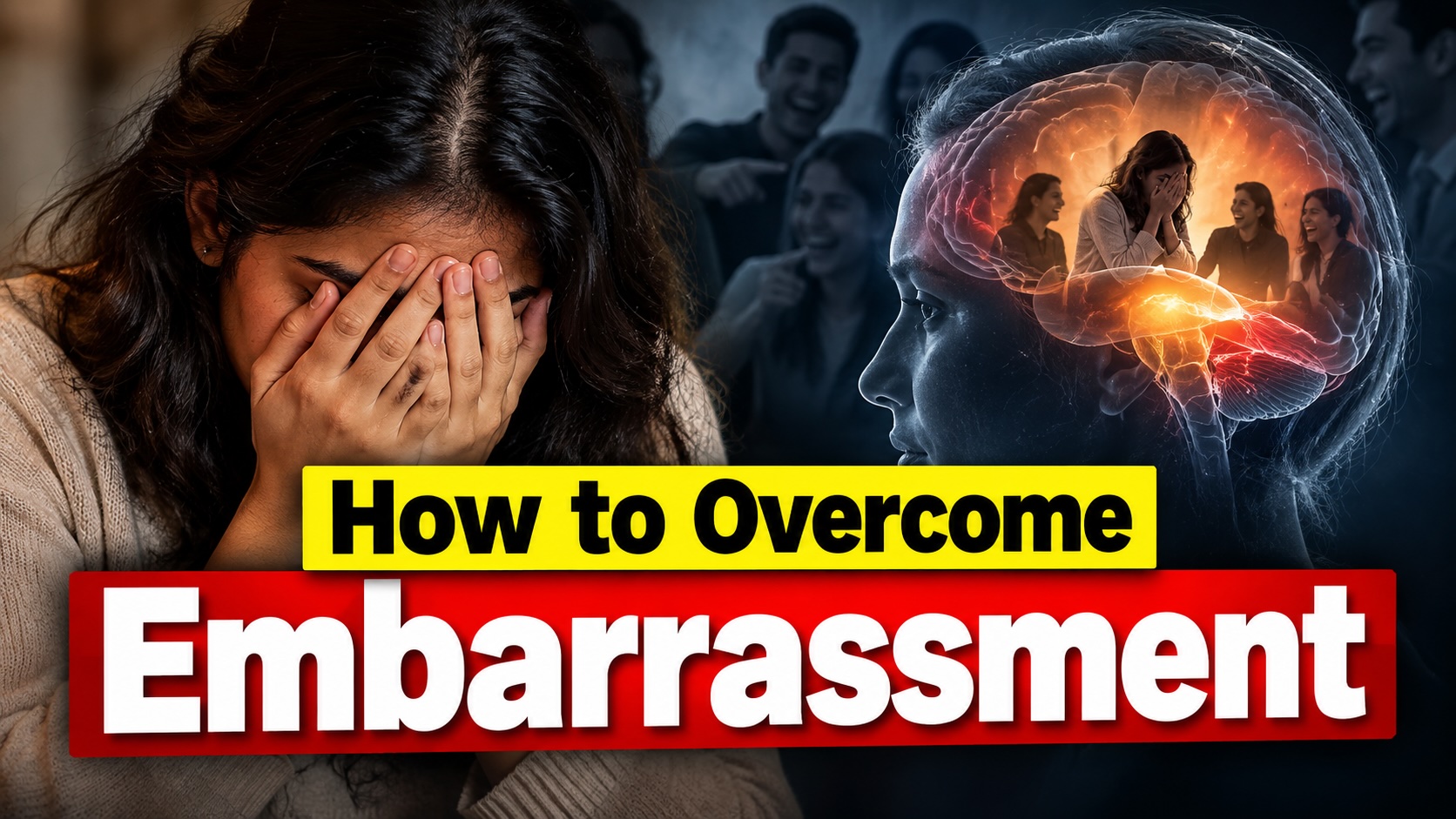
Why Do Embarrassing Memories Feel So Powerful?
Embarrassing experiences often involve several emotions at the same time. You may experience shame, fear, anxiety, sadness, rejection, confusion or helplessness within a few moments.
This combination can make the experience emotionally intense. When an event carries strong emotional significance, your brain may encode it as an important memory. Later, situations that resemble the original experience can trigger the memory again.
For example, if you once made a mistake while speaking in front of a group and people laughed, you may later feel uncomfortable whenever you have to speak publicly. Your brain may connect public speaking with the possibility of embarrassment.
The Questions That Keep the Memory Alive
After an embarrassing experience, the mind may repeatedly ask questions such as:
- “Why did they laugh at me?”
- “What did I do wrong?”
- “What if it happens again?”
- “How will I face them?”
- “What will people think about me?”
When these thoughts become repetitive, the original experience can continue to influence your behaviour.
You may start avoiding social situations, speaking less, refusing opportunities or worrying excessively about how others perceive you. Over time, this can affect self-esteem, self-confidence and social functioning.
Why Do We Feel Everyone Remembers Our Mistake?
One important psychological phenomenon involved here is the spotlight effect. We often overestimate how much other people notice our appearance, mistakes and behaviour.
You may remember your embarrassing moment for years, while the people who witnessed it may have forgotten it much earlier.
Your brain gives the memory importance because you experienced the emotions personally. That does not mean everyone else continues to think about it.
How to Overcome Embarrassment and Reduce Avoidance
Learning How to Overcome Embarrassment involves more than simply telling yourself, “Forget it.”
First, recognise the emotion instead of fighting it. Then examine what the experience actually means today. Ask yourself whether the event truly represents your personality, ability or worth.
Gradually facing situations that you have been avoiding can also help your brain learn that the feared outcome does not necessarily occur. With repeated safe experiences, your emotional response can become less intense.
Psychological approaches such as cognitive behavioural techniques, exposure-based approaches and, where appropriate, hypnotherapy may help some people work through persistent emotional reactions to past experiences.
You Are More Than Your Most Embarrassing Moment
An embarrassing incident is an event—not an identity.
You do not have to live according to one uncomfortable moment from your past. Developing the confidence to make mistakes, tolerate embarrassment and continue moving forward is an important part of psychological resilience.
If an old embarrassing experience continues to interfere with your social life, relationships, work or confidence, professional psychological support may help you understand and change the patterns maintaining the distress.
Learning How to Overcome Embarrassment is ultimately about developing the ability to face uncomfortable emotions without allowing one past experience to control your present life.