
Many people experience memories of past events from time to time. A familiar place, a person, a smell, or even a quiet moment can bring back old memories. In most cases, these memories come and go without causing major distress. However, when a painful event repeatedly enters the mind and creates intense emotional discomfort, it may be a post traumatic flashback.
A post traumatic flashback is more than simply remembering something from the past. It is a distressing experience where the mind relives an event that it has not fully processed emotionally. These flashbacks can interfere with daily life, relationships, work, and emotional well-being.
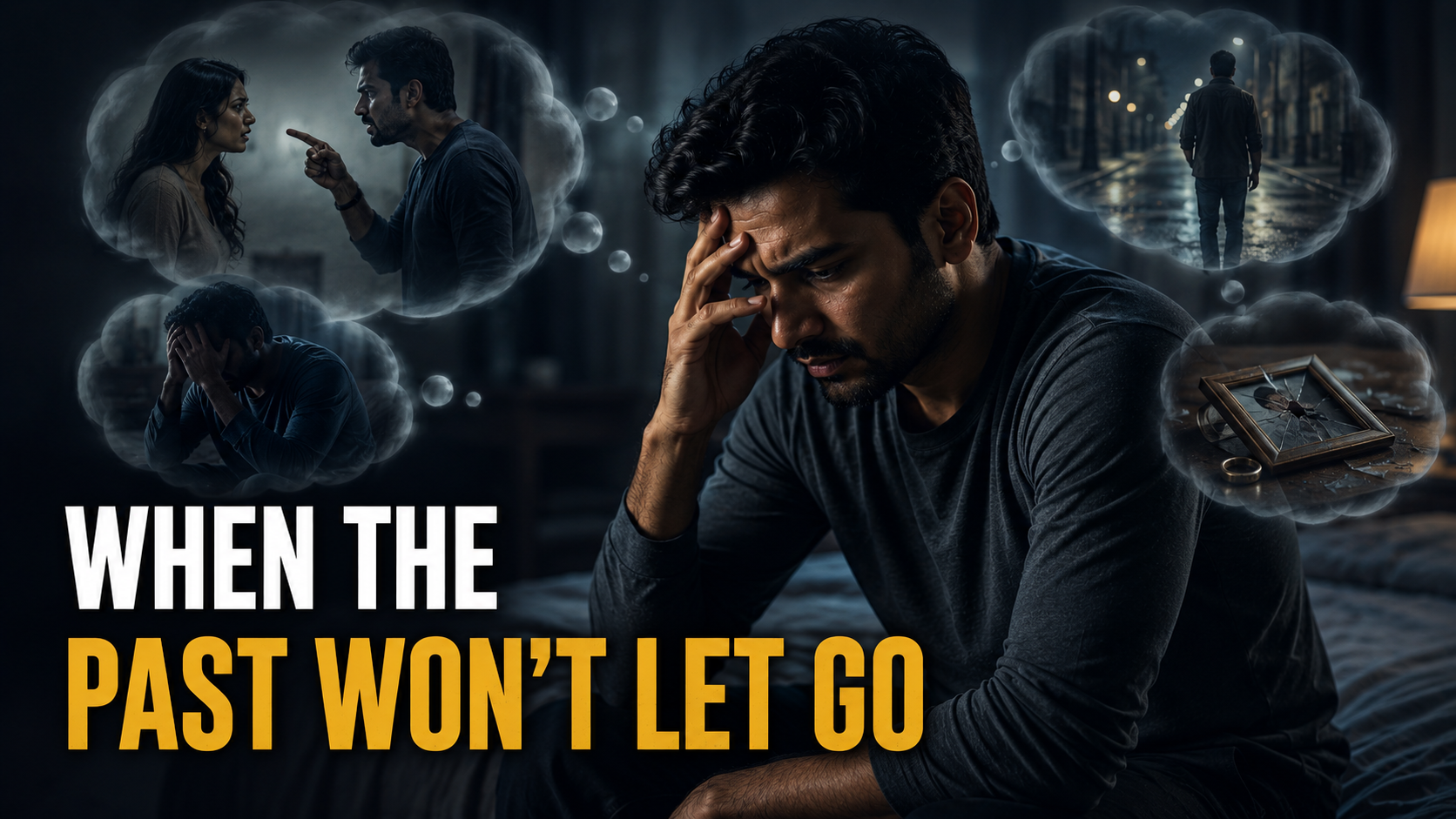
What Is a Post Traumatic Flashback?
A post traumatic flashback occurs when a person repeatedly experiences memories of a traumatic event. The memory may appear suddenly without warning. During a flashback, the emotions connected to the event can feel as strong as they were when the incident originally happened.
The triggering event may involve:
- Childhood trauma
- Emotional abuse
- Bullying
- Relationship betrayal
- Accidents
- Loss of a loved one
- Humiliating experiences
Even if the event happened many years ago, unresolved emotions can cause the memory to return again and again.
Common Signs of Post Traumatic Flashback
People experiencing flashbacks often report:
- Repeated unwanted memories of a past event
- Sudden emotional distress without a clear reason
- Feelings of fear, sadness, shame, or anger
- Difficulty concentrating on studies or work
- Increased anxiety throughout the day
- Avoidance of people, places, or situations connected to the event
- Emotional overwhelm when reminded of the past
Some individuals feel stuck between the past and present, making it difficult to enjoy current life experiences.
How Flashbacks Affect Mental Health
When a traumatic memory remains unresolved, the mind continues to revisit it. Over time, this can affect emotional stability and overall mental health.
A persistent post traumatic flashback may contribute to:
- Anxiety symptoms
- Chronic stress
- Irritability
- Reduced self-confidence
- Difficulty making decisions
- Emotional exhaustion
Many people spend significant mental energy trying to avoid these memories, which can further increase emotional strain.
Sleep Problems and Disturbing Dreams
Unresolved trauma often affects sleep. Some individuals experience recurring dreams related to the traumatic event. Others wake up suddenly feeling anxious or emotionally unsettled.
Poor sleep can lead to:
- Daytime fatigue
- Reduced productivity
- Difficulty focusing
- Increased emotional sensitivity
When sleep quality declines, managing everyday responsibilities becomes more challenging.
Why Professional Help Matters
A post traumatic flashback often indicates that the emotional impact of an event has not been fully processed. Professional psychological support can help identify unresolved emotions, understand the triggers, and develop healthier responses to traumatic memories.
Early intervention can prevent symptoms from becoming more severe and improve emotional well-being. Addressing the root cause allows individuals to reconnect with the present rather than remaining emotionally trapped in the past.
Moving Forward
The past cannot be changed, but its emotional influence can be reduced. If a specific memory continues to disturb your daily life, affects your sleep, or creates ongoing anxiety, seeking professional guidance is an important step.
Healing becomes possible when unresolved emotions receive the attention they need. As the emotional burden decreases, people often experience greater peace, improved focus, and a stronger connection to their present and future.