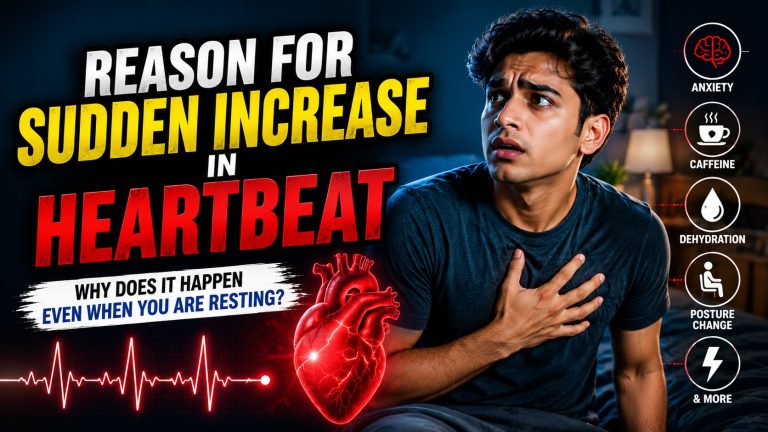
For people who have a fear of heart attacks, one of the most frightening experiences can be a sudden increase in heartbeat while sitting quietly. There may be no exercise, obvious stress or immediate danger, yet the heart suddenly seems to beat faster or harder. This often leads to the question: “Why is my heartbeat...
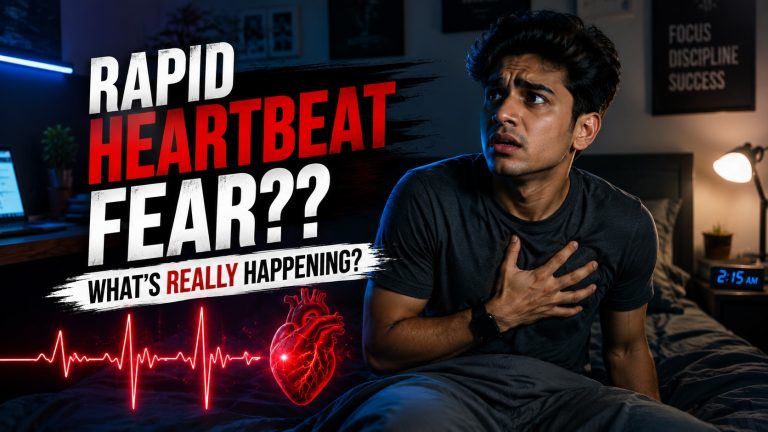
For many people with cardiophobia, the sudden awareness of a faster heartbeat can become a powerful trigger. A normal increase in heart rate may go unnoticed by someone without cardiophobia. However, a person who already fears a heart attack may immediately interpret the same sensation as a sign of danger. This is where heartbeat increasing...
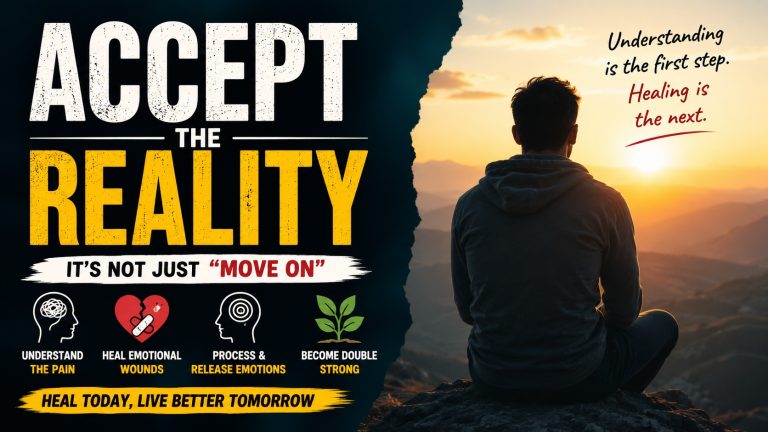
When someone repeatedly talks about a painful incident from the past, a common advice is, “You need to accept the reality. It has already happened, so stop thinking about it.” Although this advice may sound practical, it may not be helpful when the person is still emotionally affected by the experience. Acceptance Cannot Be Forced...
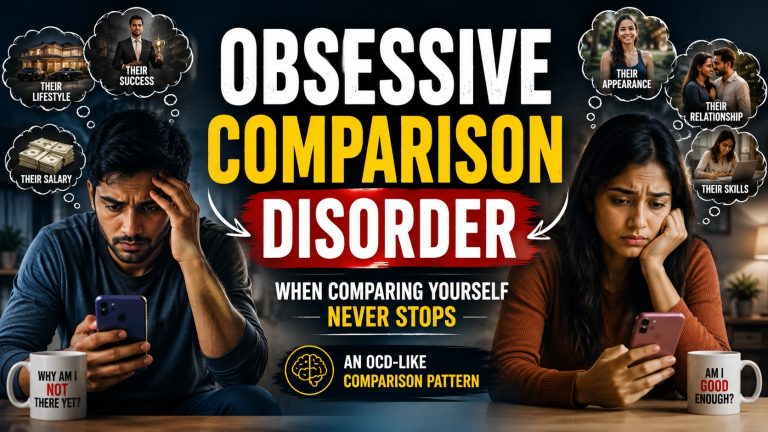
We naturally compare ourselves with others. Comparison can sometimes motivate us to improve, but for some people, it becomes a repetitive mental pattern that causes significant emotional distress. This pattern is sometimes described as Obsessive Comparison Disorder. Importantly, Obsessive Comparison Disorder is not an officially recognised psychiatric disorder in the DSM or ICD. It is...
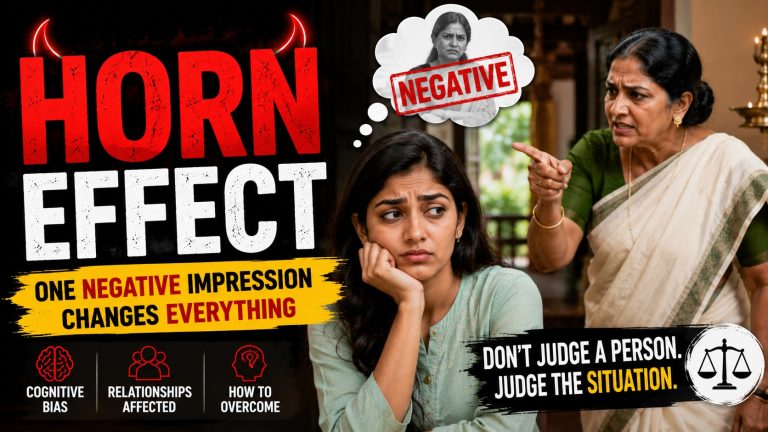
In our previous article, we discussed the Halo Effect, where one positive quality can make us view an entire person positively. The Horn Effect works almost in the opposite direction. The horn effect is a cognitive bias where one negative impression of a person starts influencing how we interpret their other behaviours. Once this negative...
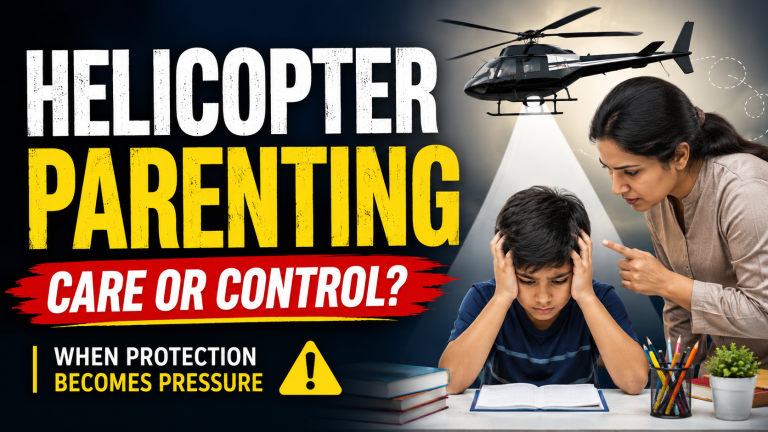
In many families, parents naturally want to protect their children from difficulties, failure and disappointment. However, when protection becomes excessive monitoring and control, it can turn into Helicopter parenting. This parenting style involves staying constantly involved in a child’s life and attempting to control almost every aspect of their activities and decisions. What Is Helicopter...
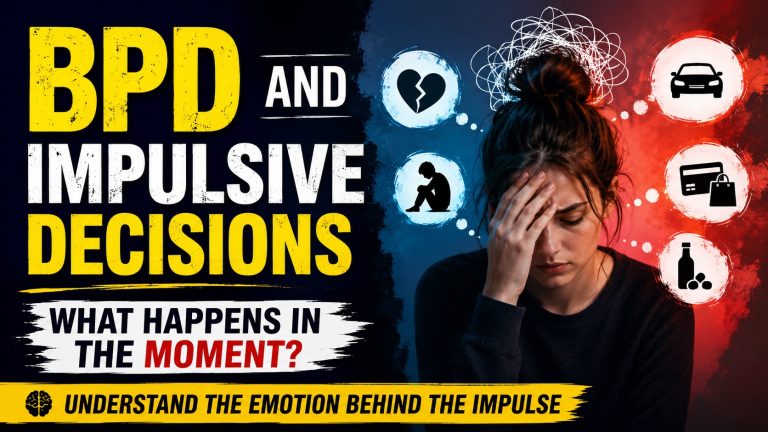
Impulsive decisions are one of the behaviours that can appear in Borderline Personality Disorder (BPD). A person may suddenly spend money, drive recklessly, use substances, engage in risky sexual behaviour, leave a relationship, or make another decision that they later regret. However, we should not assume that every impulsive action in BPD has the same...
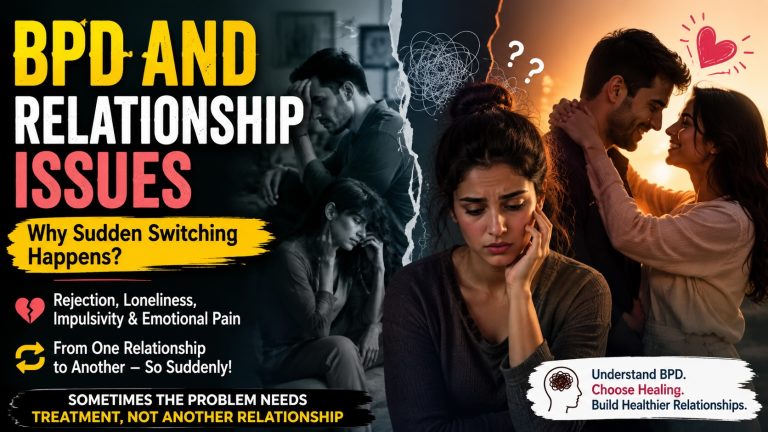
There are many discussions and comments online about whether a person with Borderline Personality Disorder (BPD) can suddenly leave one relationship and move into another. The answer is yes, it can happen, but relationship switching itself is not a separate diagnostic symptom of BPD. To understand this properly, we first need to understand how BPD...
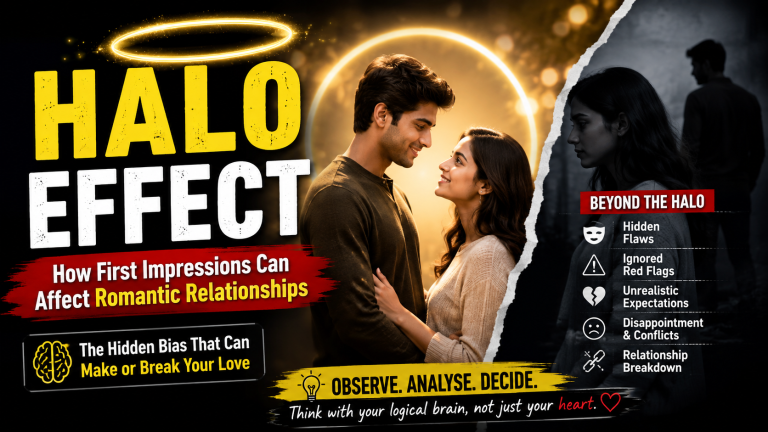
When we enter a romantic relationship, our first impression of a person can strongly influence how we see them later. One important cognitive bias behind this is the halo effect. The halo effect occurs when we notice one positive quality in a person and unconsciously assume that the person is positive in many other ways...